admin
admin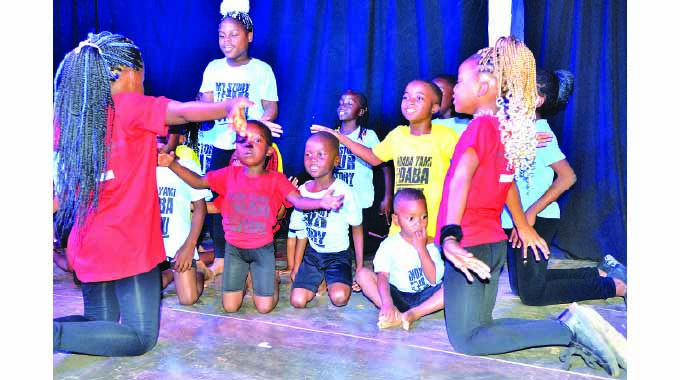
Youth Interactive Writer
On February 21, Zimbabweans joined the world in celebrating International Mother Language Day.
The day which is set aside to promote awareness of linguistic and cultural diversity and to promote multilingualism was declared by UNESCO in 1999 and has been observed throughout the world since February 21, 2000.
The declaration came up in tribute to the Language Movement observed by the Bangladeshis.
The aim of this day is to promote, preserve and commemorate all the languages that are spoken worldwide.
Mother Language Day for 2022 was implemented with the theme using technology for multilingual learning: challenges and opportunities, Shona version kushandisa ruzivo rwemidziyo yeumhizha mukudzidza nemitauro yakawanda: mikana nematambudziko, IsiNdebele version, ukusebenzisa ulwazi lwemitshina yakulezi insuku ukufundisa ngendimi ezinengi: amathuba lezihlupho, Nambya version, kushingisa bumhizha bwemichina yamazhuvano mukulayija induji inji: zunowanika nobukukutu.
In commemorating Mother Language Day CHIPAWO children played traditional games that were once play back in the day in Zimbabwe. With the use of different languages from some of the 16 official languages in Zimbabwe.
These were recorded and posted on YouTube.
“Languages are the most powerful instruments of preserving and developing our tangible and intangible heritage. All moves to promote the dissemination of mother tongues will serve not only to encourage linguistic diversity and multilingual education but also to develop fuller awareness of linguistic and cultural traditions throughout the world and to inspire solidarity based on understanding, tolerance and dialogue” – from the United Nations International Mother Language Day microsite.
This year’s theme focused on advancing multilingual learning through the use of technology taking into considerations the opportunities and challenges.
Technology came in handy during the Covid-19 era when children had to do online learning through television, community radios and on social media.
There was some adaptation to do, children and teachers had no access to the internet, materials and equipment for the betterment of learning.
It was a starting point for teachers as they had to devise ways to teach different languages from a distance and online.
Zimbabwe has 16 official languages but a few are recognised by its citizens which is something to be rectified, starting with education. “Celebrating this day means recognising all our languages, appreciating them and accepting them as a nation,” said CHIPAWO programmes assistant Rashiwe Chipurunyenye.
She added that mother language is important in a community.
“Mother tongue is the language that a child gets to hear after birth and helps give a definite shape to our feelings and thoughts. Learning in the mother tongue is also crucial for improving other critical thinking skills, second language learning, and literacy skills,” she explaained.
She added that the child’s first language is critical to his or her identity.
“Maintaining this language helps the child value his or her culture and heritage, which contributes to a positive self-concept.”



 Online Reporter