admin
admin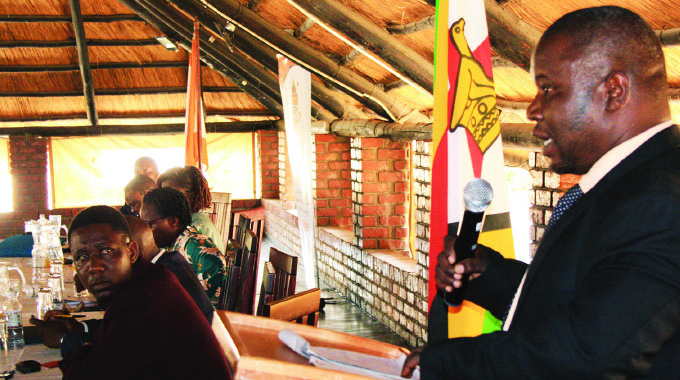
Herald Reporters
A multi-stakeholder forum has been established in Chitungwiza to address water shortages, Ms Nyaradzo Tagarira Director of the Ministry of Local Government and Public Work, has said.
The town has been grappling with water challenges since the decommissioning of the Prince Edward Water Treatment Plant in August due to the drying up of the Harava and Seke dams.
Addressing the indaba yesterday, Ms Tagarira stressed that Section 77(a) of the Constitution of Zimbabwe guarantees the right to safe, clean, and potable water.
“This fundamental right is important to people as it ensures their access to hygienic water for drinking, cooking and personal use, significantly reducing water-borne diseases like cholera and typhoid.
“Clean water enables citizens to maintain good health, dignity and well-being, boosting productivity and economic participation,” she said.
Ms Tagarira emphasised that the Government is obliged under Section 183 of the Act of 2019 (Chapter 29:15) to empower local authorities to maintain a supply of water both within and outside council areas.
“It also empowers councils to take any necessary steps to ensure the provision of water services and sanitation to people. This is why the Government has permitted for authorities to engage with investors who can support addressing this water crisis, which has been declared a disaster.
“We are aware that the water crisis is a serious problem worsened by the El Niño disaster that has affected the country and the decline of the water table. We are committed to engaging with other ministries on how to curb this water crisis,” she added.
Chitungwiza Municipality Engineer Talent Mashinga highlighted the water shortages, citing population density and vandalism among the causes.
“In Chitungwiza, we do not have enough water as a town, as we lack primary water sources. We have the highest population strain, with an estimated 411 000 residents (according to the 2022 census). This has placed immense pressure on our consumption. It’s not only the population, but also heavy industries that rely on the local authority.
“As a town, we receive only one to three mega litres of water, which is insufficient. I believe we are sitting on a time bomb, and as soon as the rains come, we are at risk of water-borne diseases,” he said.
Mr Mashinga suggested the drilling of boreholes, declaring a state of disaster for the crisis, engaging with the central Government, and tapping into underground aquifers as solutions.
“It is important for us to discuss with other stakeholders and come up with solutions to curb the water crisis. We promise to provide water to residents through water tankers, install solar-powered boreholes, and provide them with tablets to purify water,” he said.
He urged the Government to declare a state of emergency in Chitungwiza so that investors can assist with the situation urgently.
Mrs Shammah Mashayamombe said they needed to partner with ZINWA and the Upper Manyame Sub-Catchment Council to desilt existing dams to restore their design capacity.
“By collaborating on this initiative, we can enhance water storage, improve irrigation systems, and support local ecosystems. Community involvement will not only facilitate the desilting process, but also raise awareness about the importance of maintaining our water infrastructure. Together, we can promote environmental stewardship and secure a reliable water supply for both current and future generations,” she said.
Mr Phillip Ruzive said public awareness plays a crucial role in changing behaviours and attitudes toward water usage.
“By educating communities about the importance of conserving water and the impact of overconsumption, individuals can become more mindful of their daily habits,” he said.


 Online Reporter