


 Online Reporter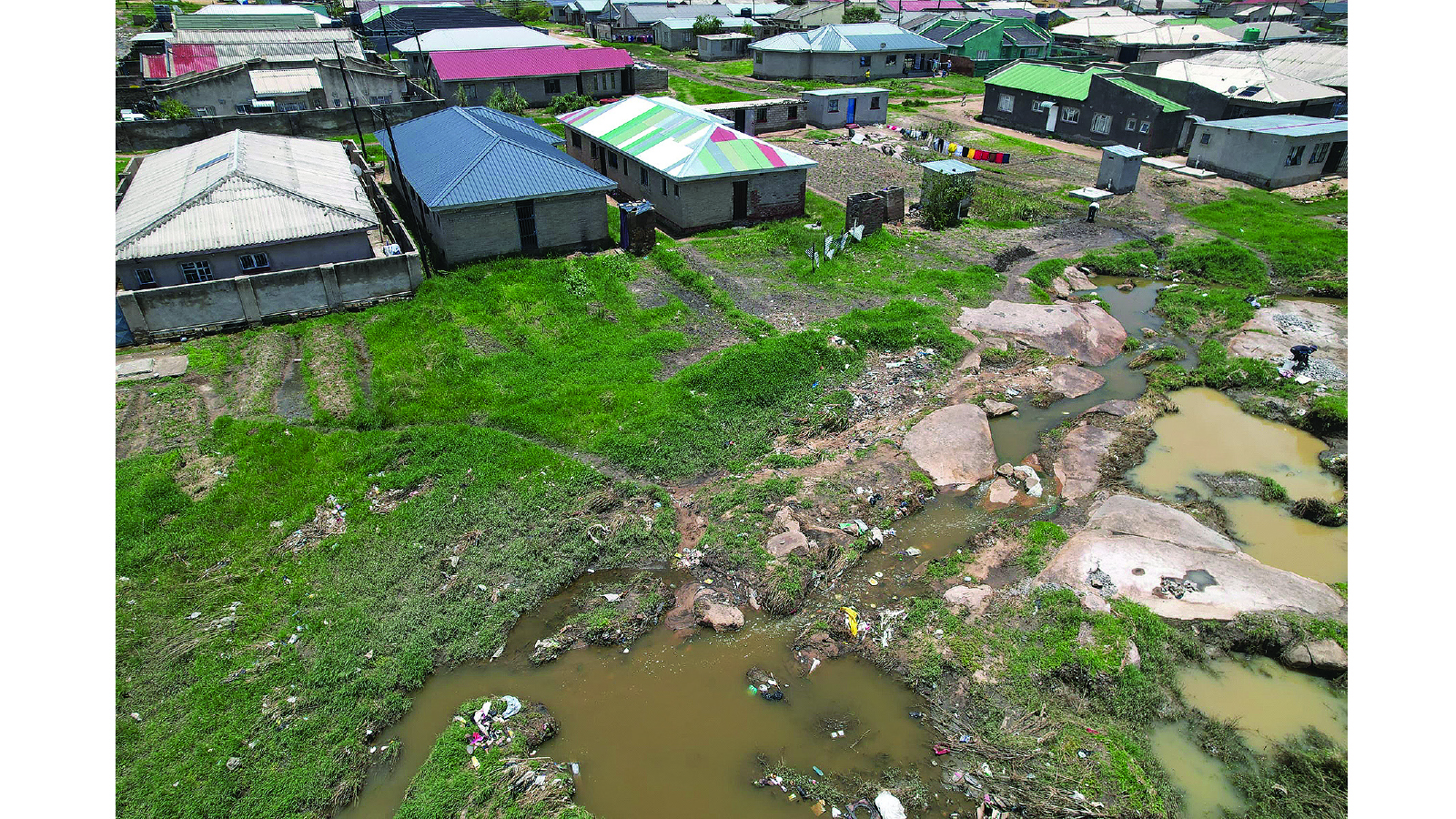
Trust Freddy
Check Point Desk
For most learners, the end of the school term brings relief from studies.
But 15-year-old Felix Masenda, from Unit M, Chitungwiza, is happy that schools closed for a different reason.
The journey to and from the college where he learns always fills him with trepidation, especially during the rainy season.
“I am always scared the rain will sweep me away,” he says.
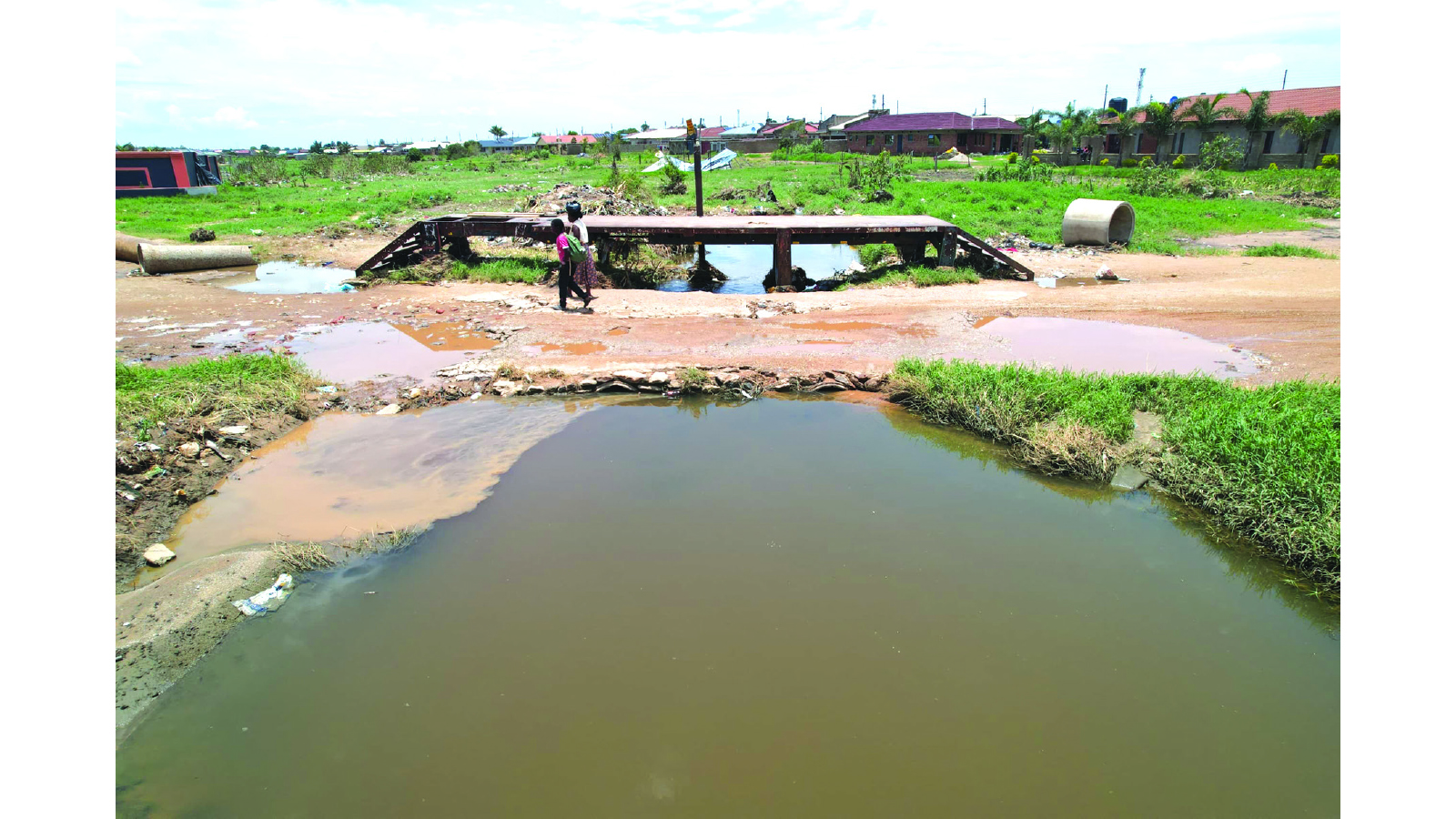
On his way to Riverbank College in Manyame Park (Murisi area), he always passes through Duri River, a deceptively small waterway that menacingly swells whenever it rains.
His daily commute, however, depends on a small, exposed footbridge — a fragile link that thousands of families now fear could one day give in.
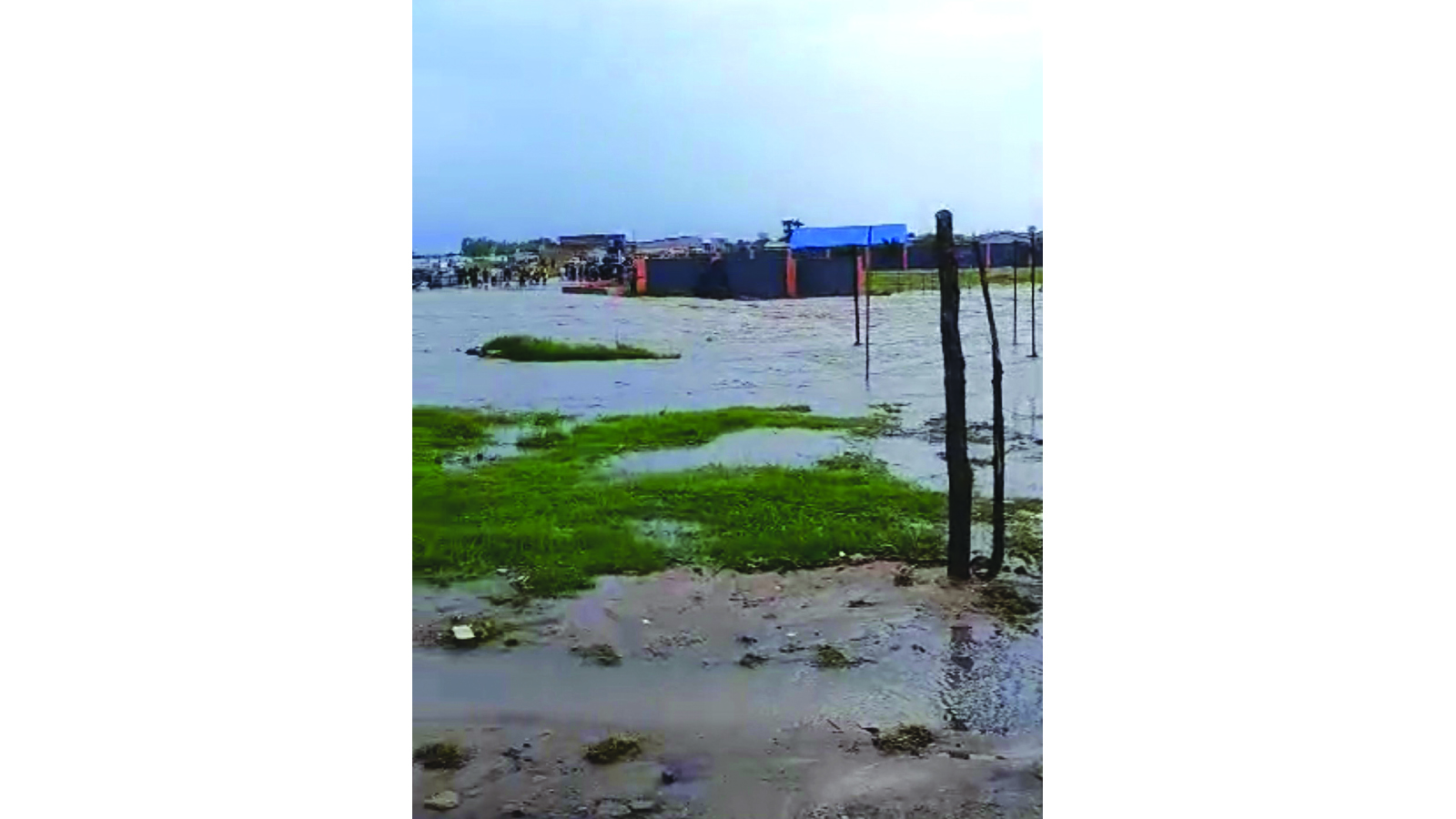
Incessant rains are often a nightmare in Chitungwiza, particularly in areas that do not have proper, well-maintained drainage systems.
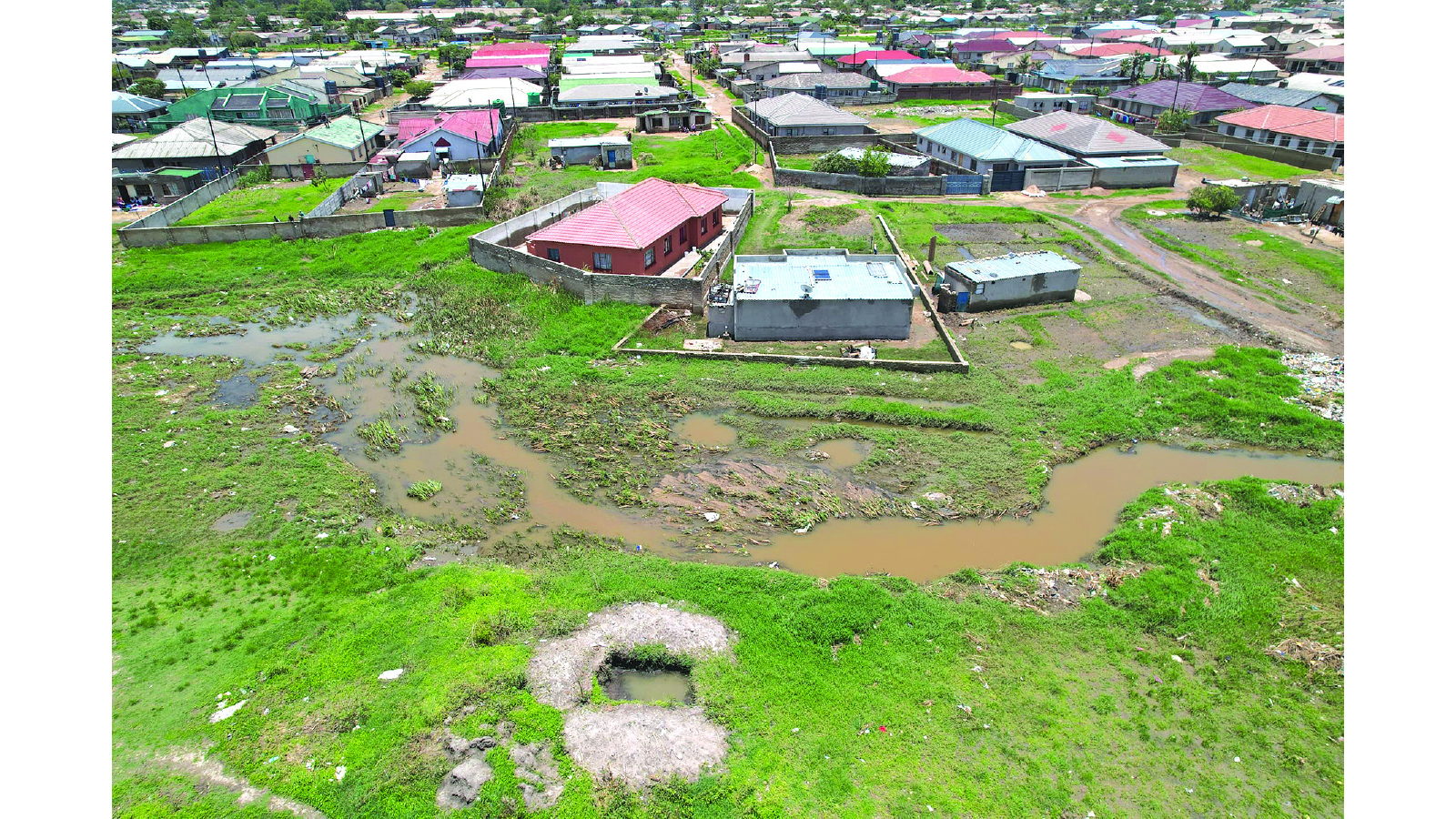
A snap survey conducted by Check Point across Chitungwiza and Manyame Park revealed a troubling pattern: Flash floods are becoming the norm.
This man-made crisis is worsened by the conversion of vital wetlands into residential areas, cutting off natural drainage routes to nearby tributaries.
When Duri River bursts its banks, the footbridge is the first casualty.
“Whenever it rains, we cannot go to school. Riverbank and B and P College are the closest schools.
“The footbridge gets swallowed by floodwater, leaving children stranded on the Chitungwiza side,” revealed Felix in a recent interview.
The impact of the flash floods extends far beyond the missed lessons.
Tinevimbonashe Chinembiri, a concerned resident, described the heartbreaking adjustments families are forced to make.
“Usually, in the morning, this bridge will be flooded, so children, instead of going at 7am, end up leaving home at 11am just to allow the river to recede a bit,” she said.
Whether learners are headed to Riverbank, B and P College, St Aidans or Seke 13, the flood decides their schedule.
Simbarashe Jaji from Unit M, also a learner at Riverbank, blames both local authorities and residents.
“If you look, there are piles of uncollected garbage. People are dumping here, and the river no longer has smooth passage. If it rains, there will be drama; this whole area will be flooded.”
B and P College director Bishop Bigboy Gawa said the institution was willing to contribute towards the construction of a proper bridge.
“We are the ones who have been maintaining this road. However, a bridge requires massive financing. We have already submitted our proposals to both Chitungwiza and Manyame local authorities.
“We have indicated that we can inject US$30 000 as a school, but it is not enough for the whole project,” said the principal.
Chimombe Simbarashe, a teacher at Riverbank College, shared similar concerns.
“We are facing a serious challenge because sometimes our learners fail to come to school as they are afraid they might be swept away.
“We believe the community must work together, and the Government should also chip in.
“The schools here and various organisations must collaborate, since this challenge is affecting all citizens — pedestrians and motorists alike,” added Simbarashe.
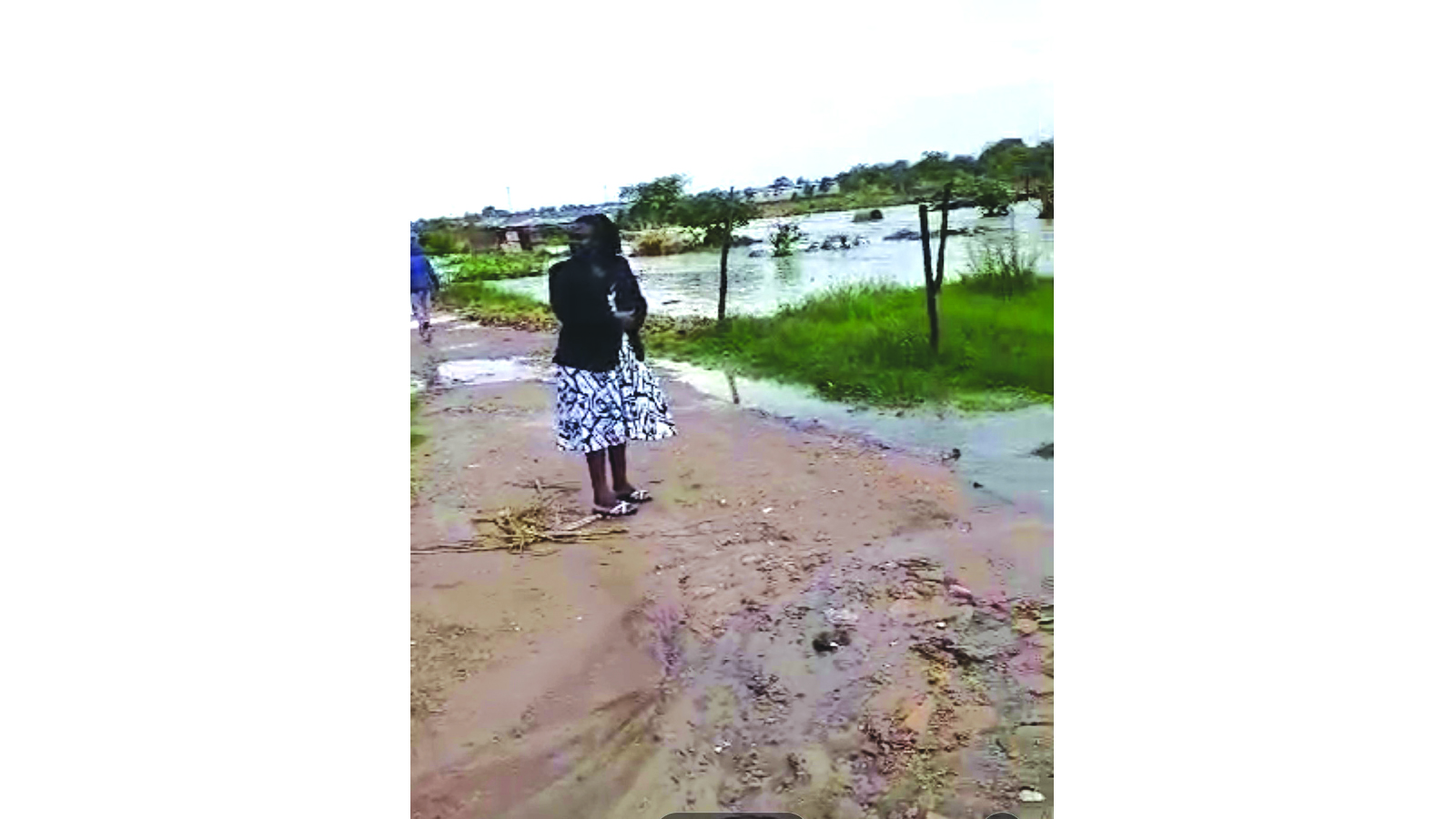
Videos have surfaced showing people risking their lives by attempting to cross the flooded river — some on foot and others in vehicles.
“Not everyone waits for the water to recede. Some try to cross even when it’s flooded. Our fear is that we may end up losing many precious lives.”
Property damage
It also emerged that several residential areas close to the riverbank — particularly in Chitungwiza Units M, N and K — recently experienced flash floods, resulting in property damage and electricity outages.
It gets worse, as raw sewage from burst pipes or blocked systems is now finding its way into people’s homes through the floods.
“Since last week, we have had no electricity. The heavy rains caused some electricity poles to fall, and we are in darkness,” said Gladmore Gavaza.
“The challenge is that we have a poor drainage system and water ends up finding its way into our homes, soaking our properties. But we have no option.”
Chitungwiza Town Council spokesperson Tafadzwa Kachiko said the local authority was aware of the challenges, noting that efforts were presently underway to clear blocked drains.
“Our drainages were in good shape, but some residents have a tendency of illegally dumping waste in open spaces. The recent rains caused that waste to flow into our drainage system and block everything,” he said.
“We only have a few areas that are affected, but the team is working flat out to clear the drainage system.
“However, another challenge is that we do not have enough manpower, but I am glad that we were recently given the green light to recruit more workers by the Government.”
He also acknowledged that some areas were experiencing flooding, blaming land barons for allocating stands on wetlands.
“Yes, you will find areas like Unit A and Unit L that have experienced flash floods mainly due to houses constructed on waterways. These are new stands that were built illegally. However, as of this year, we have not received any reports of flooding in areas that previously experienced flash floods because we addressed the issue.”
Efforts to obtain a comment from Manyame Rural Development Council chief executive officer Farirai Guta were unsuccessful.
Meanwhile, the Department of Civil Protection, together with Chitungwiza Municipality, conducted a rapid assessment following the flooding that occurred on November 25, 2025.
From the assessment, the authorities warned that if the rains persist, the Chitungwiza community faces a high risk of waterborne diseases such as cholera and dysentery, as well as potential destruction of property.
“Unit L Extension is the worst affected; the road crossing the culvert is blocked with debris consisting of branches, leaves, plastic pampers and human waste from blocked toilets,” said Civil Protection Unit chief director Nathan Nkomo.
He emphasised the need to unclog stormwater drains, map flood-prone areas, deblock culverts and enforce development controls, as well as increase community education and awareness.
In some of the new residential stands experiencing flash floods, residents rely on wells for water.
However, raw floodwater is now seeping into those wells, raising serious health concerns.
“Yes, you will find areas like Unit A and Unit L that have experienced flash floods mainly due to houses constructed on waterways. These are new stands that were built illegally. However, as of this year, we have not received any reports of flooding in areas that previously experienced flash floods because we addressed the issue.” — Tafadzwa Kachiko



