

 Online Reporter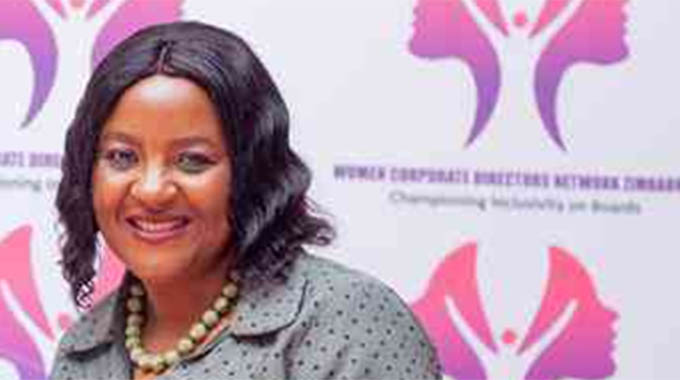
Patience Maturure-Agriculture Reporter
Christian Aid is partnering with local organisations to build resilience against climate change and promote inclusive solutions tailored for the specific needs and experiences of diverse communities.
Through its Strengthening Civil Society Partnership Programme, now in its third year, Christian Aid is collaborating with local partners to tackle urgent issues such as climate adaptation, resilience building and gender-based violence.
Addressing delegates at a conference on Intersectionality in Climate Change, Adaptation and Resilience Harare today, Ministry of Women Affairs, Small and Medium Enterprises Development chief director gender and women affairs, Mrs Lilian Matsika-Takaendesa, said the
Ministry was dedicated to ensuring the country’s climate response was inclusive and taking into account the realities faced by women, men, boys and girls.
“Climate change is no longer a distant threat; it is a daily reality for Zimbabwean communities. Its impacts are not felt equally; they are shaped by factors such as gender, location, socio-economic status, age, disability and other intersecting identities,” she said.
Mrs Takaendesa highlighted the importance of recognising effective and inclusive climate change responses to understand how different social identities intersect and affect individuals’ vulnerabilities.
“Intersectionality allows us to see how social identities overlap to shape people’s vulnerabilities and capacities. In Zimbabwe, women and girls; especially those in rural, drought-prone and resource-scarce areas face multiple and overlapping challenges,” she said.
These challenges include a disproportionate burden of unpaid care work, long walks for water and firewood and other gender-based responsibilities which are exacerbated by intersecting challenges of poverty, disability and displacement.
Christian Aid country director, Mrs Aulline Chapisa, said the organisation was a humanitarian and development agency founded after World War II, celebrating 80 years of impact, partnership and solidarity.
“With a presence in almost every province in Zimbabwe, the organisation works with faith-based and non-faith-based partners to address pressing issues such as climate justice, resilience building and adaptation.
“So as we embark on this journey together, let us remain committed to promoting feminist, intersectional and gender transformative approaches to climate action.
“Climate change affects us all, with women and marginalised communities bearing the brunt of its impacts,” said Mrs Chapisa.


 Peter Tanyanyiwa