News Hub Reporter
Churches have been challenged to strengthen the culture of compassion by teaching children the importance of giving to the less privileged from an early age, as Christian Care Matabeleland Region renewed its commitment to community service during its annual general meeting held in Bulawayo on Saturday.
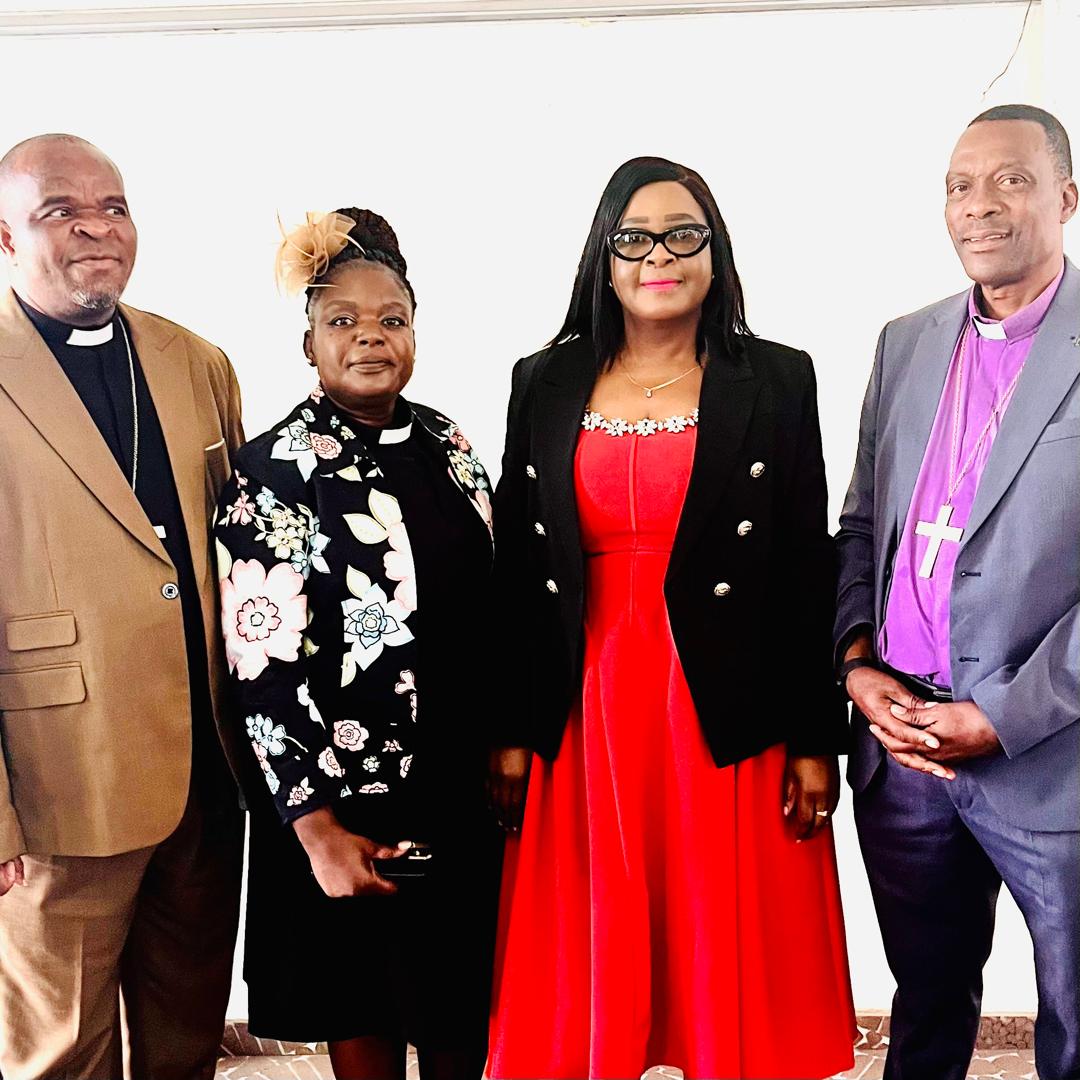
Speaking as the guest of Honour, Magolide Foundation founder Mrs Sazini Tshuma said Christian Care’s work was built on the enduring values of Ubuntu and collective responsibility, urging churches to intentionally nurture a generation that values generosity and service.
“Christian Care was founded on good values of Ubuntu and everyone has a role to play to ensure that people look after each other. I grew up in St Peter’s in Bulawayo where the community was united, and that inspired me to start a community organisation to keep that spirit alive by assisting the less privileged,” she said.

Mrs Tshuma encouraged pastors to incorporate teachings on giving into their ministries, particularly targeting young people.
“If people learn to give from a young age, they will grow up knowing that a neighbour cannot go to bed hungry while they are there,” she said.
Bishop Dr Michael Dube, the Presiding Bishop of the Evangelical Lutheran Church in Zimbabwe, called on member churches to breathe new life into the organisation and expand its footprint across the region.
“Let’s revive the fire in Christian Care. If we don’t have fire within us, the organisation will die. I urge the board to work with all member churches and develop programmes that respond to local needs,” said Bishop Dube
He noted that Christian Care had a proud history of serving vulnerable communities before Zimbabwe attained independence and challenged the organisation to become more visible in Matabeleland North and Matabeleland South.
“As Bishops, we are always available to support the board. We want to see Christian Care becoming more visible throughout the region and not be localised to Bulawayo,” said Bishop Dube.
African Methodist Episcopal Church President of Presiding Elders, Rev Eustice Ginya, said the organisation’s name reflected its divine calling to care for people in need.
“Christian Care is a service organisation of the Zimbabwe Council of Churches. Its mandate is simply to care for people. Even during the liberation struggle, Christian Care provided food and clothing to families whose breadwinners had joined the liberation war. The organisation is doing well, but we must continue reminding communities about its important work,” he said.
Christian Care national vice-chairman Mr Decent Ngwenya acknowledged that dwindling donor funding had affected the organisation’s operations and appealed to member churches to support its work by paying subscriptions while alternative funding models were being explored.
“Our desire as the national board is to implement programmes that benefit communities across all provinces. Our last major project in the Matabeleland Region was in Matobo District where boreholes were drilled to establish nutrition gardens. When funding becomes available, the next project will move to another area so that all provinces benefit. But as reported by the regional chairman, we have not been idle, work has been done to assist school children with textbooks and inmates in prisons with toiletries and other items,” he said.
The guest speaker Mrs Tshuma, is the founder of Magolide Foundation which has become a recognised community-based charity in Bulawayo, supporting vulnerable families through food assistance, educational support, youth empowerment initiatives and community welfare programmes.
On the other hand, Christian Care Zimbabwe is the development and humanitarian arm of the Zimbabwe Council of Churches (ZCC).
Established in 1967, the organisation has for decades worked with churches, communities, government and development partners to improve the livelihoods of vulnerable people through humanitarian relief, food security, climate resilience, water and sanitation, livelihoods development, peacebuilding, disaster response, governance and social justice programmes.