Online Reporter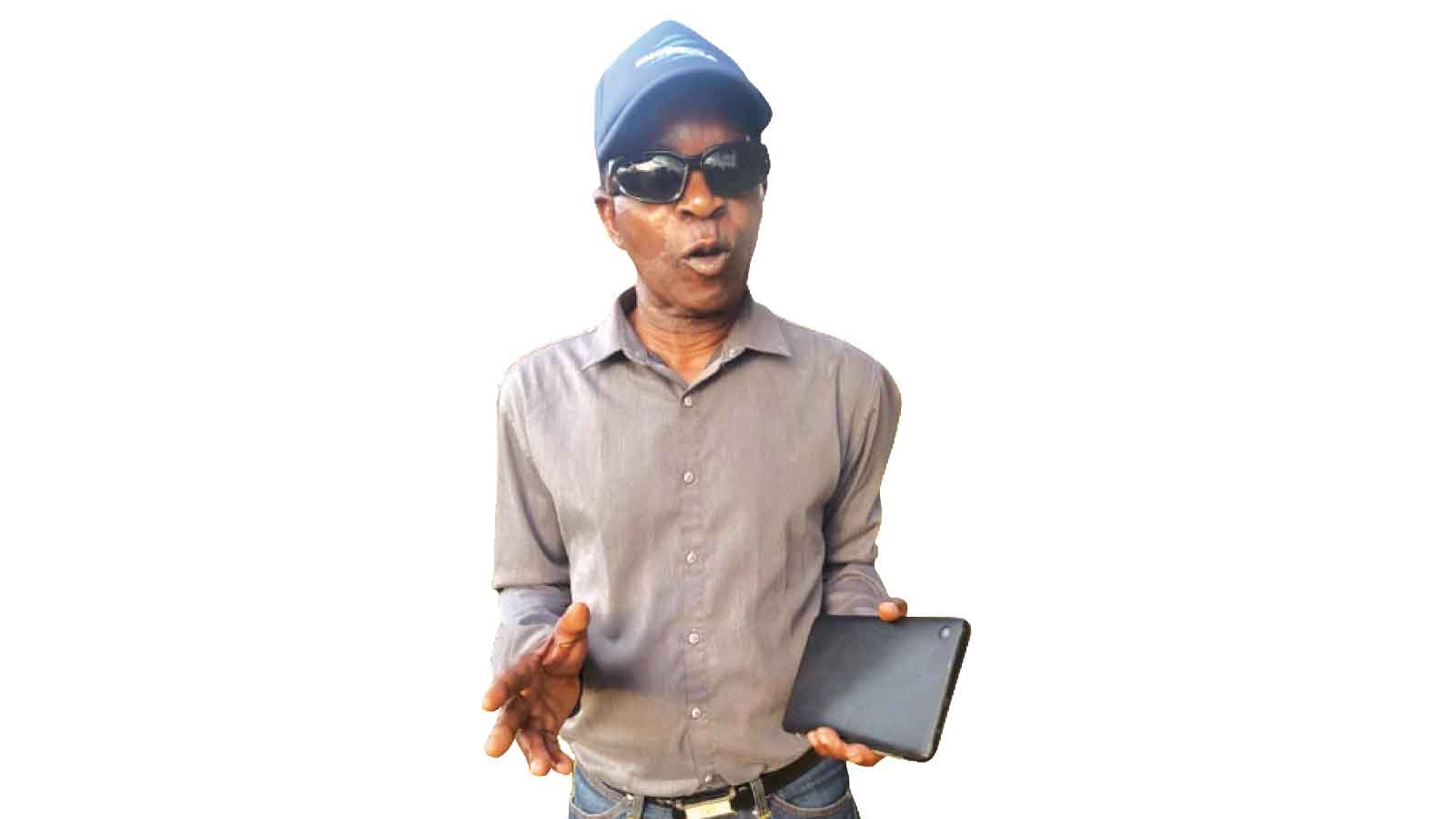
In the first instalment of his wartime experiences, CDE SIMON MTETWA, who used the Chimurenga name Same Order Maguerilla, recounted how a chance encounter with Mozambican FRELIMO fighters led him to abandon school and join the liberation struggle. This week, he continues by sharing with our Society Editor PRINCE MUSHAWEVATO his journey to Mozambique, the rigours of military training and his eventual deployment back to Zimbabwe.
***************
Q: Our previous discussion ended with you highlighting some of the challenges you faced after crossing into Mozambique for military training. Can you pick it up from there?
A: Fine. But let me take you back a bit. The training phase provided a different set of challenges altogether. Every fighter who crossed the border into Mozambique to receive military training can tell you that the journey was not easy. The trip itself was a screening process; there were some people who abandoned the mission before even reaching the camps in Mozambique. We travelled mainly on foot with limited food and water supplies — and sometimes with nothing at all.
The journey involved long marches through intimidating forests that were home to all sorts of wild animals. This alone was a test that some failed, opting to abandon the mission and return to Zimbabwe. I crossed into Mozambique through a point called Chikwekwete before proceeding to Espungabera. From there, I went to Machaze, a district located in the Manica province of central-western Mozambique. We later proceeded to Chibawawa, arriving around December and celebrated Christmas there.
Q: How long did you stay in Chibawawa?
A: We stayed there until June 1976, when I joined a group travelling to the Tembwe training base. I trained at Base 2, where our leaders included Cde John Walker, Cde Ronnie and Cde Edwin Munyaradzi, who was the base commander. Cde Chapiwa Musande was in the commissariat, while Cde Ndoda was in charge of logistics.
Q: Can you briefly tell us about the training routines and the kind of weapons you specialised in?
A: I specialised in the AK-47 and the M60. However, I could basically use any weapon — that is how thoroughly we were trained. The training was not for the faint-hearted; it was rigorous because the objective was to create effective fighters. Some of our colleagues could not last the distance. The routines required one to be both mentally and physically fit. The training drills were designed to create fighters who could survive on the battlefield.
The enforcement of discipline was also paramount during training; it was the only way we were going to win the war. There is no way you can win a battle when you lose fighters easily due to a lack of discipline. Those who were undisciplined during the struggle perished. We completed our training in December 1976 before we were deployed to Gaza province, Sector 2.
Q: What happened after your deployment?
A: Before going to Gaza, we passed through a place called Imbizo, where we received our arms. Following that, we were transported to Mapai. We then crossed back into Zimbabwe on foot via the Mwenezi River in Gonarezhou to join Sector 2 in Gaza province. Our operational area covered Chibi (now Chivi), Shabanie and Shurugwi. Our detachment was known as China-Berejena-Namibia, and we worked with the likes of Cde Kasirai (who was also known as Fastmove), Cde Mathsrimwe, Cde Rovamushe and Cde Shingirirai. These were our commanders.
We operated in that region for some time, covering the entire area from Chivi to Shurugwi. However, we often had to travel all the way back to Mozambique to replenish our weapons, and we encountered numerous obstacles during these routine trips. In fact, some comrades refused to go on these missions because walking from Chivi to Mozambique was an incredibly long distance. The journey required immense willpower, yet we could not avoid it since we periodically needed to boost our ammunition. At one point in 1978, we lost a comrade while crossing the Save River after being ambushed by Rhodesian forces. The comrade was captured by the white soldiers and later killed.
Q: Did that not frighten you, since it was probably one of your first encounters with the enemy on the front line?
A: We were all traumatised. We frequently encountered the enemy during those logistics trips, but losing a comrade in such a gruesome manner made us truly realise how cruel the war could be. However, our commanders rallied us to soldier on. In some instances, we walked into ambushes because there were a few rotten elements among us selling us out to the enemy. The issue of sellouts did not start today; we faced the same problem during the liberation struggle. This reminds me of an incident in Chivi.
We had gone for a pungwe (night vigil), and after the event, I found a familiar place at a local homestead to rest for the morning. Not long after I fell asleep, I heard the matriarch of the homestead calling out, “John, go and drive the cattle out of the field!” I knew my name was not John, and there was no one by that name at that homestead. Automatically, I realised she was signalling that there was trouble outside and had decided to call me John in that moment to conceal my identity.
I quickly hid my gun in the room and dashed outside. I immediately bumped into enemy soldiers who were moving into the homestead. Keeping my composure, I casually ran right past them, charging towards the field where the cattle were.
Q: Did the Rhodesian soldiers not stop you?
A: No. I was fortunate that there were indeed cattle in the field, which the soldiers noticed. The woman told them that I was their herdboy, and they bought the story. This was one of the many ways we survived during the war, by working hand in hand with the masses. The woman knew that if the white soldiers had walked into that room, searched it and found me, that would have been my end.
Fortunately, they did not search the main house. The lady had swept her yard and removed the footprints that would have given away the activity from the pungwe. They simply asked a few questions and left. But visits like those were almost always the result of tip-offs from rotten elements in our own midst.
Next week, Cde Mtetwa continues his account by detailing how their deployment and a shift in combat tactics on the battlefield gave them the upper hand against the Rhodesians.