Online Reporter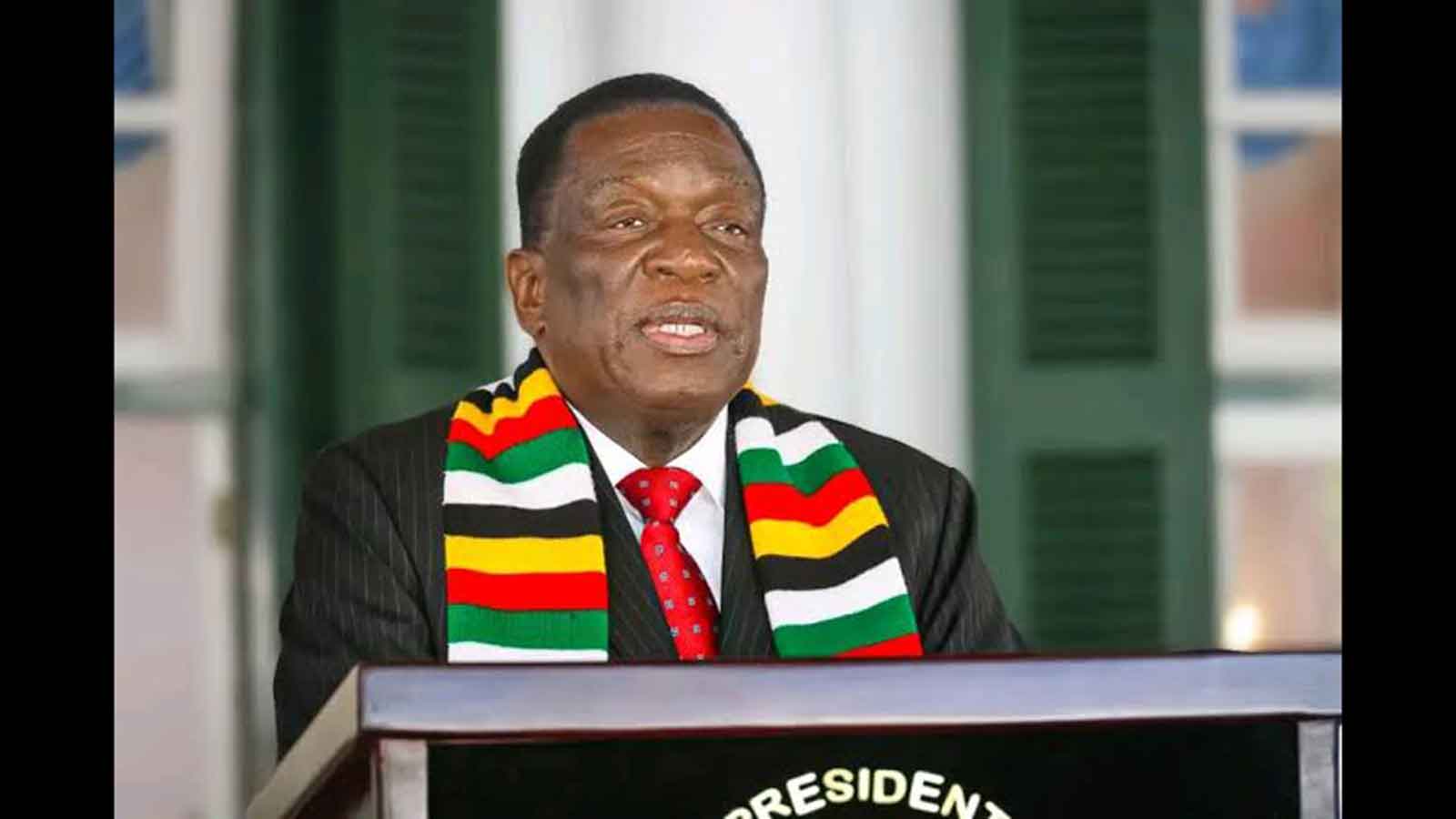
Herald Reporter
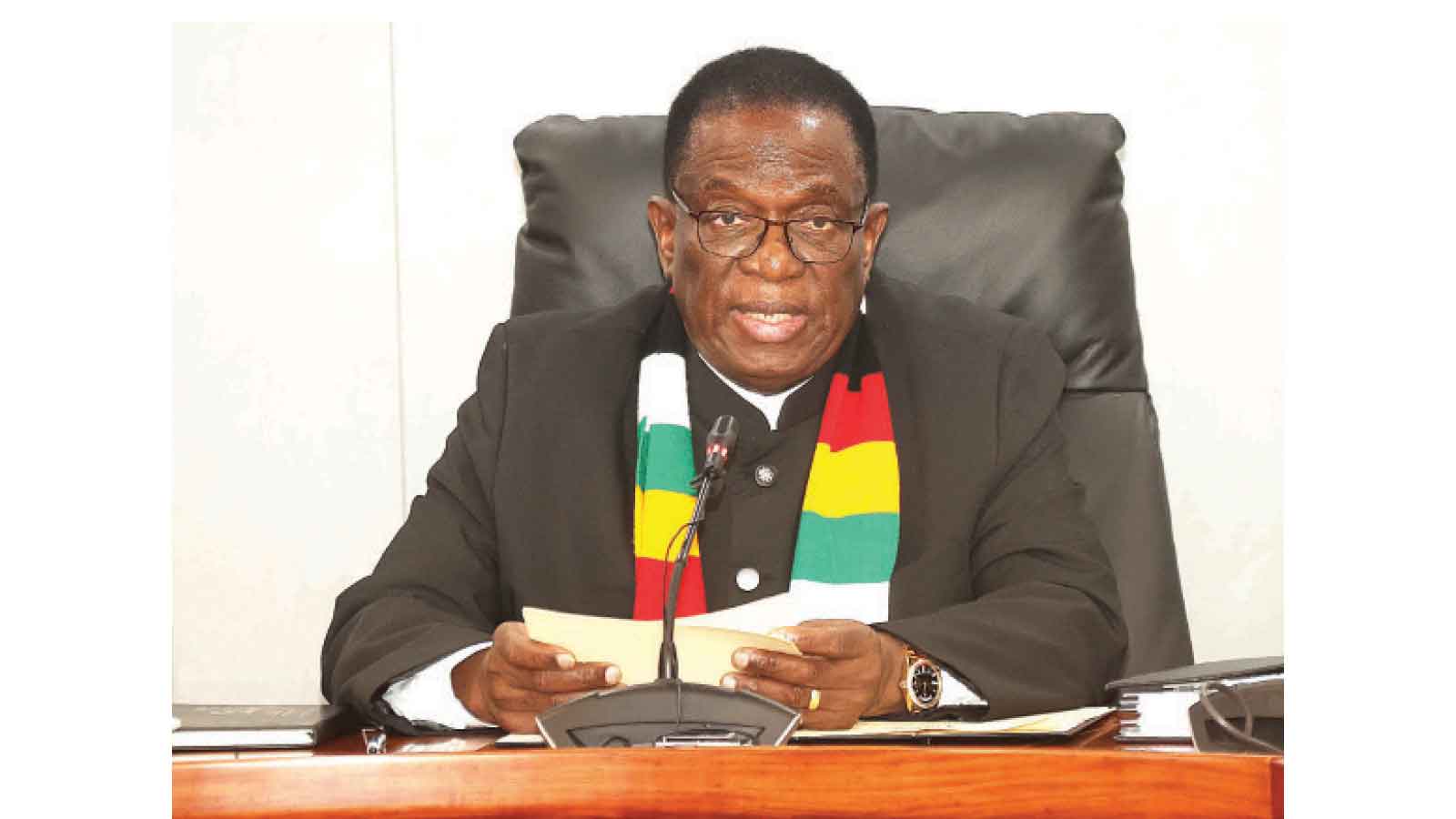
THE Church has hailed President Mnangagwa for creating an environment conducive to freedom of worship, entrepreneurship and community participation, saying the Second Republic has opened new opportunities for faith-based organisations to contribute to national development and the attainment of Vision 2030.
As Zimbabwe marks President Mnangagwa’s 84th birthday today, which coincides with the inaugural official observance of Munhumutapa Day as a public holiday, Bishop Dr Master Coach Aderino Nyabanga said the Church was grateful for the peace, religious freedom and development opportunities prevailing in the country.
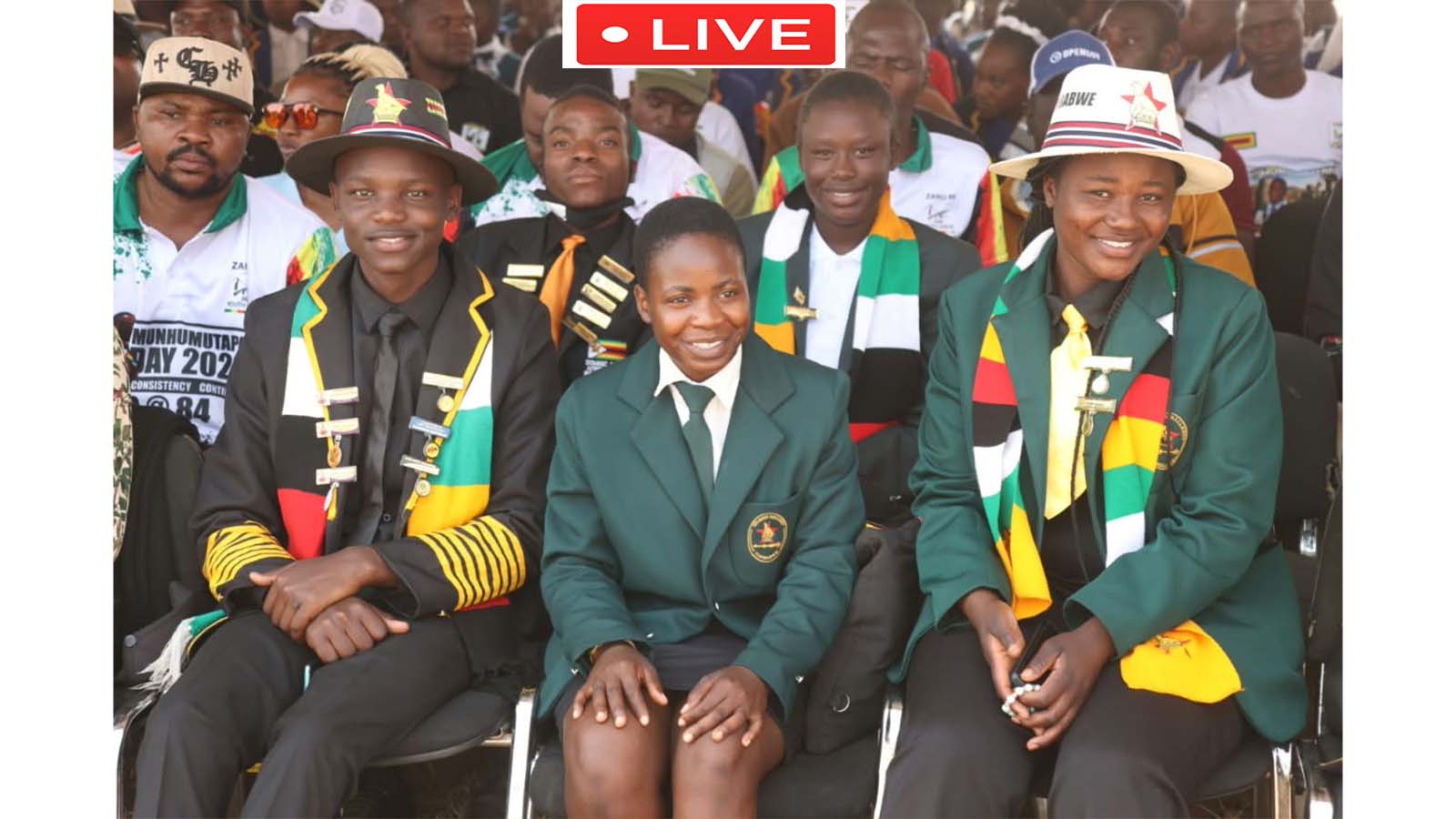
Munhumutapa Day was established through Statutory Instrument 148 of 2026, declaring September 15 an annual public holiday in honour of Zimbabwe’s pre-colonial heritage, with the day coinciding with the President’s birthday. This year’s national commemorations are being held in Mvurwi, Mashonaland Central Province.
Bishop Nyabanga, who leads Daybreak International Ministries and founded God’s Generals International Fraternity, Legacy Builders Global Hub and Daybreak Bible Institute, said the Church should not limit itself to preaching but should actively participate in economic empowerment, leadership development and community transformation.
“On this special day, we thank God for the life of His Excellency President Mnangagwa and for the leadership he has provided to Zimbabwe. We also appreciate the space that has been created for the Church to worship freely, serve communities and participate in the development of our nation,” said Bishop Nyabanga.
“We celebrate Munhumutapa Day as an opportunity to reflect on who we are as Zimbabweans, where we have come from and where we are going. Our history must inspire us to build a prosperous, united and confident nation that takes pride in its identity while embracing innovation, investment and development.”
His comments come against the background of growing calls for churches to complement Government programmes through education, entrepreneurship, social welfare and moral leadership.
Bishop Nyabanga said the Church has an important role to play in supporting the country’s development agenda, particularly Vision 2030, through raising ethical leaders and equipping citizens with practical skills. At a leadership seminar organised by Daybreak Bible Institute earlier this year, he said churches should produce leaders capable of contributing positively to families, communities and national development.
The cleric has also used his various platforms to promote entrepreneurship and wealth creation.
Through Legacy Builders Global Hub, he has hosted business and leadership programmes aimed at encouraging Zimbabweans to move from job seeking to enterprise development, while recent programmes have focused on transforming rural resources into productive businesses and building generational wealth.
Bishop Nyabanga said such initiatives demonstrated that the Church could make a practical contribution to the economy by creating employment, developing skills and encouraging productive investment.
“Churches are not only places of worship. They are communities of people with skills, businesses, professions and resources. When we empower our congregants to become entrepreneurs, create employment and participate in productive sectors, the Church becomes part of the economic development ecosystem,” he said.
“We therefore see Vision 2030 not simply as a Government programme, but as a national aspiration which requires every Zimbabwean to play a role. The Church must raise responsible citizens, entrepreneurs, professionals and leaders who are prepared to work for the prosperity of Zimbabwe.”
His church’s programmes have increasingly combined spiritual development with leadership, entrepreneurship and social empowerment.
Daybreak Bible Institute, established in 2020, has trained hundreds of ministers, while its leadership programmes have attracted participants from Zimbabwe and other African countries. The institution has also sought partnerships to expand access to Bibles, theological literature and educational resources, particularly for ministers serving rural, farming and mining communities.
The cleric has also been involved in charity and community initiatives through Daybreak International Charity Foundation, while his ministry has spoken out on social challenges including drug and substance abuse.
Bishop Nyabanga has previously urged churches to play a greater role in fighting drug abuse, arguing that faith-based organisations have an important responsibility in protecting young people and restoring communities.
He said the Church’s contribution to national development should therefore extend beyond the pulpit.
“As the Church, we must be patriotic citizens. We must pray for our nation, but prayer must be accompanied by action. We must teach our people to work, to create businesses, to acquire skills, to respect one another and to protect the resources of our country,” he said.
He said the declaration of Munhumutapa Day offered Zimbabwe an opportunity to reconnect with its history while looking towards the future.
“The Munhumutapa civilisation reminds us that Africans had systems of governance, commerce, leadership and civilisation long before colonialism. We must teach our young people to value their heritage and, at the same time, equip them with the knowledge and skills required to compete in the modern global economy,” said Bishop Nyabanga.
The third Munhumutapa Day commemorations are being held in Mvurwi, with more than 100 000 people expected to attend, according to recent reports. The event follows previous commemorations held in Masvingo in 2024 and Zvishavane in 2025.