Chronicle Editor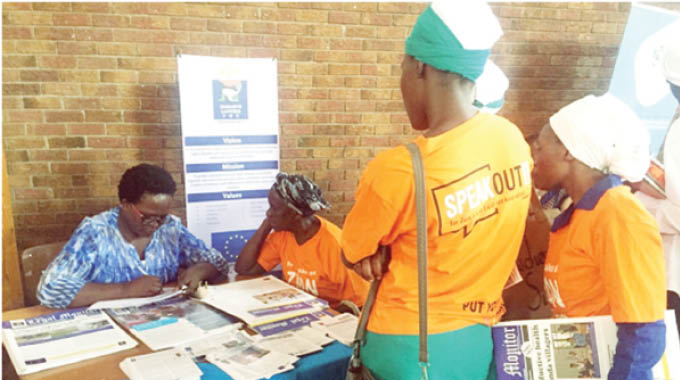
Lungelo Ndhlovu, Feature
SEXUAL violence against women is a public health concern across the world, according to the World Health Organisation (WHO).
WHO specifies gender-based violence (GBV) as any harmful act, including physical, sexual or emotional perpetrated against a person’s will and has a negative impact on the physical or psychological health of the person.
Men and boys may be victims of GBV, especially sexual violence, but globally the majority of victims are women.
In Zimbabwe, GBV is seen particularly in acts of domestic violence where rights are violated because of physiological make-up and gender roles. Spousal abuse, involving consenting to sex between partners is the most common form of sexual and gender-based violence (SGBV), and as a result of the patriarchal nature of Zimbabwean societies, women are affected more by SGBV than men, gender experts say.
Emthonjeni Women’s Forum Director, Ms Sikhathele Mathambo told Chronicle in an interview that there is an urgent need to increase SGBV awareness in Zimbabwe, especially in churches to empower women to speak out on the abuses happening in their denominations.
“In targeting the church, we’re also talking to the church leaders, to say they have a role to play in the reduction of sexual-gender-based violence. We are also saying they can assist in the reduction of SGBV through the scriptures that they preach.
“Let’s look at how they interpret the scriptures, if they’re saying women should submit to their husbands, what is the Bible saying, how do the religious leaders interpret submission?” she said.
The organisation recently held a women and girls symposium which was attended by women from different churches together with various service providers including Musasa, Childline, Ministry of Women Affairs, Ministry of Youth, Zimbabwe Lawyers for Human Rights (ZLHR), Zimbabwe Republic Police (ZRP), Social Welfare Department, Plan International, JF Kapnek, Legal Resources Foundation and TROCAIRE, at a local church in Bulawayo.
Participants at the symposium said SGBV was rife in churches which saw leaders ‘spiritualising’ SGBV instead of taking stern measures against the scourge.
“There’re instances where cases reported to the church are quickly swept under the carpet with the victim being warned that reporting to the police would affect the church. This has resulted in a number of women suffering in silence because the perpetrator is an elder or close to the church leader. As churches, this is worsening the plight of women who make up most of the congregation. The church should get involved in addressing SGBV, not hiding it,” said one church member.
Another participant revealed that some church leaders and prophets were hiding behind religion to sexually abuse women.
“We’re tired of pastors, prophets, and churches that spiritualise every problem and this has given rise to perpetrators hiding behind religion. We’ve seen women approaching pastors seeking assistance after being abused, but they’re told to ‘pray about it as it is a result of evil spirits’ and the violence continues unabated,” said a woman who identified herself as MaNcube.
Responding to contributions by participants, Ms Mathambo said her organisation was aware of this problem within churches and their SASA Faith program was targeting church leaders to address it.
“We’re also looking at interrogating verses in the Bible; if you look at some verses and you really analyse them in their context, one would discover that the Bible doesn’t promote suppression and oppression of women,” she said.
Gender activist Ms Prisca Dube noted that church women tend to be more isolated and rarely open up about sexual violence affecting them.
“We’ve realised that knowledge levels among church women are not the same with women outside the church. Traditions within the church inhibit them from reporting abuse to the police. The idea would be to tell someone in the church then pray about it rather than seeking the services that are necessary to end SGBV,” she said.
Ms Mathambo concurred saying faith-based organisations in the country command a huge and organised following but they have been the missing link in the fight against SGBV.
She noted that about 80 percent of Zimbabwe’s population are Christians. Twenty three percent of that number are members of the Zimbabwe Christian Council (ZCC), an umbrella body representing 26 mainline churches in the country.
“So, there’s still a lot of groundwork to be covered in combating SGBV in churches,” she said adding that her organisation is also targeting rural areas and other people who are not in the church.
“We’re working in rural areas within the same SASA Faith programme. We’re in Insiza, looking at all churches, probably what we call our African churches within an African background, the Apostles, Zion churches and conventional churches as we’re targeting all type of churches. We’re encouraging people to speak out on the abuse happening within the churches.”
Studies carried out by Transparency International Zimbabwe (TIZ) in 2016 showed that women are vulnerable to sexual abuse when they try to access land for residential, business and agricultural use. “TIZ has conducted mobile legal clinics in rural areas where we asked women if they knew about ‘sextortion’. The women said they knew about it while others confirmed they were victims of this corruption,” the organisation said.
Sextortion is a form of SGBV that has become a global phenomenon, causing serious harm, and robbing women of dignity and opportunity, undermining confidence in public institutions, rights groups say.
To spearhead women empowerment, gender equality and equity for community development, officials from the Ministry of Women Affairs encouraged all women in churches to speak out and report cases of SGBV, and also go to them for business funding opportunities as the ministry has funds for small businesses, targeting women.


 Online Reporter