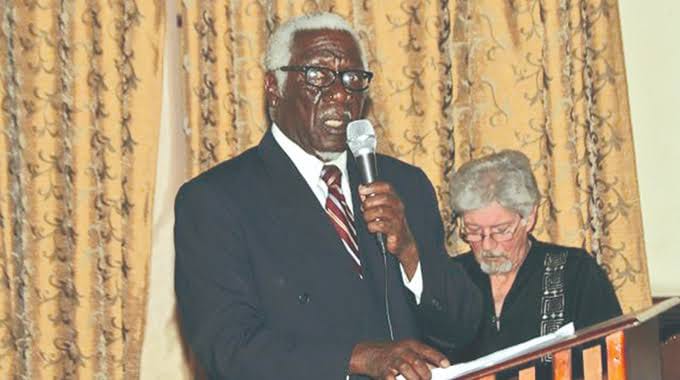
Chronicle Editor
Vusumuzi Dube, Online News Editor
THE Methodist Church in Zimbabwe has invoked provisions of its communication policy to effectively bar its members from using personal social media platforms to communicate messages that ‘tarnish the image’ of the church saying those found flouting the directive will be dealt with according to the dictates of the church.
It has called for the use of the church’s website and official platforms but the move has caused divided opinion among the congregants with some questioning the scope of what defines tarnishing the church’s image.
In a statement dated 13 June 2023, titled; the Bishop’s Council statement on the abuse of social media by some Methodist laity and clergy, the church said it had noted that some of its members were using social media to denigrate the church’s image. The council said social media should instead be used to spread the good news.
“The Bishops Council that sat on 9 June 2023 in the Connexional Boardroom noted with great concern the gravity of the consequences of the social media abuse by some lay members and the clergy of the Methodist Church in Zimbabwe. It is however, unfortunate that instead of using these social media platforms to spread good news, some members of our family are using the platforms to denigrate the Church, share the Church’s confidential information, or assassinate the characters of some fellow members of the family,” reads the statement.

The council noted that as a church they were bound by their communication policy which states that; “As the Internet becomes a primary method of communication, there is an increased opportunity to reach a wider audience through Church websites, social media, and mobile resources.
These channels enable viewers to be more aware of Church content, to share that content with friends and family, and to maintain closer contact with the Church and its leaders…adhering to the principles presented in these guidelines will promote effective and consistent use of Church communication resources.
According to sources within the church, the Bishop’s Council were forced to spell out the decree after noting a number of WhatsApp messages that were being forwarded that were targeted at a few individuals within the hierarchy of the church.



 Online Reporter