Online Reporter
Ivan Zhakata
Herald Correspondent
CIMAS Health Group has renamed its Bulawayo Medical Centre to Sipho Zwana Medical Centre in honour of the late pioneering anaesthetist Dr Sipho Leonard Vivian Zwana.
It is also in recognition of his contribution to Zimbabwe’s healthcare sector.
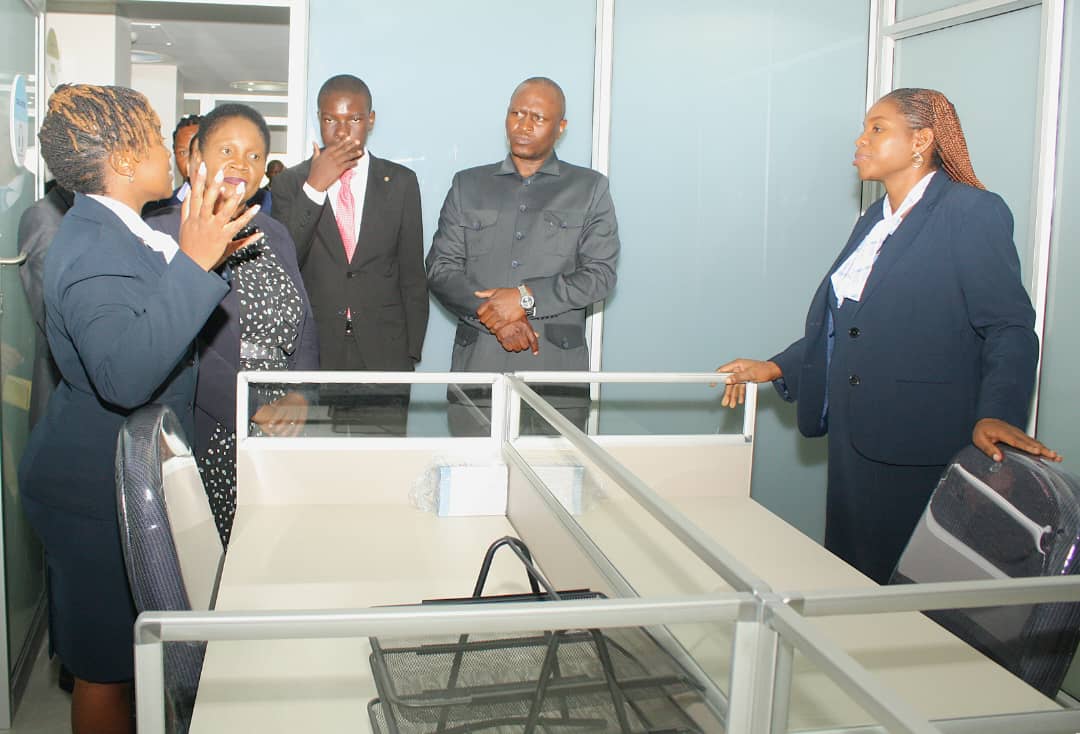
The renaming ceremony was officiated by Bulawayo Metropolitan Provincial Affairs and Devolution Minister Judith Ncube and attended by members of the Zwana family, healthcare professionals and other guests.
Addressing the gathering, Minister Ncube said the renaming was intended to preserve the legacy of one of Zimbabwe’s medical pioneers while inspiring future generations of healthcare workers.
“We are deliberately placing the name, work and memory of one of Zimbabwe’s distinguished medical pioneers in a place where future health professionals, patients and members of the public will encounter it every day,” she said.
Minister Ncube said the move reflected the need to recognise individuals who had made lasting contributions to Zimbabwe’s health sector.
“Today, we are saying that the contribution of those who built Zimbabwe’s health system must not fade with time. We affirm that excellence deserves to be remembered,” she said.
Minister Ncube described Dr Zwana as a trailblazer whose achievements included becoming Zimbabwe’s first black anaesthetist after obtaining a Fellowship Diploma in Anaesthetics from the Royal College of Surgeons in 1970.
He was also the first black doctor to serve at Mpilo Hospital before later becoming Medical Superintendent at Parirenyatwa Hospital and United Bulawayo Hospitals.
Minister Ncube said Dr Zwana practised medicine in Zimbabwe, the United Kingdom, Ghana and Kenya before retiring in 2013 after 52 years of service.
She said Government welcomed partnerships with private healthcare providers such as Cimas and investments in healthcare infrastructure, technology and wellness programmes complemented national efforts to improve healthcare delivery.
Cimas Health Group chief executive officer Mr Vuli Ndlovu said accepting Dr Zwana’s name carried a lasting responsibility for the organisation.
“Today, a family is giving something to a company. They are giving us a name and once we accept it, we can never give it back. That is the weight of this occasion,” he said.
Mr Ndlovu said Dr Zwana was among eight African students awarded Government bursaries to study medicine in 1954 and described the group as individuals who later played significant roles in Zimbabwe’s medical history.
“That was not a bursary list. That was a country being written into existence, 26 years before it had a flag,” he said.
Mr Ndlovu said Dr Zwana’s choice to specialise in anaesthesia demonstrated a commitment to service rather than recognition.
“The anaesthetist stands at the head of the bed… holding a stranger’s life at the exact point between too much and too little and when it is over, the patient opens their eyes and thanks somebody else,” he said.
“He was the man who watched while you slept.”
Mr Ndlovu said renaming the facility was intended to ensure Dr Zwana’s contribution remained part of Zimbabwe’s institutional memory.
“A naming is infrastructure for memory. It is the deliberate act of placing a story where it cannot be quietly lost,” he said.
Born in 1933 at Thekwane Mission, Dr Zwana qualified as a medical doctor at the University of Natal Medical School in 1960.
During his career, he worked in South Africa, the United Kingdom, Ghana, Kenya and Zimbabwe before retiring in December 2013.
He died in February 2019.
The renamed Sipho Zwana Medical Centre is now among the few healthcare institutions in Zimbabwe named after a pioneering black medical practitioner, with speakers at the ceremony expressing hope that it would inspire future generations to pursue excellence and service in the medical profession.