Ivan Zhakata-Herald Correspondent
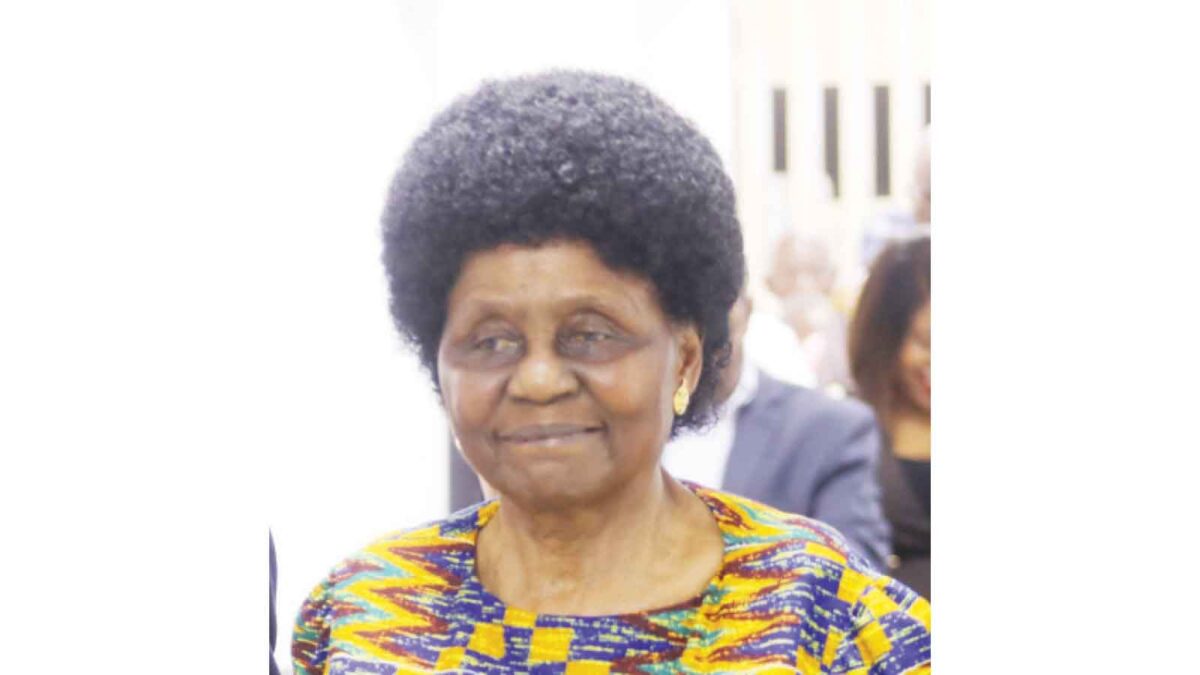
CIMAS Health Group has renamed its Van Praagh Medical Centre in Harare after Dr Madeline Nyamwanza-Makonese, Zimbabwe’s first black female medical doctor in recognition of her pioneering contribution to the country’s healthcare sector and national development.
The renaming ceremony, held in Harare on Friday, celebrated Dr Nyamwanza-Makonese’s distinguished career, commitment to patient care and role in opening doors for women in medicine.
Speaking on behalf of the Minister of Health and Child Care, Dr Douglas Mombeshora, Chief Medical Officer and Sally Mugabe Central Hospital head Mr Hopewell Mungani said the honour recognised a trailblazer who broke racial and gender barriers in the medical profession.
In 1970, Dr Nyamwanza-Makonese became the first black female medical doctor in Zimbabwe and the first African woman to graduate from the country’s medical school.
“As the only woman in a class of 25, she broke through formidable racial and gender barriers, demonstrating that talent, determination and excellence must never be limited by one’s background or circumstances,” said Mr Mungani.
He said her contribution to maternal and child health, advocacy for women’s education and mentorship of younger professionals has helped create opportunities for future generations.
Government recognised her contribution in August 2025 through the Robert Gabriel Mugabe Commendation Award for Service in Human Capital Development.
Mr Mungani said the renaming should inspire healthcare professionals to uphold the values of compassion, dignity and professionalism associated with Dr Nyamwanza-Makonese.
“The greatest tribute to her legacy will not be the name above this entrance, but the quality of care delivered within these halls,” he said.
He called for stronger collaboration between Government, private healthcare providers and medical aid societies to improve access to affordable, quality healthcare as the country advances towards universal health coverage.
“The patient must never become the casualty of disputes between institutions that should be working together,” said Mr Mungani. He said disagreements over tariffs, co-payments and settlements should be resolved through dialogue, transparency and fair, sustainable arrangements.
Cimas Health Group chief executive Mr Vuli Ndlovu said the organisation has evolved from a medical aid society established in 1945 into an integrated healthcare network operating across more than 11 disciplines.
The group operates nearly 50 units in more than 19 locations and has grown its workforce from about 300 employees a decade ago to approximately 1 000 about a third of whom are clinicians.
Mr Ndlovu said the organisation’s growth was underpinned by partnerships and investment in healthcare professionals.
“A building does not heal anyone. A doctor, a nurse, a pharmacist or a dentist who is trusted and properly supported does,” he said.
He said the renamed centre demonstrated integrated healthcare by bringing together wellness services, general practice, dental care and radiology under one roof enabling patients to access several services without travelling across the city.
Mr Ndlovu also expressed concern over the shortage of young general practitioners and said family medicine should be promoted as an attractive career path for medical graduates.
“The family doctor knows the whole patient, the whole household, and the whole story. This is the speciality that holds the health system together,” he said.
He said Cimas, through its Health Education Fund, has supported 65 beneficiaries since the programme began in 2007, including 25 undergraduates and, since around 2015, 36 medical specialists and four specialist nurses. The beneficiaries have trained across 19 specialties and subspecialties, with some contributing their expertise in public hospitals.
Mr Ndlovu said the organisation has helped train about five percent of the country’s specialist doctors, which he estimated at approximately 750.
However, he said rising healthcare costs were putting pressure on medical aid members, with expenditure driven by imported medicines, new technologies and other factors, alongside unnecessary tests, repeat consultations, over-prescription and fraud.
“For the current year to date, our claims ratio has reached 80 percent,” he said, calling for measures to curb waste and abuse while ensuring healthcare remained sustainable and accessible.
Dr Nyamwanza-Makonese’s husband, Mr Eben Makonese said the family was deeply honoured that the medical centre would carry his wife’s name.
“To us as a family, it represents the values, compassion and unwavering dedication that Madeline has embodied throughout her career and life,” he said.
Mr Makonese recalled his wife’s commitment to patients, recounting how she insisted on visiting her private surgery on Christmas Day in case someone needed medical attention, despite living about 30 kilometres away.
“I looked at her, smiled and thought to myself, sometimes even the most brilliant people have an absent-minded professor moment. I gently reminded her, ‘My dear, today is Christmas,’” he said.
“She looked back at me and calmly replied that she knew, but she had decided to drive to the surgery just in case a patient was waiting and needed help.”
Mr Makonese said the incident captured his wife’s dedication to her profession and the people she served.
He said, at the time, a child’s consultation fee was US$1, while an adult paid US$5.
He said the family was proud that Cimas has chosen to associate the facility with an institution dedicated to healing, innovation and quality patient care.
“Our prayer and hope for this centre is that every person who walks through these doors, whether seeking treatment, comfort or routine care, will experience not only world-class medical expertise, but also the warmth, dignity and compassion that Dr Madeline Nyamwanza-Makonese represents,” he said.