Online Reporter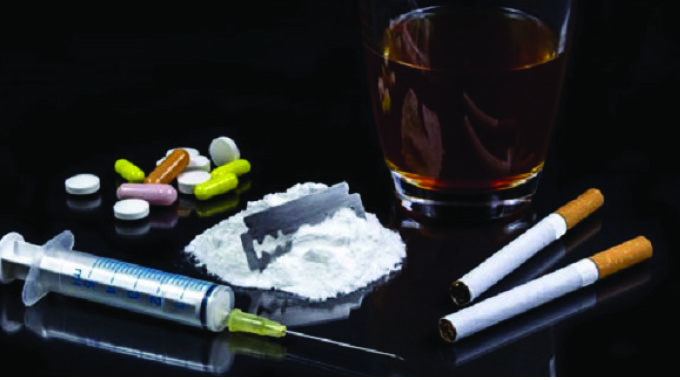
Reign Nheta
On Friday, July 12, 2025, the Harare International Conference Centre (HICC) bore witness to a powerful display of national unity and patriotism. Zimbabweans from all walks of life came together to support President Dr. Emmerson Dambudzo Mnangagwa’s bold and timely initiative to eradicate drug and substance abuse in the country.
The event saw over US$3 million being pledged by individuals and stakeholders determined to support Government’s plan to establish rehabilitation centres across the country, a crucial step in the ongoing war against a social scourge that is threatening the very fabric of our nation.
This overwhelming response is not only commendable, but it marks a new chapter in the country’s collective consciousness. For years, Zimbabwe, like many nations has grappled with the devastating impact of drug abuse, particularly among the youth. Substances, such as crystal meth, marijuana, codeine mixtures, and other dangerous narcotics have infiltrated our communities, creating an invisible crisis that has destroyed families, wrecked futures and derailed progress.
What has been clear, however, is that the Second Republic is not watching from the sidelines. Under the visionary leadership of President Mnangagwa, the fight against drug and substance abuse has been elevated to a matter of national urgency.
The President has repeatedly stated that the future of the nation depends on the health and well-being of its youth and Government is backing these words with decisive action. The development and roll-out of rehabilitation centres, community awareness campaigns, law enforcement crackdowns, and youth empowerment programmes all point to a leadership that is not merely concerned but fully committed.
The event that happened at HICC, on July 12, is something even more powerful. It showed that citizens are no longer waiting for Government alone to solve the problem. Instead, Zimbabweans are stepping up, taking ownership of the fight, and declaring drug abuse a national issue requiring everyone’s participation.
The pledges made were not just generous — they were patriotic, compassionate and visionary.
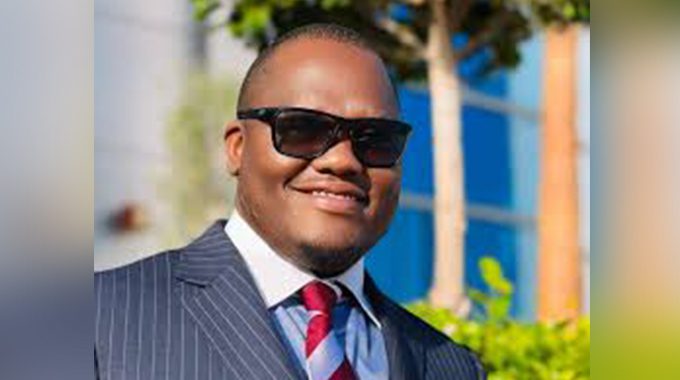
Leading the way was Honourable Scott Sakupwanya, MP for Mabvuku-Tafara, whose US$2 million donation reflected both personal commitment and a recognition of the devastating impact drugs have had in his constituency.
His leadership in this moment must be celebrated not only because of the amount contributed, but because of what it symbolises, a public servant choosing to act rather than watch. Following close behind was well-known businessman and philanthropist, Sir Wicknell Chivayo, who pledged US$1 million in support of the President’s vision. His consistent support for national programmes is well-documented, and his presence and contribution at HICC reaffirm the private sector’s indispensable role in shaping national development.
Equally impactful was Honourable Tino Machakaire, Minister of Youth Empowerment, Development and Vocational Training, who donated 10 000 bricks towards the construction of one of the rehabilitation centres. His gesture may not be measured in dollars, but its symbolic weight cannot be overstated. Machakaire’s contribution shows that no effort is too small when the goal is saving lives. His powerful declaration, “This is no longer just a Government issue.
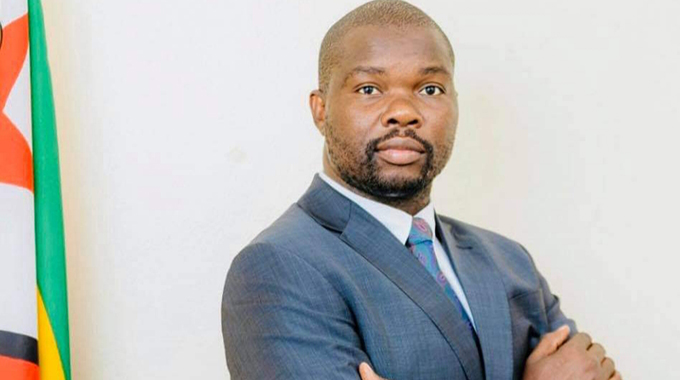
Every Zimbabwean must be involved in the fight against drugs if we are to protect our future.”
His sentiments captured the mood of the nation and underlined the spirit of collective responsibility.
Also making a notable contribution was Dr Tungwarara, whose US$200 000 donation reinforced the fact that this is a battle that must be fought by everyone — businesspeople, professionals, youth leaders, legislators and ordinary citizens alike. His message was clear: we all have a stake in building a safer, healthier Zimbabwe.
The Government has already laid the foundation. Through a strategic, multi-pronged approach, the anti-drug campaign involves prevention, enforcement, treatment and empowerment. Rehabilitation centres are being established in all 10 provinces to provide victims with the medical, psychological and social support needed to rebuild their lives.
Law enforcement agencies are cracking down on traffickers and drug syndicates that profit from the destruction of young people’s lives. Education and awareness campaigns are being rolled out in schools, churches and communities.
And critically, youth empowerment initiatives, such as the opening of new vocational training, sports development, and small business financing are giving young people alternatives to drugs and a renewed sense of purpose.
President Mnangagwa’s leadership in this campaign is commendable. His clear, unwavering stance against drug and substance abuse, and his insistence on results-driven policy, is reflective of his broader vision for the nation.
This fight against drugs is not separate from Vision 2030. On the contrary, it is central to it. Zimbabwe cannot reach middle-income status if its youth are shackled by addiction, if its communities are destabilised by drugs, and if its schools and workplaces are haunted by absenteeism and hopelessness. Drug abuse is a development issue, a productivity issue, and a national security issue.
This is why the citizen-led support must be seen as a patriotic and developmental gesture. It is about safeguarding national progress. The donations pledged at HICC are not charity but investments in Zimbabwe’s future. They represent a belief that every young person saved from the jaws of addiction is a life worth reclaiming, a family worth restoring, and a future worth protecting. These contributions, whether in cash or materials, should be applauded and emulated.
This war cannot be fought by the Government alone. The scale of the problem demands a whole-of-society approach. Parents must become more involved in the lives of their children. Schools must be vigilant. Church leaders, traditional leaders, artists, athletes, and civil society must all use their platforms to promote clean living and national pride. The media must also play its part by continuing to raise awareness and shining a light on the dangers of drugs and the path to recovery.
What the July 12 gathering proved is that Zimbabweans are more than ready to take on that responsibility. The unity on display, the convergence of Government, business, community, and youth should not be a once-off. It must be the beginning of a sustained national movement. We must build momentum and make the anti-drug campaign a permanent part of our national development agenda.
With the strong foundation laid by President Mnangagwa, the encouraging response from patriotic citizens, and the continued vigilance of the nation at large, Zimbabwe can and will overcome the scourge of drugs.
The donations made at HICC are a testament to what is possible when people and their Government work in harmony. The spirit of Ubuntu, “I am because we are” was alive on that day. Let it carry us forward, united in purpose, firm in resolve, and unshaken in our belief that Zimbabwe will soon be a drug free nation.