admin
admin
Herald Reporter
Civil servants have decried what they described as serious infiltration by minority unions linked to opposition parties which they say are forcing some workers to engage in go-slows and strikes to frustrate Government’s engagement efforts.
The Government workers said as much as they are enjoying the Second Republic’s stance on dialogue—there are some unionists who are throwing spanners into the whole initiative.
This was revealed during last week’s workshop for the Parliamentary Portfolio Committee on Public Service Labour and Social Welfare, the Public Service Commission and the Apex Council grouping staff associations.
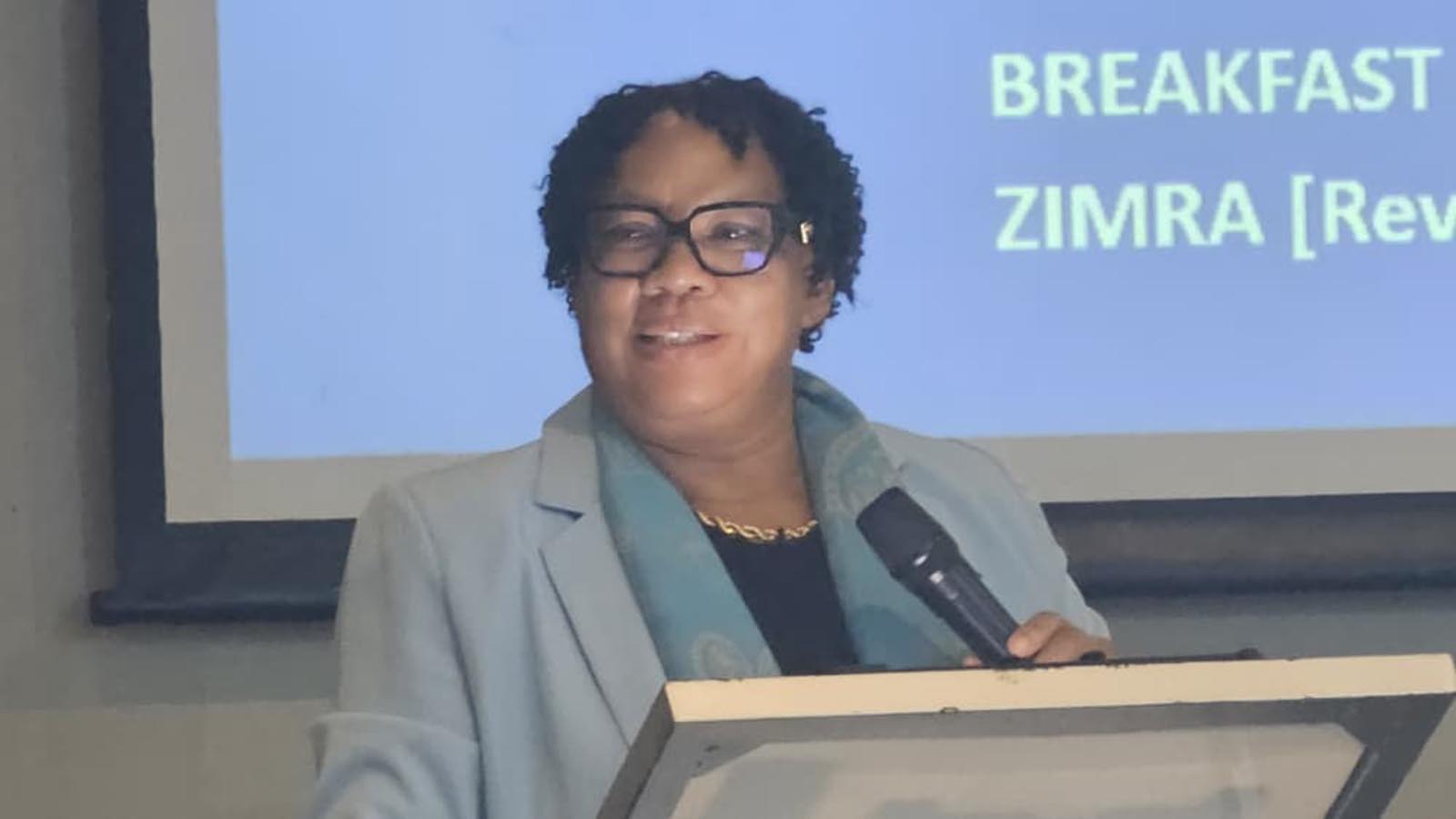
Apex Council president Mrs Cecilia Alexander said some workers were being forced not to return to work by certain anti-Government unions.
“Local and international conventions stipulate that employers meet with organised labour and in this case it is us Apex. Some are forming unions not to represent workers, but to use social media to spread malicious messages that force workers to strike even after consensus would have been reached in the National Joint Negotiating Council.
“Interference is now rife among civil servants. It is now a battle ground for politicians. Some people want to control from outside they feel the more the ruling Government is meeting workers’ demands their political base will dwindle,” she said.
Mrs Alexander said out of 15 unions represented by Apex two linked to the opposition refused to accept the Government’s latest offer on salaries.
“Since there is freedom of association we cannot force them to accept the majority’s decision, but the tenets of democracy are that the voice of the majority will supersede that of the minority and in this case all workers had to return to work,” she said.
Mrs Alexander added that while unionists were militant in the past they have now softened the stance thanks to the dialogue platforms availed by the Second Republic.
“As representatives of Government workers in the past we were militant in our approach, but with the Second Republic dialogue is now the new way of life,” she said.
“In the National Joint Negotiating Council, according to the law, the Minister has the power to override any decision that we may make, but the Second Republic has been very accommodative,” she said.


 Online Reporter