Online Reporter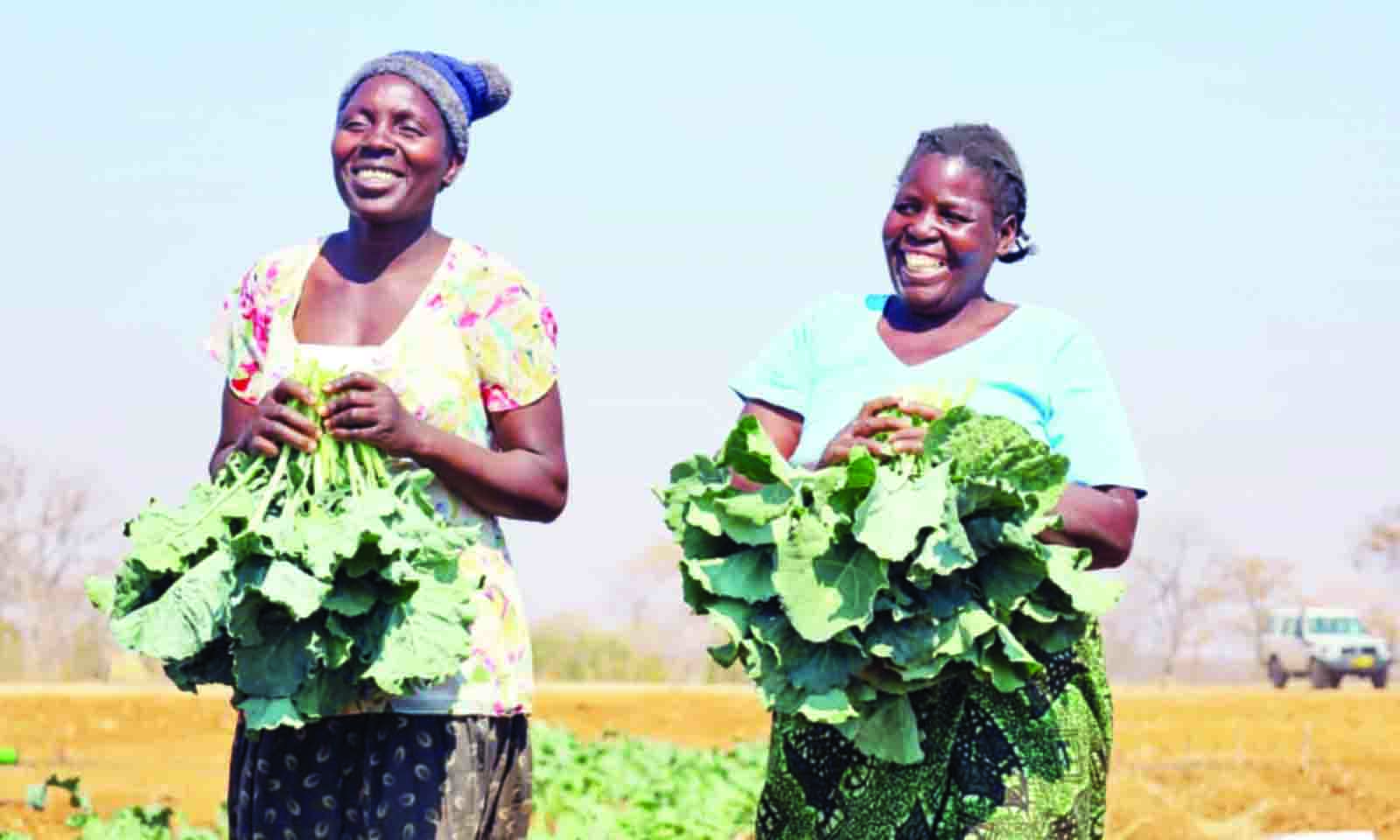
Peter Borchert
CLIMATE change has moved far beyond warnings — it is transforming daily life across the globe. Heatwaves are killing hundreds of thousands, crops are failing, seas are rising and ecosystems are shifting before our eyes.
Africa, which has contributed least to global emissions, is warming faster than the global average and faces some of the most severe impacts. Yet there is still time to act. A fairer, smarter transition can protect communities, safeguard nature, and pull temperatures back to safer levels.
As delegates gather in Brazil for the United Nations Climate Change Conference (COP30), the implications for Africa could not be more urgent — or more personal.
A crisis in real time
Climate change is no longer a distant threat discussed only in conference halls. It is reshaping the world in real time — melting glaciers, drying rivers, disrupting food systems, and forcing both people and wildlife to adapt to new realities.
In the lead-up to COP30, UN Secretary-General António Guterres delivered one of his most sobering warnings yet. Humanity, he said, has missed the chance to keep global warming within the 1,5°C limit set by the Paris Agreement. An overshoot, he warned, is now “inevitable” and will bring “devastating consequences.”
“Let’s recognise our failure . . . we have failed to avoid an overshooting above 1,5°C in the next few years,” Guterres told The Guardian on 28 October 2025. “And that going above 1,5°C has devastating consequences … tipping points, be it in the Amazon, Greenland, western Antarctica, or the coral reefs.”
Even so, Guterres urged world leaders not to give up. If emissions fall sharply and immediately, temperatures could still return to safer levels later this century.
The window is narrowing — but it has not yet closed.
The science is clear
The Intergovernmental Panel on Climate Change (IPCC) reports that global carbon dioxide levels reached record highs in 2024. Without deep reductions, the world faces intensifying droughts, floods, and wildfires, alongside rising sea levels and food insecurity.
The toll on human health is already evident. The Lancet Countdown reports that heat now kills roughly one person every minute worldwide.
Between 2012 and 2021, heat-related deaths averaged 546 000 per year — a 23 percent increase since the 1990s.
The economic costs are staggering. In 2024, extreme heat caused 639 billion lost labour hours globally, hitting outdoor and low-income workers hardest. Despite this, fossil fuel subsidies totalled almost US$1 trillion in 2023, while oil producers continued expanding operations incompatible with climate goals.
Africa on the frontlines
Africa’s contribution to global greenhouse gases is minimal, yet its people and ecosystems are suffering disproportionately. Droughts, floods, and erratic rainfall are devastating crops and livestock. Rising seas are swallowing coastlines and displacing communities.
In the Horn of Africa, more than a million people were forced from their homes within six months due to drought and conflict linked to climate stress. The IPCC warns of multiple, overlapping risks — shrinking food production, rising disease, and reduced labour productivity — especially in agriculture-dependent economies.
Still, Africa’s coordinated response to the Covid-19 pandemic showed that rapid, collective action is possible. The same resolve, applied to climate change, can strengthen resilience and save lives.
Wildlife under pressure
Wildlife faces many of the same threats. Africa’s elephants — keystone species vital to healthy savannahs and forests — are being forced to adapt to harsher, drier conditions. Research by the Conservation Ecology Research Unit (CERU) at the University of Pretoria shows that elephants are changing their daily routines, migration routes, and access to water in response to rising temperatures.
Water is the key to their survival. As rivers and waterholes dry up, elephants must travel further and compete more intensely for resources — often coming into conflict with people. Young elephants are particularly at risk, with high mortality recorded during prolonged droughts.
Room to Roam: resilience in action
CERU’s findings form the scientific foundation for the International Fund for Animal Welfare (IFAW) Room to Roam initiative — a long-term vision for climate-resilient landscapes where people and wildlife can thrive together. Instead of confining elephants to fenced reserves, Room to Roam connects habitats across borders, restores degraded land, and works with communities to reduce conflict.
By protecting and regenerating ecosystems, the initiative safeguards carbon stores, captures additional carbon, and supports biodiversity. At the same time, it helps communities adopt climate-smart livelihoods — such as regenerative farming, beekeeping, and improved livestock management — creating more resilient landscapes for both people and wildlife.
In Zimbabwe, IFAW’s Water is Life project has played a crucial role in addressing the impacts of climate change by improving water supply for communities, ranger stations, and wildlife. Beyond domestic needs, the programme supports small-scale protected horticulture gardens that help sustain agro-based livelihoods.
IFAW and its partner ZimParks are also utilising the EarthRanger tool to generate valuable data for informed wildlife management decisions, helping to mitigate the effects of climate change and ensuring a thriving ecosystem for future generations.
Hope through collective action
Encouraging progress is already visible. Renewable energy is now cheaper than fossil fuels in many regions. Nature-based solutions such as forest and wetland restoration are capturing carbon and protecting biodiversity. Cities are redesigning infrastructure to reduce heat, and green finance is helping vulnerable communities adapt through better crops, early-warning systems, and water management.
Climate change is the defining challenge of our time — but it is one we can still meet. The science is clear. The technology exists. And communities across Africa are already showing the way.
With stronger policies, fairer financing, and determined leadership, we can limit the damage, protect wildlife, and build a future where people and nature thrive together.
Peter Borchert is a conservationist and this article was supplied by the International Fund for Animal Welfare (IFAW)