admin
admin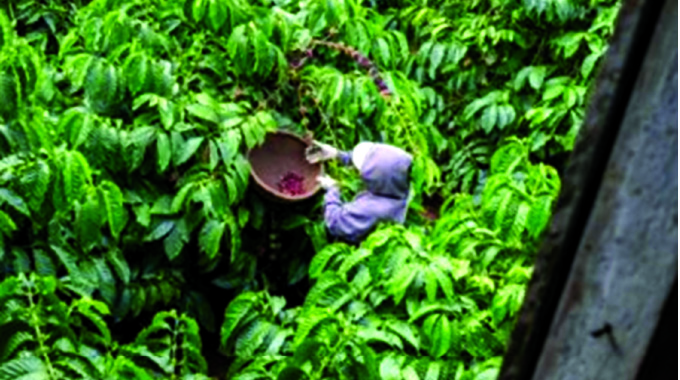
For coffee lovers, the brew of the future is shaping up to be bitter and pricey, as climate change parches the world’s key growing regions.
Increasingly erratic weather is putting crops at risk globally. Hardier varieties are expected to fare better, and for coffee that means strong, earthy robusta. But in Vietnam, the top producer of these beans, alarm bells are ringing.
“We have to dig deeper to get water,” Tran Thi Lien, 46, said at her one-hectare farm in Dak Lak province in the country’s Central Highlands. “Some years, we don’t have enough water for irrigation. And some years, there’s too much rain.”
Tougher growing conditions have led Vietnamese farmers to question the value of coffee as a cash crop, with some pulling out their trees to plant black pepper and durian, a pungent fruit popular across Southeast Asia and with Chinese consumers.
Reduced supply has already pushed the robusta price this year to the highest level since at least 2008 — and still, rising temperatures mean future production will fall short
Coffee is a roughly $200 billion industry that stretches from small farms across Brazil or Indonesia to roasters and makers of end products, such as Nestlé. Traditionally, sellers like chain Starbucks favour the milder, more aromatic arabica variety, whereas robusta is used for instant coffee.
But consumers are going to have to get used to a different taste.
A 2022 study of tropical cash crops that included arabica, as well as avocado and cashew, found that the bean was most vulnerable to climate change, with regions suitable for its production shrinking globally primarily due to increased heat. Researchers found that it would be necessary to adapt, including by replacing arabica with hardier robusta.
Nestlé, the Swiss maker of Nespresso and Nescafé, is among those grappling with the change.
“Estimates show that 30 years from now, basically 50percent of coffee lands as we know them today will not be viable for coffee production anymore” if climate change isn’t tackled, Philipp Navratil, global head of Nestlé’s coffee strategic business unit, said during an interview on a tour of some of the Vietnamese farms that supply the coffee giant.
Nestlé is a major consumer of robusta — around the world, consumers drink more than 6 000 cups of Nescafé every second. It spends $700 million each year to buy around a quarter of Vietnam’s coffee production.— Bloomberg


 Online Reporter