Chronicle Editor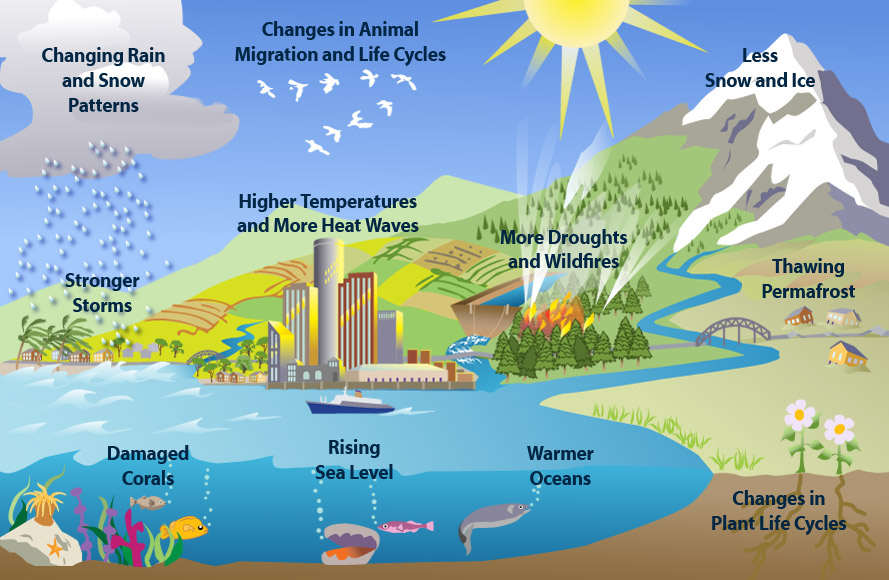
Conrad Gweru Correspondent—
At the 22nd Conference of the Parties (COP22) meeting in Morocco, African leaders agreed to work together to fight the devastating effects of climate change that have increased the vulnerability of most African countries, as harsh weather conditions become the order of the day, season in and out. At a time when most industries in Africa are faced with serious capacity issues and difficulties in penetrating global markets, agriculture, which has always been the traditional backbone of the economy, remains the best hope for African countries.
Unfortunately, weather conditions due to rising global temperatures have contributed to severe droughts and flooding, exposing communities to hunger, disease and uncertainty.
Serious economic meltdown has been experienced by a number of African countries that rely on agriculture for raw materials as production levels are dropping year on year.
Having noted the present and continuing danger — which may yet degenerate into a full-blown catastrophe in coming years, leaders did a noble thing to gather and discuss possible ways of ensuring that the next 15 years of working towards the Sustainable Development Goals will be a cause for celebration come 2030.
The stance by African leaders to move from less talk to more action is crucial in building the necessary foundation to support the Paris climate change agreement and should be supported by all key stakeholders, across government and both development and private sectors.
It is, however, worrying that while the stance is noble, one cannot ignore that the position taken by African leaders a few weeks back is currently resting on quicksand.
African leaders are faced with a mammoth task in ensuring that this position will see the light of the day.
One of the key threats to this is the unavailability of resources to deal with common problems.
Possible sources for financing climate action, according to the 2014 draft Africa Union climate change strategy, include; national or domestic investment, multilateral funding, grant, loan and concessional funds, bilateral investment, insurance and other risk management instruments, private sector instruments, and market-based instruments such as carbon finance.
However, these are either oversubscribed or largely depend on the performance of the particular country’s economy.
The latter being the biggest threat to this position, as many countries are facing poor economic performance, high levels of corruption, dwindling natural resource bases and, more importantly, a serious lack of prioritisation of climate change issues.
Therefore, Africa needs to be realistic as it takes direct and urgent responsibility in mobilising climate finance to implement climate change adaptation and mitigation programmes in all sectors of the economy.
In this regard, the financing mechanisms should clearly spell out what Africa is able to do from its own resources, even as new, additional, and large-scale complementary support is required.
While the constructive spirit of working together is there and platforms for doing that are being created, care needs to be taken as Africa is over-burdened with a plethora of problems that will divert leaders attention from climate change issues including civil wars, growing political discontent among citizens, de-industrialisation, health concerns, upstream and downstream water wars amongst many others that require funding and meaningful planning and strategising to address.
This is the backdrop against which climate change must be addressed and it will require real commitment to make this a reality.
The actions that Africa needs to take should not express desperation to be assisted but rather show meaningful commitment towards mitigating the impacts of climate change as well as the transformative, adaptive and absorptive capacity of community members and leap-frogging to a green economy to ensure that Africa does not become part of the problem in contributing to global emissions.
This is possible through the development of home-grown strategies with clear funding options.
The rugged terrain that Africa is currently traversing has the potential to swallow climate change issues despite the current urgent need to take appropriate action.
People and the environment are key in this discourse.
Programmes that mitigate the impact of climate change are crucial and more importantly, they should be introduced with the future in mind as the future impacts of climate change are unknown.
Greater focus is needed on the policies, plans and strategies from the lowest level of any governance system to the highest level and across the continent.
Adaptation aimed at enhancing the capacity of systems to respond and adapt to climate change will require greater efforts to address the underlying causes of vulnerability and longer term planning beyond immediate needs.
Promoting flexible, forward-looking decision-making and governance is needed to reduce the risks of maladaptation.
Each African country should look at possible financing sources and come up with a level of contribution towards climate change resources.
Having done so, there is need to look at how resources pulled together by African countries will be managed; by who and how?
It is one step to pull together resources but managing them is another.
It cannot be ignored that a number of African leaders stand accused of involvement in corrupt activities and ignoring such will militate against gains made towards pulling resources together.Fighting corruption increases inclusiveness, participation, openness, and accountability, ultimately opening up new avenues for financing of SDGs work.
National climate change resilience activities could also be financed by development partners and they can only do so when there are clear frameworks, plans and strategies that guide how resources will be used once they are injected in the country and assurance that the funds will be used for the purpose for which they are intended.
Conrad Gweru is an Advocacy Accompanier with CAFOD working with poor and vulnerable communities around Zimbabwe to mitigate the negative impacts of climate change on their livelihoods. He writes in his personal capacity.


 Online Reporter