Online Reporter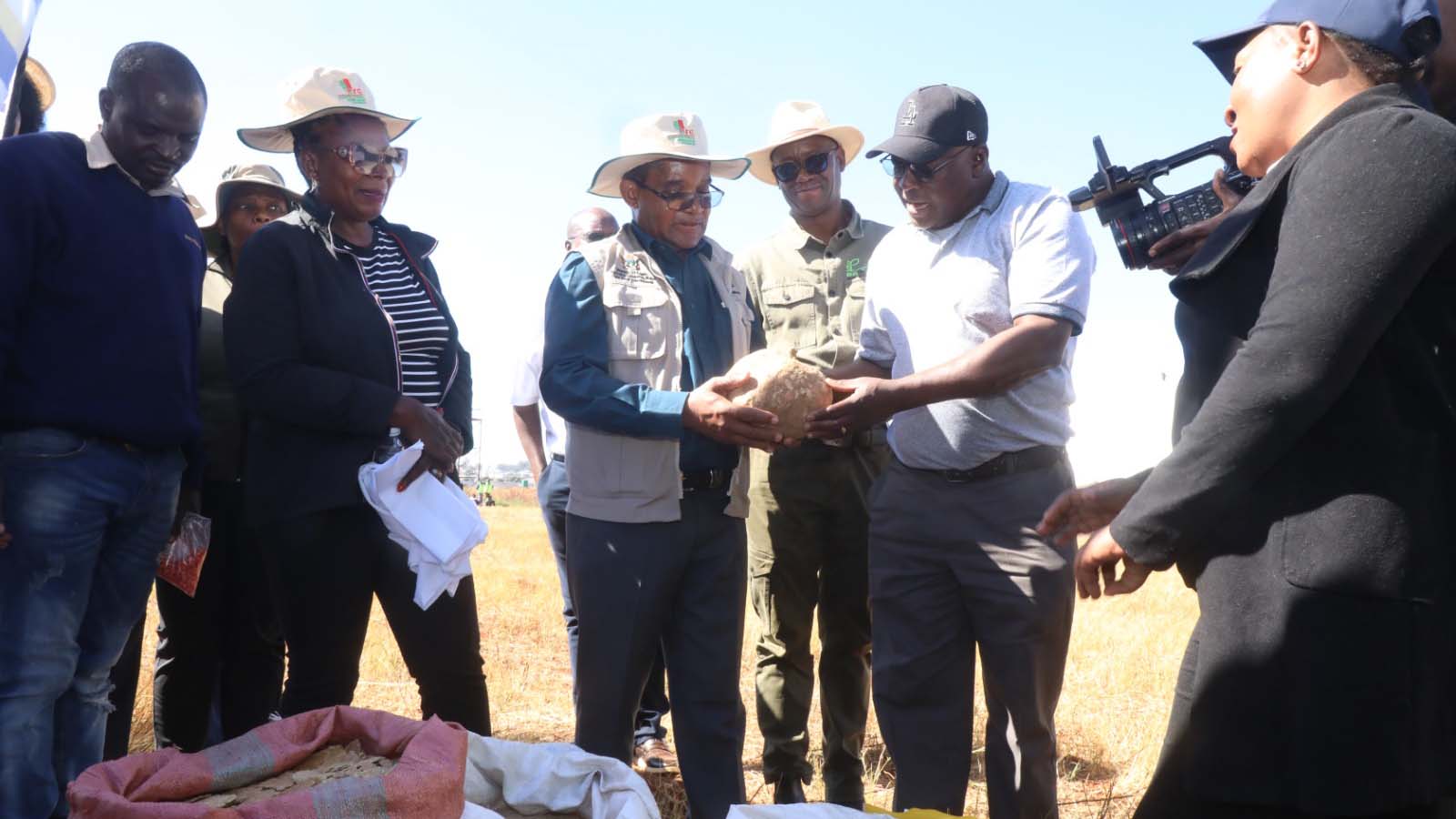
Herald Reporter
As efforts intensify to shield farmers from the growing impacts of climate change, Government and the African Agricultural Technology Foundation (AATF) are scaling up the promotion of climate-smart technologies and resilient crop varieties ahead of the 2026/27 summer cropping season.
The initiative comes against a backdrop of recurring droughts, erratic rainfall patterns and rising temperatures that have increasingly threatened food production across Southern Africa. Following the devastating El Niño-induced drought that affected millions of people in the region, stakeholders are now focusing on practical solutions that help farmers adapt while maintaining productivity.
Speaking during a recent field tour at the Agricultural Research Council (ARC), African Agricultural Technology Foundation (AATF) Seed System Assistant, Gilbert Moses Otieno said the organisation has trained more than 4 000 farmers in climate-smart agronomic practices designed to improve yields, strengthen resilience to climate shocks and enhance household food security.
“The programme focuses on equipping farmers with knowledge and technologies that enable them to make better use of available resources under changing climatic conditions,” he said.
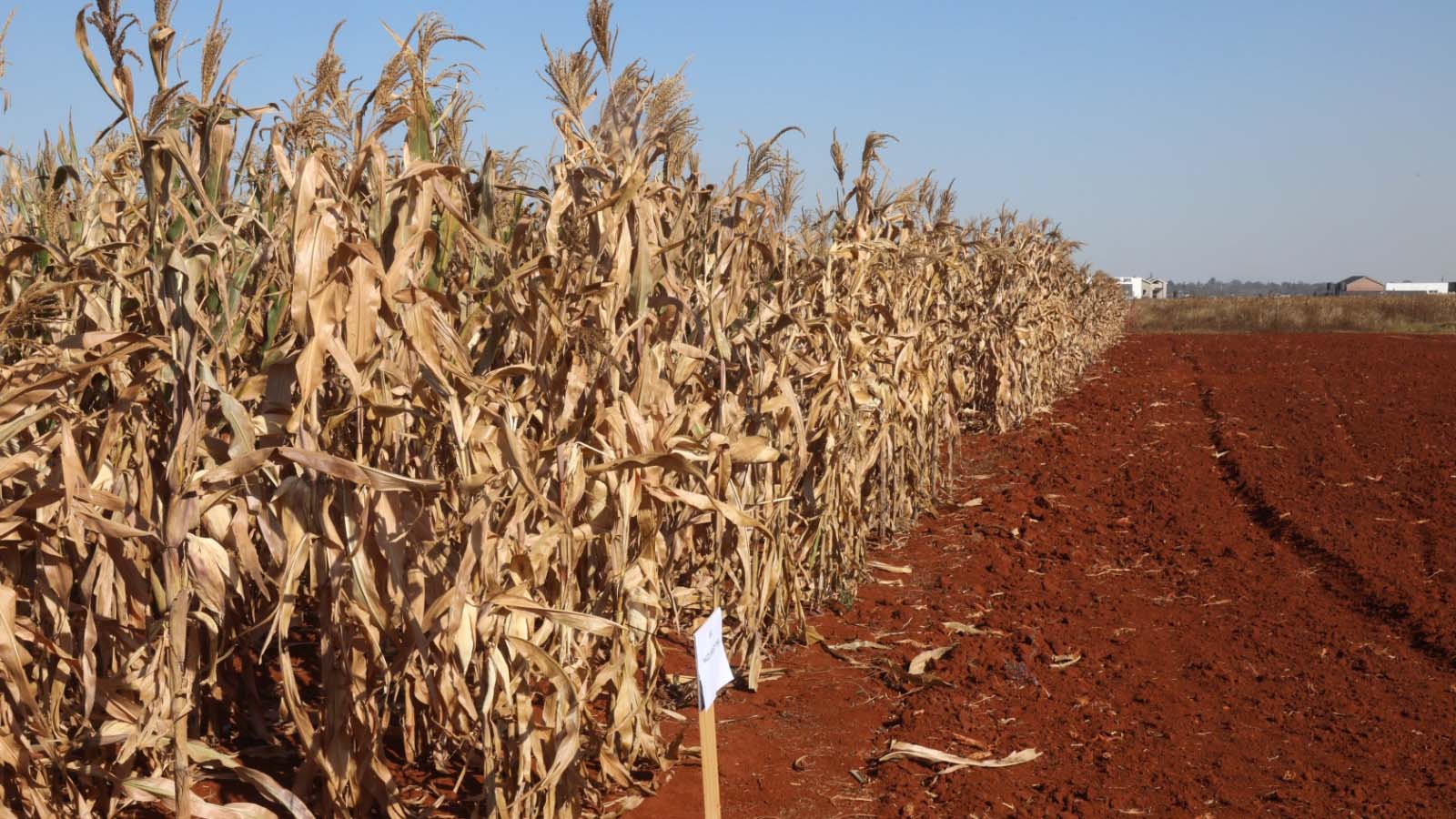
Climate-smart agriculture promotes practices such as conservation farming, efficient water management, use of drought-tolerant seed varieties, crop diversification and improved soil management. These interventions are increasingly becoming essential as weather patterns become less predictable.
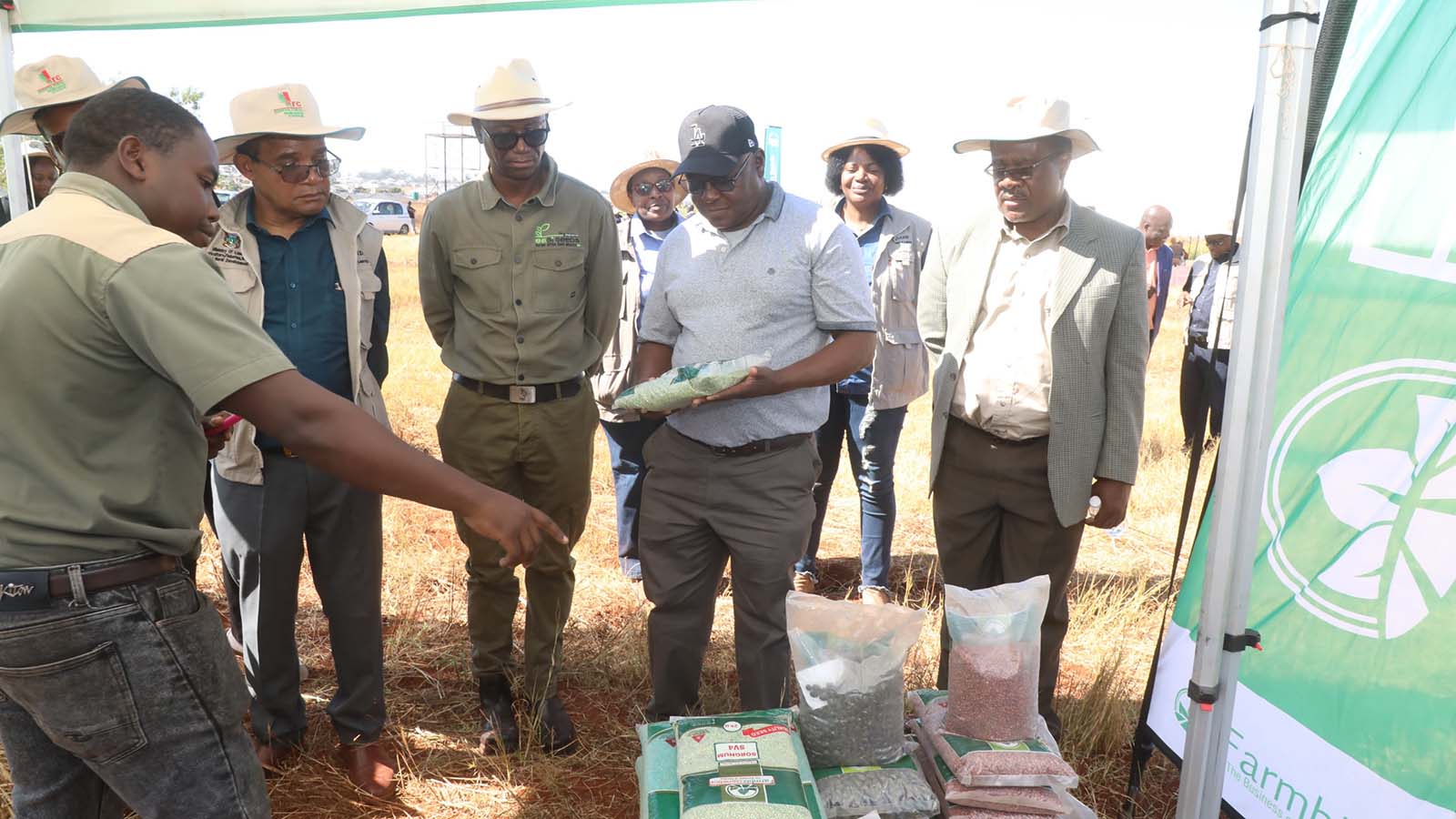
Chief Director of the Department of Research and Specialist Services in the Ministry of Lands, Agriculture, Fisheries, Water and Rural Development, Dr. Dumisani Kutywayo said research institutions have developed more than 340 climate-smart crop and livestock varieties tailored to Zimbabwe’s different agro-ecological regions.
“These varieties are expected to play a critical role in improving productivity while reducing vulnerability to drought and other climate-related risks,” said the Chief Director.
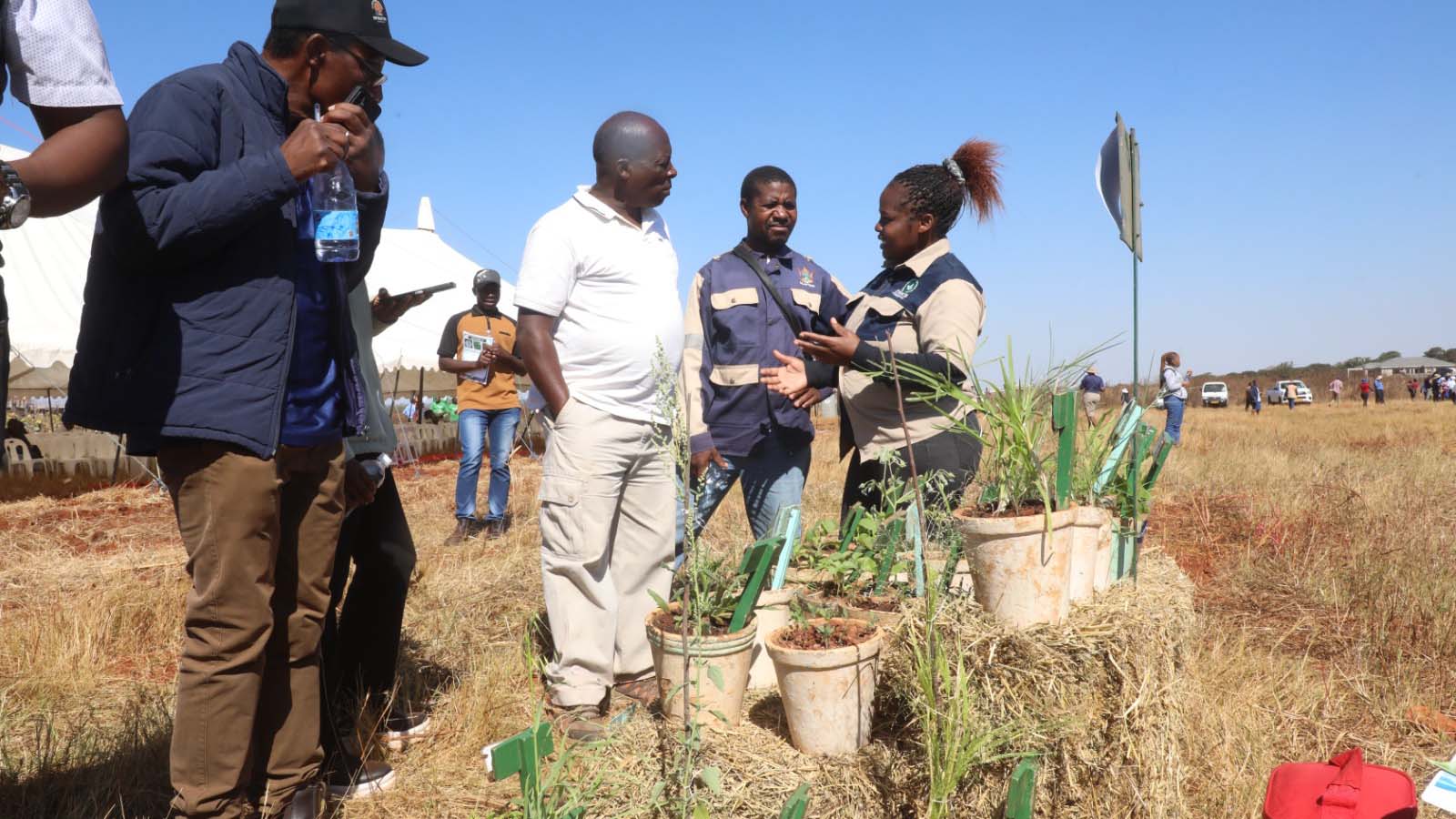
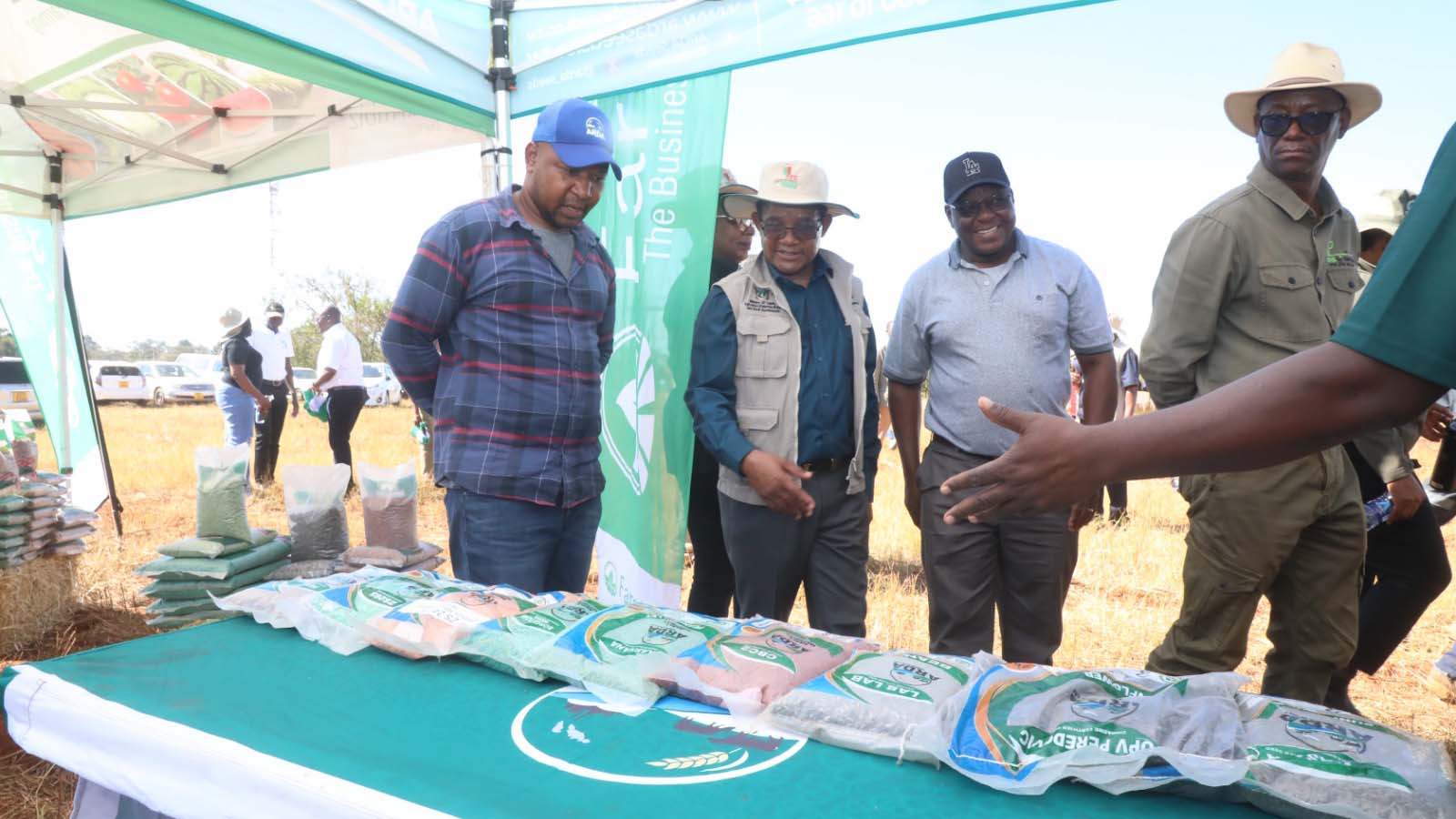
Agricultural experts note that access to improved seed remains one of the most effective tools for building resilience among smallholder farmers. Recent efforts by Government, research institutions and development partners have focused on strengthening seed systems and increasing the availability of drought-tolerant and early-maturing crop varieties.
The push for climate-smart agriculture aligns with Zimbabwe’s broader agricultural transformation agenda, which prioritises food security, climate resilience and rural development. Authorities have also expanded programmes such as Pfumvudza/Intwasa, irrigation development and mechanisation to reduce dependence on rainfall and improve productivity.