Judith Phiri [email protected]
THE Goat Breeders Association of Zimbabwe (GBAZ) will spotlight climate-smart goat breeding at its 2026 Annual Goat Indaba, as the livestock sector seeks sustainable ways to withstand drought, improve productivity, and strengthen resilience to climate change.
The indaba, scheduled for October 30 to 31 on the sidelines of the Masvingo Agricultural Society, comes at a time when livestock producers are under pressure to adapt to erratic rainfall, rising feed costs and declining availability of natural grazing in some areas.
The gathering is expected to provide a platform for breeders, farmers and other livestock stakeholders to exchange knowledge on breeding practices, animal nutrition and sustainable goat production, with an emphasis on developing a more drought-ready livestock sector. In an interview, GBAZ Southern Region vice chairperson, Ms Yvonne Sibanda, said the indaba brings together a diverse network of agricultural businesses, livestock breeders, research institutions and technology providers to advance Zimbabwe’s goat industry.
“The programme will also feature technical contributions from Bindura State University, Grasslands Research Institute and the Veterinary and Health Department.
“The participation of CMLW Boerdery from South Africa further highlights the indaba’s growing regional reach and the opportunities for cross-border knowledge exchange, collaboration and improved breeding practices,” she said.
CMLW Boerdery is a prominent agricultural business based in Modimolle, Limpopo Province, South Africa, specialising in top-tier livestock breeding and animal nutrition.
Ms Sibanda said one of the major innovations at this year’s national goat indaba is GBAZ’s decision to move away from the traditional conference format, where invited speakers deliver presentations to delegates seated in a conference room.
Ms Sibanda said the first day will feature interactive, partner-led practical training stations, allowing delegates to move between specialised learning areas and engage directly with trainers, breeders, veterinary professionals and agricultural industry experts.
“The stations will cover goat nutrition, animal health, breed standards, herd management, genetic improvement, day-to-day farm operations and housing.
“The morning programme will feature nutrition and goat health stations running simultaneously, with delegates rotating between the two. In the afternoon, delegates will rotate through four specialised breeding and management stations,” she added.
“Each afternoon station will provide 50 minutes of practical engagement and 10 minutes for movement and comfort breaks, ensuring that delegates have sufficient time for meaningful interaction.”
She said the training stations are also intended to give participants a meaningful role in farmer education, moving beyond conventional product displays towards practical knowledge-sharing and direct engagement.
Ms Sibanda said the inclusion of registered breeders from South Africa, alongside Zimbabwean breeders, agricultural companies and research institutions, creates opportunities for knowledge exchange, improved production practices and stronger regional livestock industry relationships.
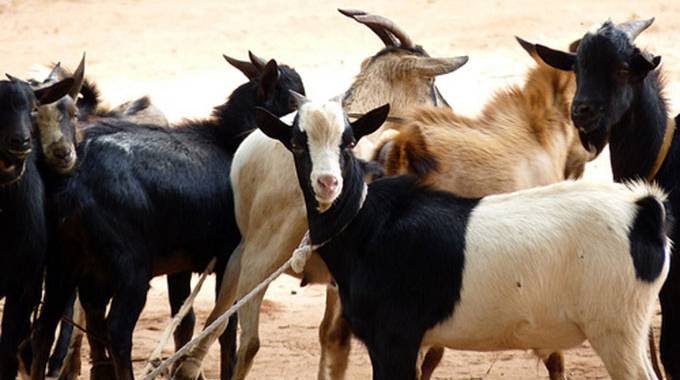
Goats are increasingly being recognised for their potential to support livestock production in semi-arid areas because they can browse a variety of vegetation and, depending on the breed and management system, cope better with harsh conditions than some other livestock species.
Zimbabwe’s indigenous Matabele and Mashona goats are particularly important because they are adapted to local climatic conditions, making their conservation and improvement an important consideration in climate-resilient livestock development, as well as exotic breeds such as Boer, Kalahari Red and Savanna goats.
The indaba also comes as GBAZ continues to promote the commercialisation and modernisation of goat farming through improved genetics, breeder training and the adoption of recognised breeding standards.
The association, established in 2018, seeks to improve productivity and profitability while supporting the development of a more organised and sustainable goat industry.