

 Londile Moyo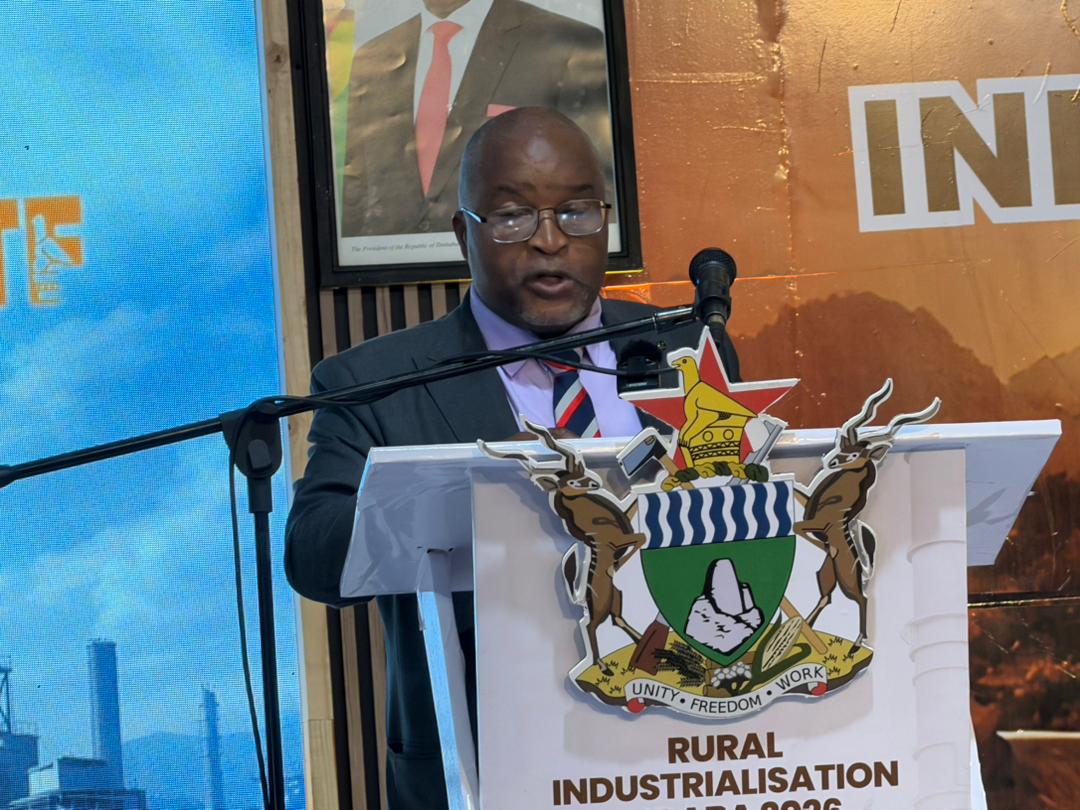
Judith Phiri, [email protected]
THE Minister of State for Bulawayo Provincial Affairs and Devolution, Judith Ncube, on Monday called for stronger collaboration among stakeholders to drive inclusive growth and ensure the benefits of industrialisation reach every community across Zimbabwe.
Speaking through Director of Economic Affairs and Investment Mr Simon Saunyama at the Industrialisation and Economic Empowerment Indaba held on the sidelines of the Zimbabwe International Trade Fair in Bulawayo, Minister Ncube said the platform seeks to unlock the economic potential within rural communities.
“This Indaba stands as a flagship empowerment platform deliberately designed to transition our communities from peripheral participants to active equity holders within industrial value chains,” she said.
“Today, we gather not merely to deliberate, but to chart a bold and actionable path towards inclusive growth, one in which the benefits of industrialisation extend to every village, every district, and every citizen of Zimbabwe.”
Minister Ncube said there was need for a collective resolve to transform rural economies into hubs of productivity, where communities are empowered with skills and opportunities, and where industrialisation is not confined to urban centres.
She said discussions at the indaba are guided by the National Development Strategy 2 (NDS2) and Vision 2030, noting that rural industrialisation is not just an economic agenda but a social contract.
“It is about restoring dignity, creating employment, and securing sustainable livelihoods. We must harness our natural resources responsibly, embrace innovation and build industries that reflect the resilience and creativity of our people,” she said.
Minister Ncube highlighted the role of Community Economic Empowerment Trusts as a transformative model for community participation in economic activities.
“We envisage the Community Economic Empowerment Trust as a district-level holding structure that will aggregate production, negotiate bulk inputs, manage shared infrastructure, and secure equity participation in joint ventures with investors,” she said.
She added that such structures will enable communities to move beyond supplying raw materials to becoming shareholders in processing industries and active players in value chains, including logistics and retail markets.
Minister Ncube reaffirmed Government’s commitment to ensuring that empowerment translates into tangible outcomes for citizens across the country.
“Rural communities already provide the backbone of our raw materials. Our task now is to translate this into local wealth retention, job creation, and sustainable capital accumulation within those communities,” she said.
She urged stakeholders to move beyond dialogue and focus on implementation, scaling pilot projects into national programmes and translating resolutions into practical policy and investment outcomes.
“Let this platform inspire a renewed commitment to implementation, coordination and accountability as we work collectively to unlock the full potential of our rural economies,” she said.


 Bongani Ndlovu
 Online Reporter