Londile Moyo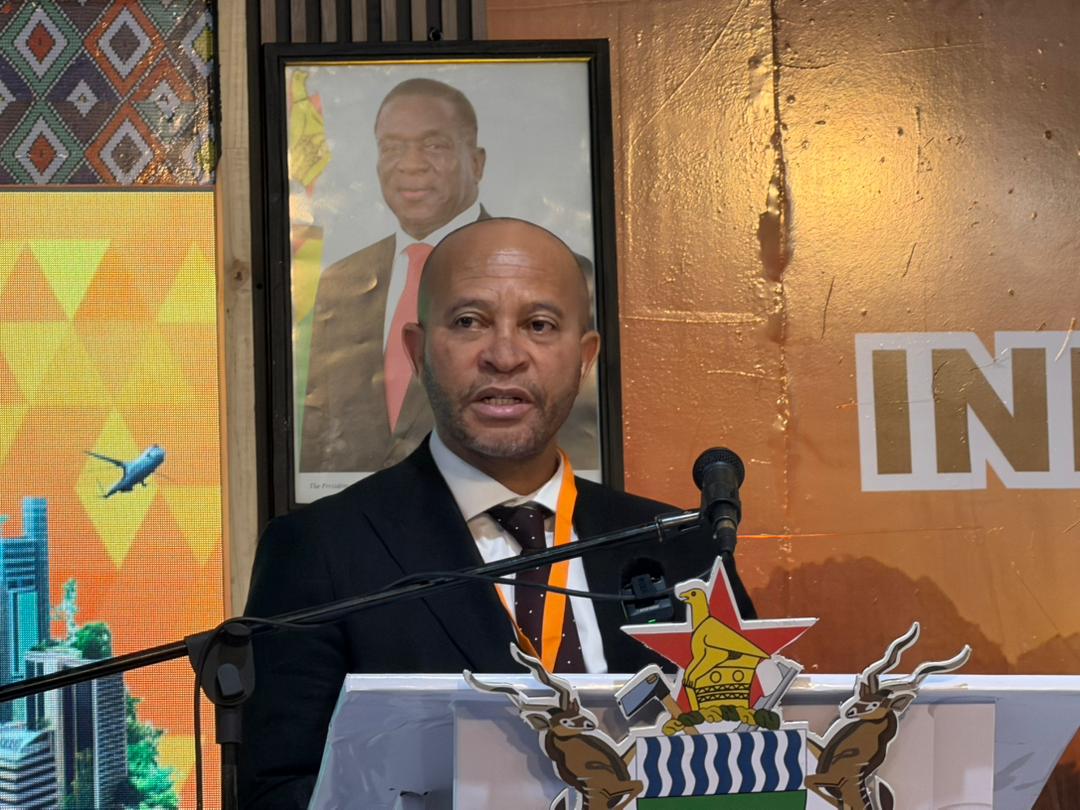
Theseus Shambare in Bulawayo
THE Zimbabwe Investment and Development Agency (ZIDA) has unveiled a rural industrialisation drive anchored on agro-processing, renewable energy and tourism investments as the country moves to transform rural communities into productive economic hubs.
Speaking during an investment indaba held on the sidelines of the Zimbabwe International Trade Fair (ZITF) on Monday, ZIDA chief executive Mr Tafadzwa Chinamo said rural economies hold significant untapped potential and must be integrated into national industrial growth plans.
“Rural economies are important and I’m hoping that I can just share just how some of that can be achieved,” said Mr Chinamo.
He said, while Zimbabwe’s development patterns mirror global trends, the country’s demographics make rural transformation a priority.
“Of a population of 17,5 million or thereabouts, 67 percent of our population lives in the rural areas,” he said.
Mr Chinamo noted that rural Zimbabwe remains dominated by agriculture and primary industries, yet continues to face under-investment despite vast land and natural resource endowments.
He identified infrastructure deficits, low productivity, limited access to finance, post-harvest losses and weak market access as key constraints slowing capital inflows into rural districts.
“If you are going to do anything, you obviously need infrastructure. Today we are talking about things like transportation or road networks, be it rail, electricity, water and other amenities that any business is going to require,” he said.
To unlock growth, ZIDA is prioritising agro-processing opportunities closer to production zones, including medium-scale oilseed crushing plants in farming areas.
Mr Chinamo said Zimbabwe produces significant volumes of soyabeans, sunflower and groundnuts, much of it from communal farmers, but processing remains largely concentrated in urban centres.
Locating processing facilities nearer farms, he said, would cut transport costs, reduce losses and create jobs.
“In our estimates, such a set-up would create easily between 120 and 180 direct jobs,” he said.
The agency is also targeting export horticulture through rural pack houses, cold storage facilities and solar-powered infrastructure in high-value crop zones such as Manicaland and the Lowveld.
Mr Chinamo said improved logistics would help growers consistently meet international export standards for citrus, bananas, macadamia nuts, berries and vegetables.
On energy, he said biomass and biogas projects using agricultural waste could provide reliable electricity for rural industries while reducing dependence on diesel.
“We’re talking here between five to 10 megawatts of biomass and biogas plants,” he said.
In tourism, ZIDA is working with the Ministry of Tourism and Hospitality Industry to promote community-anchored projects linked to attractions such as Great Zimbabwe and other scenic destinations.
“We need now to develop facilities in those areas. We believe that community-anchored tourism is the way to go,” said Mr Chinamo.
He said collaboration between Government, local authorities and investors would be key to ensuring rural industrialisation translates into jobs, exports and broad-based economic empowerment.



 Online Reporter