Vusumuzi Dube
The rise in suicides by young people is a cause for concern. Suicide is a global health problem and has become a priority to the World Health Organisation.
One of the contributory factors is mental health disorders including depression. There are more suicides attributed to depression than any other factor.
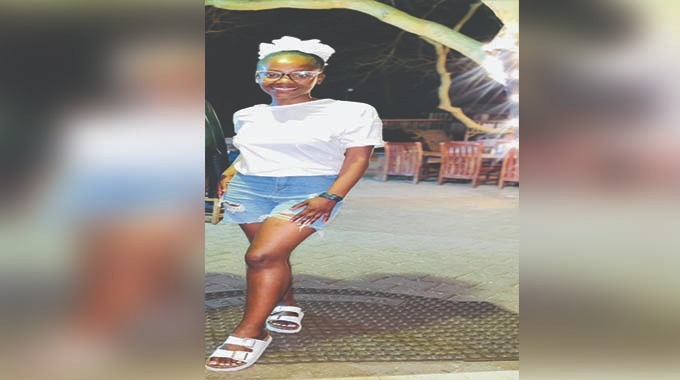
Recently, social media was abuzz with messages of condolences. A young lady, Enhle from a suburb in Bulawayo, passed away after committing suicide. She was a well-known Bulawayo queen, full of energy and life.
She was, what is known today as an influencer, often in attendance at most of Bulawayo’s social events. The news shocked the community since she was known as a happy person with everything good going for her.
A few days after the incident, a popular South African celebrity allegedly informed the community through social media about her intentions to end her life. In her post, she let her followers know that she was tired and tried everything.
Depression can hide in plain sight. It is a condition that has become common among young people in recent years. Someone suffering from depression feels sad for no tangible reason. They spend long periods of time unhappy, hopeless, and generally discouraged. They feel worthless and struggle to make simple decisions.
They lose interest in their friends and activities they usually enjoy. They sleep for long hours or are unable to sleep at all. They always feel tired and their appetite changes. These are just some of the symptoms of depression.
One may seem happy and to the public eye never showing any signs of sadness and hopelessness. In as much as people with depression all show symptoms of sadness and apathy, depression expresses differently to different people.
Women and men express this disorder in different ways. To some, regardless of the amount of success they achieve, they still have feelings of unworthiness. Depression can be an overwhelming feeling that negates success. In this fog, everything seems harder and to the person struggling with depression, sometimes there is no escape.
Suicide is seen as the last resort for many people fighting Depression and other mental health disorders. It is at this stage that some individuals decide there is no hope and the best resort for them is to commit suicide.
Whilst friends and family mourned Enhle’s passing, some individuals in the community called her a coward for ending her life. Suicide has always been seen in a negative light by most people. Others chastised her, blaming her for being selfish and inconsiderate to those left behind. It is never easy to accept the passing of a loved one.
Denial and anger are part of the normal response to death. Suicide is neither a light nor easy decision.
There are a number of misconceptions within the community regarding depression and suicide. The deep feelings of sadness make it difficult for anyone struggling with the condition to perceive any hope.
Someone struggling with depression believes their existence actually causes more harm to their family and friends. The negative constantly outweighs the positive. The many pictures posted on social media are rarely a true reflection of the struggles people are going through. Depression can hide in plain sight.
Other people on social media viewed suicide as a bad decision, regardless of how people explained it. It is unacceptable they twitted. There are those who feel the mere discussion of suicide, normalizes the act within the community. They felt suicide was something to be inhibited, stopped outright and not encouraged. Discussing suicide, helps to bring awareness to the community.
In explaining and trying to understand what happened to the young lady, some people felt there was a sanitization and acceptance of suicide within the community. There are varying views about suicide and everyone has an opinion. It is important to gather more knowledge about depression and suicide.

Enhle’s mother was inconsolable, wailing as she cried for her daughter. She informed mourners that her daughter had bad days just like everyone.
She thought it was just general stress exhibited by most young people and felt that her situation was inevitably going to get better, stress usually just passes. That is the biggest difference between depression and stress. Stress is a reaction to an event, a problem or a situation.
Solving that particular problem, eradicates the stress completely. Stress is temporary, depression on the other hand lasts longer and may be chronic.
Suicide and depression tend to elicit feelings of guilt among close family and friends left behind. The inability to intervene early and avoid such a tragedy is a burden those left behind have to cope with. Early intervention is possible.
Understanding the signs and symptoms of depression and being able to identify these when exhibited by a close friend is a way to combat suicide. Knowing how to identify this horrible condition may mean the difference between suicide and life.
In 2019 the ministry of health together with mental health experts came together to craft a strategic plan for mental health. One of the key points was the improvement of mental health awareness and the empowerment of the community.
Awareness involves educating the community about mental health illness and their symptoms. Education contributes significantly in empowering the community.
In Enhle’s case, educating the community can help others know the signs and symptoms of depression. In the smallest way, it can help family and friends recognize when a family member or friend needs help. Awareness also helps community members know the resources available to them should they need them.
Enhle’s passing was a tragic event that reignited an important conversation. Mental health issues are a part of our daily lives. Depression is treatable and manageable. When a community is empowered and works together, everyone benefits.
The onus is on everyone to know the symptoms and where help is available. When professionals work hand in hand with the community, a lot can be achieved to combat depression and suicide. Help is available at your local clinic or hospital.
Nontando Sibanda is currently studying a Masters in Counseling Psychology with Great Zimbabwe University. She has worked with many organizations including the South African Depression and Anxiety Group.


 Online Reporter