Online Reporter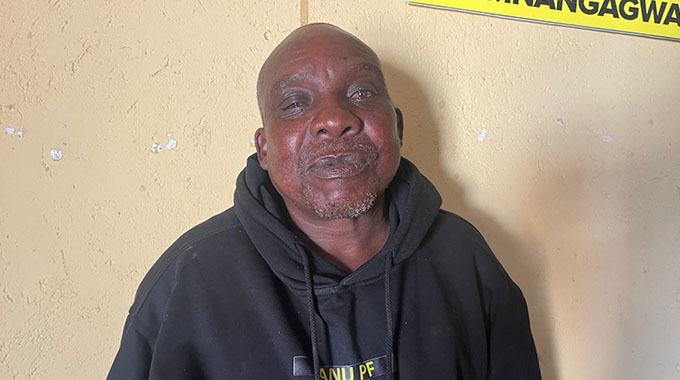
Sukulwenkosi Dube-Matutu, [email protected]
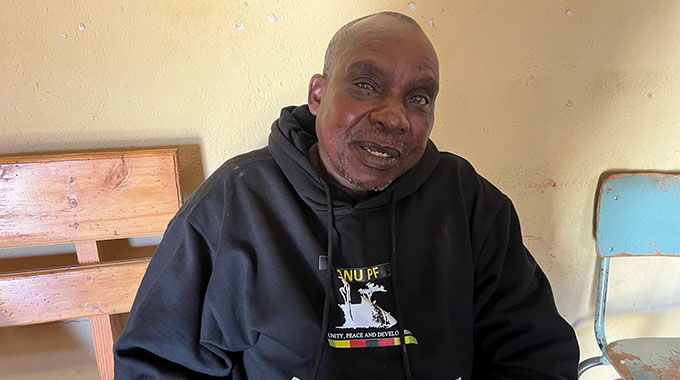
AT just 18-years-old, Zanu-PF Gwanda District Co-ordinating Committee Chairperson, Cde David Linda, made the courageous decision to leave his home in the Halisupi area of Gwanda, Matabeleland South province, and set out with three of his younger peers to join the country’s liberation struggle in 1976.
With only a sack of groundnuts to eat along the way, Cde Linda (67) and his mates trekked for seven days through several villages in Botswana.
Determination and patriotism gave them the strength to soldier on.
Cde Linda said they had answered a call by liberation struggle heroine and nationalist, Cde Jane Ngwenya, over the radio, encouraging the youth to join the country’s liberation struggle.
He said as part of efforts to mobilise forces for the liberation struggle, Zapu cadres in Lusaka, Zambia used a radio station to rally youngsters to join the liberation struggle.
Cde Linda said the oppression, which the black majority was experiencing under white rulership drove them to embark on the long journey to defend the country.
“At that time, public gatherings had been banned and people were being frequently tortured. One method, which the whites used to oppress the black majority was through collection of the dipping levy. On inspection days, those who didn’t bring all their livestock were arrested and charged a fine or even assaulted.
“The blacks were also not allowed to own more than 10 cattle. If your herd exceeded 10, the other animals would be confiscated by the State,” he said.
Cde Linda said he dropped out of Manama High School where he was doing his Form Two. He said it was not difficult to navigate their way into Botswana as they used to herd their animals along the Shashe River. He said while they knew their way into Botswana, they did not know what would happen once they arrived in the neighbouring country.
Cde Linda said upon entering Botswana, some nationals offered them work to herd their cattle but they refused and remained adamant about joining the liberation struggle.
He said several villagers in Botswana offered them a place to sleep and food. It took them seven days to reach Francistown where they were airlifted to Nampundwe Transit Camp in Zambia.
“I left with three of my peers and I was the eldest among them. I was 18 at that time. We managed to get a sack of groundnuts, which we roasted and took with us to eat along the way. We left at around 4PM. We were supposed to be five but one of our peers did not make it to our meeting point on time, so we left him.
“In January the following year, I was delighted to be reunited with over 400 of my peers that I had left at Manama High School who were then taken to join the liberation struggle,” he said.
Cde Linda said when the Manama High group arrived, a new camp known as CGT1 was established to accommodate them. He said others went to a training centre in Angola.
Cde Linda said after eight months of training, he specialised in anti-air strike and later air defence. In 1978, he was appointed commissar of the anti-air strike unit, a position he held up to 1980.
Cde Linda said the enemy’s strategy was to attack comrades while at the training camps in order to disrupt deployment of troops back home. He said it was his duty to counter any air strikes by the Rhodesian army.
Cde Linda said together with his comrades, they managed to derail a number of air strikes, which were targeted at training camps where he was stationed. He said his record strike was when they brought down a Dakota aircraft, which was carrying 150 Rhodesian troops on their way to attack a camp. “I later went for further training in anti-air at the artillery camp CGT2 in Zambia where I was trained in more advanced anti-air equipment. The Rhodesian soldiers were more advanced than us in terms of equipment and machinery but we were very strategic and the hunger and thirst for liberation made us stand out.
“I used to study the model of each aircraft and I would know its speed of travel and altitude. We used this information to determine the kind of weapon I would use. I had mastered, which weapon to use in each strike as well as how to navigate my weapons,” he said.
Cde Linda said in 1981, he was integrated into the Zimbabwe National Army under the Two Brigade and later retired in 1995.
He said as the country commemorates Heroes Day, citizens, especially the youth, should take time to interrogate the importance and relevance of this day.
“The work and sacrifices made by our heroes and heroines is what birthed independence. As comrades, we were united and were like children of the same mother. We knew that in order for us to survive, we needed each other’s protection.
“Up to today, I remember my fellow comrades who didn’t make it back into the country. It’s important for these people to be recognised,” he said.
This year’s Heroes Day commemorations will be held on August 11. The national event will be held at the National Heroes Acre in Harare, with provincial events happening concurrently across the country. Districts will also hold their commemorations at their respective district shrines. The day serves to honour those who sacrificed their lives during the country’s liberation struggle.
Heroes Day is a cherished holiday on Zimbabwe’s calendar, observed annually on the second Monday in August, in honour of Zimbabwe’s liberation war heroes and heroines.
It holds profound significance as a day of rallying the nation together to honour and pay tribute to the courageous men and women, who made the ultimate sacrifice during the protracted 16-year armed struggle and in the post-independence era.
In 1980, the National Heroes Day was officially declared a national holiday after an Act of Parliament to honour fallen heroes. This change allowed the majority of the black population to have more significant participation in memorial ceremonies, parades and other commemorative events in honour of fallen heroes.
It also allowed families and friends to come together and reflect on the sacrifices made by their loved ones and countless others who gave their lives for Zimbabwe.
Heroes Day stands as a solemn reminder of the profound debt of gratitude owed to those who gave their lives to liberate Zimbabwe and preserve its freedoms.
Defence Forces Day celebrations will be held on August 12, with the national celebrations set to be held at Rufaro Stadium. The Matabeleland South provincial event will be held at Phelandaba Stadium, in Gwanda.— @DubeMatutu