Online Reporter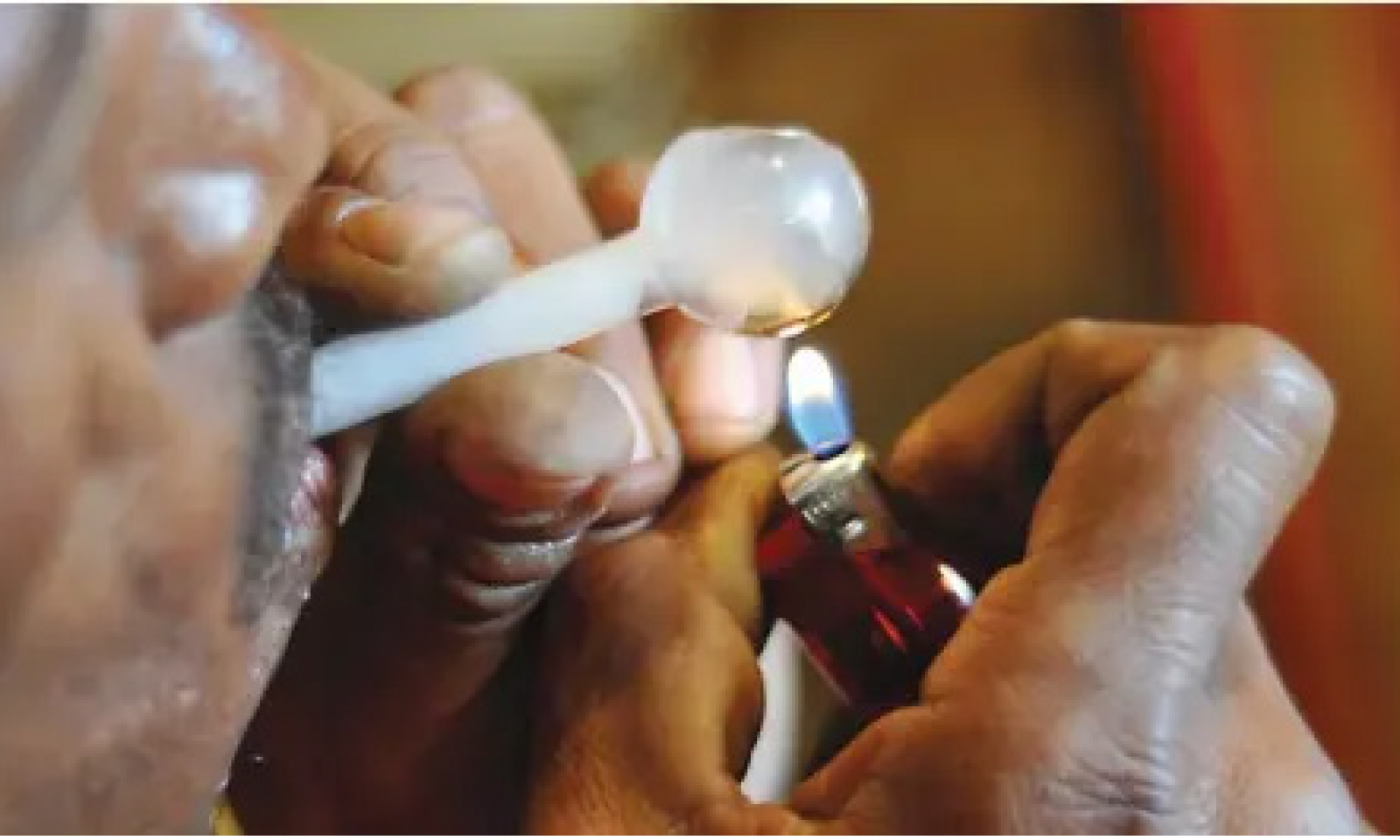
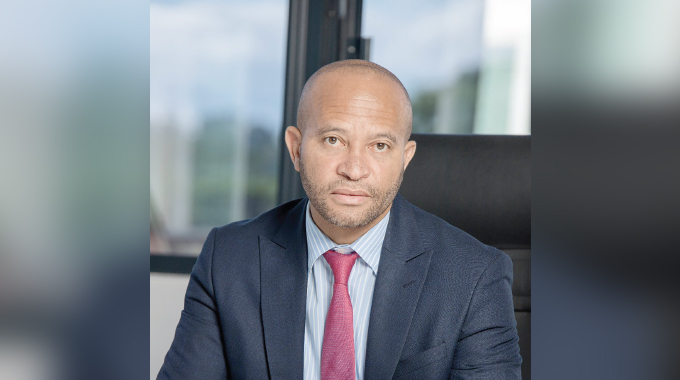
Nick Mangwana
Government Up Close
Zimbabwe is facing a growing crisis of drug and substance abuse, which is having far-reaching consequences for individuals, families, communities, and the nation as a whole. The problem is widespread, affecting people of all ages, backgrounds and socio-economic statuses.
According to recent reports, Zimbabwe has seen a significant increase in the use and abuse of drugs and substances, including marijuana, cocaine, heroin, and methamphetamine. The most vulnerable populations, including youth, women, and children are disproportionately affected.
The consequences of drug and substance abuse in Zimbabwe are dire.
Addiction, health problems, crime, violence and social dysfunction are just a few of the negative outcomes associated with drug and substance abuse. Furthermore, the economic burden of drug and substance abuse is significant, with estimates suggesting that it costs the country millions of dollars each year.
The widespread use of the US dollar in Zimbabwe has inadvertently created a haven for drug peddlers and pushers. These unscrupulous individuals are drawn to the country’s dollarised economy, seeking to capitalise on the lucrative opportunities it presents.
By bringing their illicit merchandise into Zimbabwe, they aim to accumulate as many US dollars as possible, exploiting the country’s porous borders.
This has resulted in a significant influx of illegal substances, further exacerbating the country’s already dire drug abuse crisis.
The dollarisation of Zimbabwe’s economy has essentially turned the country into a magnet for international drug traffickers.
These criminals are well aware that US dollars are highly prized in Zimbabwe, and they are willing to take enormous risks to get their hands on them. By targeting Zimbabwe, they can easily launder their illicit proceeds and accumulate wealth in a stable currency.
This has severe consequences for the country, as it not only fuels the drug epidemic but also undermines the economy.
To combat this issue, Zimbabwe is exploring alternative solutions to mitigate the allure of its dollarised economy to international drug traffickers.
Those who attribute Zimbabwe’s drug problem solely to unemployment are oversimplifying the issue.
A closer examination of the demographics of drug users in Zimbabwe reveals that the narrative of unemployed youths turning to drugs is not entirely accurate.
In reality, the individuals who can afford to indulge in expensive and hard-hitting substances like heroin are often from affluent families residing in upscale neighbourhoods north of Samora Machel Avenue.
These individuals have the financial means to sustain a heroin habit, which belies the notion that unemployment is the primary driver of drug use in Zimbabwe.
In contrast, individuals from lower-income backgrounds are more likely to turn to cheaper and more accessible substances like illicit brews and crystal meth.
This dichotomy highlights the need for a more nuanced understanding of Zimbabwe’s drug problem, one that takes into account the complex interplay of socioeconomic factors, access to education and job opportunities, and cultural influences.
By recognising the different dynamics at play, policymakers can develop targeted interventions that address the specific needs and challenges of different communities, rather than relying on simplistic explanations that fail to capture the complexity of the issue.
The issue of drug and substance abuse in Zimbabwe is often viewed as a national problem, but it is essential to recognise that it is, in fact, a regional challenge.
The Southern African region is plagued by the scourge of drug abuse, with many countries struggling to contain the problem. For instance, South Africa is notorious for its high levels of crystal methamphetamine production and consumption, while Mozambique has become a significant transit point for heroin and other illicit substances.
In Botswana, the abuse of alcohol and marijuana is widespread, particularly among the youth. Even more disturbing is the emergence of New Psychoactive Substances (NPS) in the region.
In Namibia, for example, the use of NPS, such as flakka and khat, has become increasingly prevalent, particularly among young people.
Similarly, in Zambia, the abuse of marijuana and other substances is a significant concern.
These examples illustrate that the issue of drug and substance abuse is a regional problem that requires a collaborative and coordinated response from governments, civil society, and other stakeholders.
Serious solution: The proposed drug and substance abuse agency
In response to the growing crisis of drug and substance abuse, Government has proposed the establishment of the Zimbabwe Drug and Substance Abuse Agency (ZDSA).
It will be responsible for coordinating the country’s response to drug and substance abuse, including prevention, treatment and law enforcement. The proposed agency is a serious solution to the problem of drug and substance abuse in Zimbabwe.
By providing a coordinated and comprehensive approach to addressing the problem, the agency will be able to make a significant impact.
The new agency will be bolstered by legislative reforms and a robust seven-pillar strategic plan, providing a comprehensive framework for tackling the complex issue of drug and substance abuse.
This plan seamlessly integrates law enforcement efforts, healthcare interventions, and community-based initiatives, striving to strike a delicate balance between reducing the supply of illicit substances and applying harm reduction principles.
By adopting this multifaceted approach, the agency aims to address the root causes of substance abuse, provide support and treatment to those affected, and ultimately reduce the devastating impact of this scourge on individuals, families, and communities.
The Zimbabwe Drug and Substance Agency Bill, approved by Cabinet in April 2024, marks a significant milestone in the country’s efforts to combat drug and substance abuse.
This Bill provides the legal framework for establishing the Zimbabwe Drug and Substance Agency (ZDSA) as a specialised security service with prosecutorial authority.
By consolidating enforcement under a single mandate, the agency is empowered to coordinate with key stakeholders, including the Zimbabwe Republic Police, Health Ministry, and local authorities.
The Bill also introduces several key reforms aimed at strengthening the country’s response to drug and substance abuse.
Notably, it prohibits spot fines for drug suppliers, instead requiring mandatory court trials where convictions can result in permanent criminal records and asset forfeiture.
This legislative shift aligns with Zimbabwe’s obligations under three UN drug control conventions, demonstrating the country’s commitment to upholding international standards in its efforts to combat drug and substance abuse.
By providing a robust legal framework, the Bill sets the stage for a more effective and coordinated response to this complex issue.
How the agency will make a difference
The proposed ZDSA will make a significant difference in the fight against drug and substance abuse in Zimbabwe.
The establishment of a national agency is a crucial step in addressing this growing menace. One of the key strengths of this agency is its commitment to providing a coordinated approach to addressing the problem.
By bringing together Government ministries, civil society organisations, and community groups, the agency will be able to harness the expertise and resources of various stakeholders to develop effective solutions.
ZDSA will operate in tandem with the Medicines Control Authority of Zimbabwe (MCAZ), which oversees pharmaceutical regulation under the Medicines and Allied Substances Control Act.
While MCAZ focuses on preventing the diversion of prescription drugs like codeine and benzodiazepines, the ZDSA will target illicit substances such as crystal meth (mutoriro), cocaine, tumbwa and cannabis.
This dual structure allows for a more comprehensive approach to addressing drug and substance abuse in Zimbabwe.
The 2024 reforms have partially decoupled law enforcement from healthcare interventions, enabling the ZDSA to refer non-violent users to rehabilitation programmes rather than prisons.
This shift in approach acknowledges the need for a more nuanced response to drug and substance abuse, one that prioritises treatment and support over punishment and incarceration.
Prevention and education will also be critical components of the agency’s strategy.
The ZDSA will focus on preventing young people from experimenting with drugs and substances in the first place. This will involve working with schools, community groups, and other organisations to develop and implement evidence-based prevention programmes. It aims to prevent the onset of addiction and reduce the demand for illicit substances.
However, prevention and education alone are not enough. The agency will also recognise the need to provide treatment and support services to individuals affected by drug and substance abuse.
This will include counselling, rehabilitation, and reintegration programmes designed to help individuals overcome their addiction and rebuild their lives.
By providing access to effective treatment and support services, the agency will aim to reduce the harm caused by drug and substance abuse and help individuals achieve long-term recovery.
Finally, the agency will work closely with law enforcement agencies to disrupt the supply of illicit drugs and substances, and to bring those involved in the trade to justice.
This will involve sharing intelligence, conducting joint operations, and providing training and capacity-building programmes for law enforcement officials.
By working together, the agency and law enforcement agencies can reduce the availability of illicit substances, disrupt the operations of drug trafficking organisations, and create safer and healthier communities for all Zimbabweans.
Learning from other countries and benchmarking
Zimbabwe’s efforts to combat drug and substance abuse through the establishment of a national agency are not unique.
Many countries around the world have taken similar steps, with remarkable success. By learning from these examples, Zimbabwe can gain valuable insights into effective strategies and best practices in addressing this complex issue.
One notable example is the United States, where the Substance Abuse and Mental Health Services Administration (SAMHSA) plays a critical role in preventing and treating substance abuse and mental health issues.
SAMHSA provides leadership and resources to support the development of effective policies and programmes, which has contributed significantly to the country’s efforts to address substance abuse.
In the African region, South Africa’s Central Drug Authority (CDA) serves as a model for coordinating the country’s response to drug and substance abuse.
By studying these examples, Zimbabwe can gain a deeper understanding of the strategies and approaches that have proven effective in other contexts, and adapt them to suit its unique needs and circumstances.
Zimbabwe’s multi-sectoral approach
Government has established a Multi-Sectoral Drug and Substance Abuse Plan (2024-2030) which is a comprehensive framework that outlines the response to the drug crisis.
Developed through collaboration between Government ministries, UN agencies, and local NGOs, the plan is organised around seven strategic pillars: supply reduction, demand reduction, harm reduction and treatment, community reintegration, policy harmonisation, research and surveillance, and international cooperation.
To support the implementation of the plan, a levy on alcohol and tobacco sales is being considered to fund rehabilitation centres.
So far, 14 new outpatient clinics have been operationalised, and US$12 million has been allocated for methadone imports. However, challenges persist, including understaffed rural facilities and outdated forensic equipment.
Law enforcement has been intensified, with 677 suppliers and 5 471 end-users arrested between January 2024 and March 2025.
Courts have imposed sentences of up to 15 years for suppliers, a significant increase from the previous average of three years. The Law Enforcement Agencies’ Narcotics Destruction Unit has also incinerated 4.2 tonnes of seized drugs.
The economic and social impact of drug abuse in Zimbabwe is significant, with an estimated annual cost of US$780 million. The mining sector reports a 22 percent absenteeism rate linked to substance use, while 14 percent of road accidents involve intoxicated drivers.
To address these challenges, the Multi-Sectoral Plan allocates US$20 million for microloans to young entrepreneurs, conditional on mandatory drug tests and counselling.
ZDSA will provide a coordinated and comprehensive approach to addressing the problem, focusing on prevention, treatment, and law enforcement.
By learning from the experiences of other countries, Zimbabwe can ensure that its agency is effective and efficient in addressing this critical challenge.
The devastating reality of drug and substance abuse in Zimbabwe is a complex issue that requires a comprehensive and multifaceted approach.
The establishment of the ZDSA is a significant step towards addressing this crisis.
By providing a coordinated approach to prevention, treatment, and law enforcement, the agency has the potential to make a meaningful impact. Ultimately, a sustained and collective effort is required to address this crisis and create a safer and healthier society for all Zimbabweans.