Gibson Mhaka, Zimpapers Politics Hub
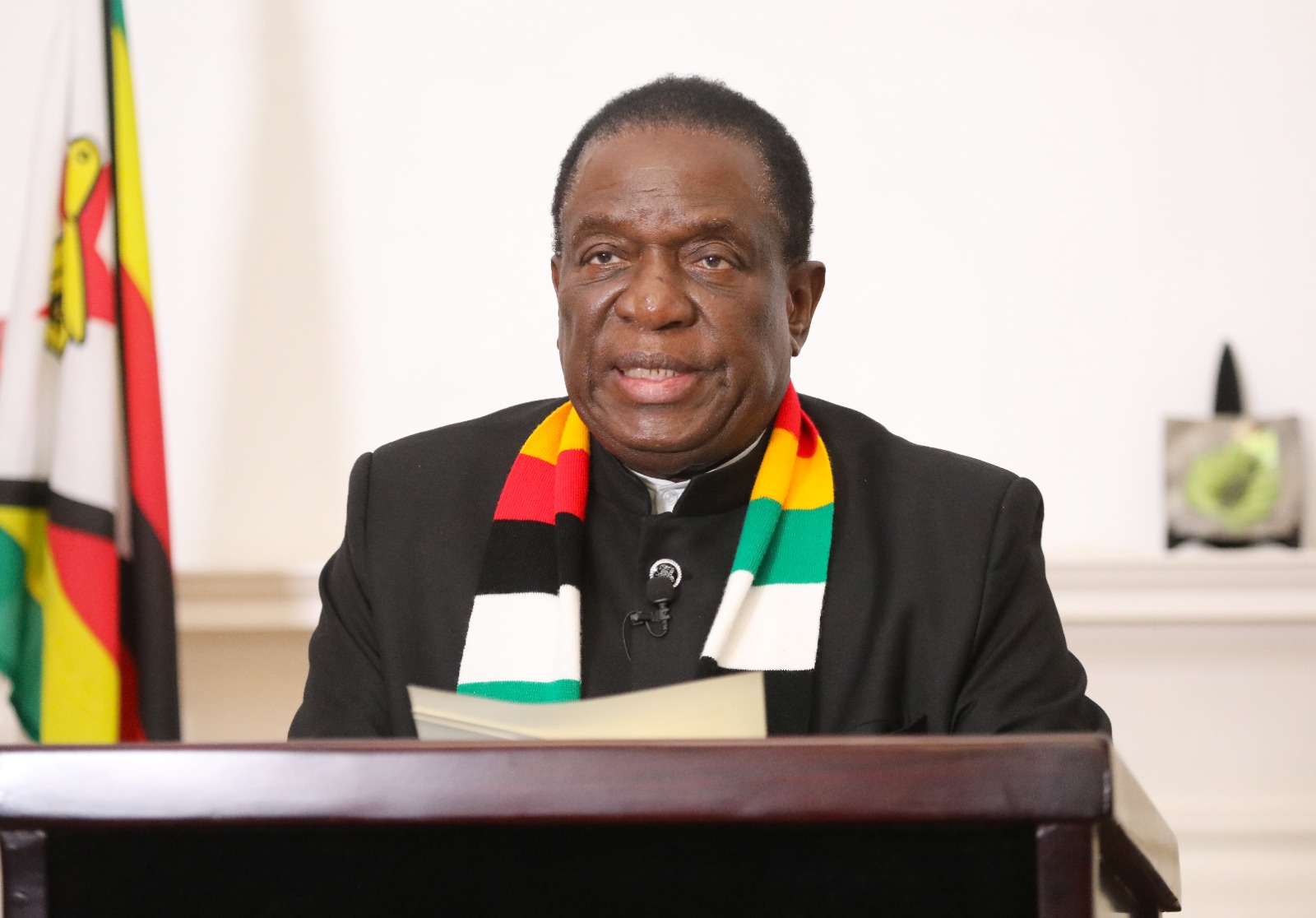
PRESIDENT Mnangagwa’s call for Common Market for Eastern and Southern Africa (COMESA) member states to strengthen strategic partnerships, remove barriers to trade and invest in value addition comes at a critical moment for a region whose economic potential remains greater than its level of integration.
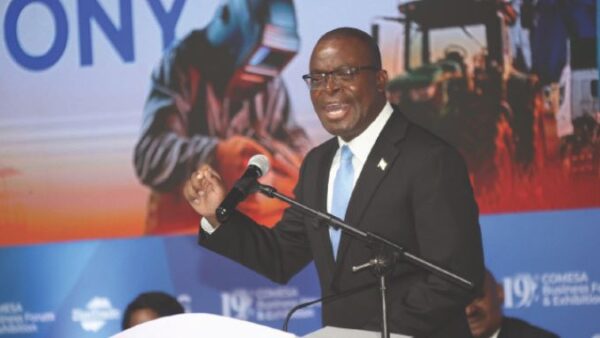
Addressing the 19th COMESA Business Forum and Exhibition in Harare on Tuesday, the President challenged governments and business leaders to develop practical measures that expand intra-regional trade, stimulate investment, create jobs and improve living standards.
His message was timely, as regional cooperation should translate into tangible economic gains rather than remain an aspiration repeated at conferences.

The Business Forum, co-convened by the COMESA Business Council, ZimTrade and the Zimbabwe National Chamber of Commerce, in partnership with COMESA and the Government, provides a platform for translating policy commitments into practical business opportunities. Its recommendations are expected to inform the 25th COMESA Heads of State and Government Summit in Harare.
“I challenge the Business Forum, therefore, to hold frank and bold dialogue that will help scale up regional trade and investment, identify practical solutions and forge partnerships that allow businesses to produce, invest, trade and create jobs across our common market,” President Mnangagwa said.
The President’s call places implementation at the centre of the regional agenda. Despite the opportunities presented by COMESA’s combined markets, intra-regional trade and investment remain relatively low.
Rules of origin, non-tariff barriers, lengthy customs procedures and high transport costs continue to undermine the movement of goods and services.
Addressing these obstacles is essential if member states are to build a genuinely integrated market.
Governments should harmonise procedures, improve border efficiency and ensure predictable regulations, while businesses must develop partnerships that connect producers, processors and consumers across national boundaries.
President Mnangagwa said the region needed to address the constraints while taking advantage of opportunities to expand production and investment.
“Intra-COMESA trade and investment remain significantly low. This gap presents both a challenge, as well as an opportunity,” he said.
The private sector has a critical role in turning that opportunity into productive activity. Partnerships linking farmers, manufacturers, logistics operators and retailers across member states can widen markets, strengthen supply chains and attract investment.
Their success, however, must be measured by actual production, trade and employment rather than agreements signed at conferences.
Value addition is central to this transformation. Exporting raw commodities may generate revenue, but processing them locally retains more value, develops technical skills and creates employment along the production chain.
President Mnangagwa cited Zimbabwe’s December 2022 decision to restrict exports of unprocessed lithium ore as part of efforts to accelerate industrialisation and retain value at source. He also identified opportunities in agro-processing, leather, cotton-to-clothing production, pharmaceuticals, battery materials and clean-energy technologies.
“Private sectors are urged to move decisively from the export of commodities towards value addition, beneficiation and manufacturing,” he said.
The challenge is to ensure that value addition is supported by reliable energy, infrastructure, finance, skilled labour and consistent policies.
Regional cooperation can connect mineral producers with manufacturers, agricultural producers with processors and businesses with markets across borders.
Such arrangements would help member states move beyond dependence on raw commodity exports towards more diversified economies capable of creating sustainable employment. Young people and women, in particular, stand to benefit from opportunities in manufacturing, processing, technology and related services.
The President also urged COMESA to strengthen productive capacity and remove trade barriers in ways that complement the African Continental Free Trade Area. Cross-border investment should connect economies through mutually beneficial regional value chains, instead of remaining confined to isolated national projects.
Equally important is the region’s transition towards cleaner and more resource-efficient industrial production.
The call for a COMESA Circular Economy Fund to finance cleaner production and promote green industries is, therefore, a welcome development at a time when manufacturers must balance economic growth with environmental sustainability.
At the COMESA Green Industries Connect forum in Harare, Industry and Commerce Minister Mangaliso Ndlovu emphasised that member states should move beyond commitments and implement agreed regional programmes.
“Our immediate responsibility is to convert these commitments into implementation,” he said.
The minister was referring to commitments made at the September 8, 2026 meeting of COMESA ministers responsible for industry and investment, which included promoting an inclusive transition to a circular economy and supporting green and circular businesses.
The emphasis on implementation is important because industrial transformation requires investment, institutional coordination and clear accountability.
Regional strategies can provide direction, but their success depends on whether governments incorporate agreed priorities into national programmes and create conditions that encourage businesses to invest.
Minister Ndlovu also stressed the importance of private-sector participation, noting that governments must provide predictable policies, appropriate regulation, laboratory infrastructure and a conducive investment environment.
“Businesses in turn must identify viable opportunities, invest in productive capacity, adopt cleaner technologies and strengthen their participation,” he said.
A circular economy seeks to reduce waste by keeping materials in productive use through repair, reuse, recycling and resource recovery. For industry, this approach can reduce raw-material losses, improve energy efficiency and create new commercial opportunities from materials previously discarded.
The proposed COMESA Circular Economy Fund could help overcome one of the major obstacles to this transition: the cost of adopting cleaner technologies.
Many manufacturers, particularly smaller enterprises, struggle to finance energy-efficient machinery, renewable-energy systems, water-recycling equipment and waste-processing facilities.
Affordable financing could help businesses modernise production, reduce operating costs and become more competitive. It could also support regional recycling networks, sustainable packaging, cleaner mineral processing and the conversion of agricultural waste into useful products.
However, the fund’s effectiveness would depend on transparent management, clear eligibility criteria and measurable targets for investment, environmental performance and job creation. Funding should reach viable projects across member states, including enterprises owned by women and young people.
Minister Ndlovu said Zimbabwe was working with the Climate Technology Centre and Network on a national decarbonisation roadmap, with further opportunities in iron and steel, mineral processing and manufacturing.
He noted that investment in renewable energy, efficient machinery and water-recycling systems could deliver environmental benefits while lowering production costs and strengthening industrial capacity.
These priorities complement the COMESA Industrialisation Strategy and Action Plan, which identifies agro-processing, leather, textiles, energy and minerals as important sectors for regional development. Stronger cooperation in recycling and resource recovery could further connect businesses and create markets for recovered materials.
Ultimately, the two initiatives are closely linked. Removing trade barriers allows goods, technology and investment to circulate more efficiently, while value addition strengthens productive industries and circular production improves resource efficiency.
Zimbabwe has an opportunity to advance these priorities through partnerships in agriculture, mining, manufacturing, energy and infrastructure. The measure of success will be whether regional commitments translate into increased investment, competitive industries, expanded trade and decent jobs.
A stronger COMESA market, supported by effective financing for green industries, could turn regional cooperation into practical economic progress and improve livelihoods across the bloc.