Lloyd Makonya
Correspondent
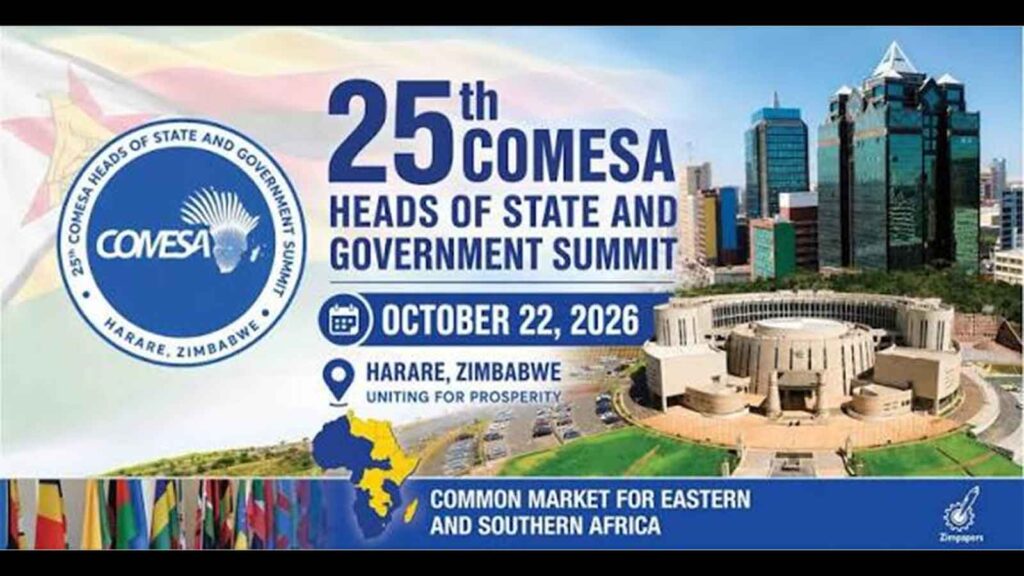
WHEN Zimbabwe hosts the 25th COMESA Summit in Harare in about 10 days’ time, the conversation will understandably focus on trade, investment, industrialisation and the promise of a regional market of hundreds of millions of consumers.
Beyond the meetings, exhibitions, business deals and diplomatic engagements lies a more fundamental question of how much value can Zimbabwe actually capture from the opportunities that COMESA presents?
This is important because market access alone does not transform an economy. Zimbabwe can sell more products into Zambia, Malawi, Kenya, Rwanda, Egypt or other COMESA markets and still miss the bigger opportunity if these products leave the country with little processing, limited local intellectual property, low domestic content and few high-value jobs attached to them.
The real prize is, not simply to export more, but to export more value. That distinction should be at the centre of Zimbabwe’s COMESA conversation. COMESA is a market of 21 countries, but intra-regional trade remains surprisingly small.
COMESA’s latest trade figures put intra-COMESA exports at about US$14 billion in 2024, compared with approximately US$202 billion in exports to the rest of the world.
In other words, only around seven percent of COMESA’s exports were destined for fellow COMESA markets.
These figures tell two stories, first is that African countries still have considerable room to trade more with one another. The second is that the opportunity will not automatically translate into industrialisation. Countries will have to deliberately build the productive capacity to supply one another with increasingly sophisticated goods and services.
Zimbabwe has abundant mineral resources, agricultural production, manufacturing capacity, technical skills and a growing pool of entrepreneurs. Yet, the country’s export basket remains heavily influenced by commodities and primary products.
The Reserve Bank of Zimbabwe noted in its economic review that the country’s export basket remains predominantly composed of primary commodities, with gold, tobacco and platinum group metals accounting for significant shares of exports.
The challenge, therefore, is not simply to increase the volume of exports. It is to increase the value captured before these exports leave Zimbabwe.
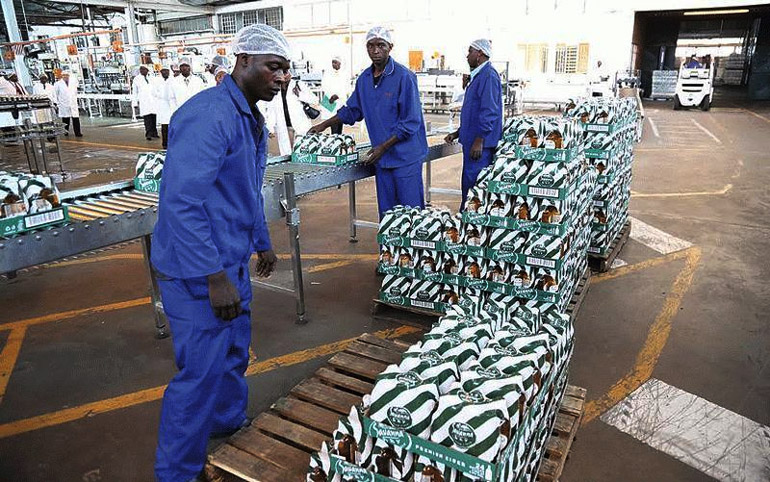
A tonne of mineral ore leaving the country is not the same economic proposition as processed material, an intermediate industrial input, a finished component or a manufactured product containing that mineral.
Each additional stage of processing can potentially create opportunities for engineers, technicians, manufacturers, transporters, researchers, financiers, designers, software developers, marketers and other businesses. That is what beneficiation should ultimately mean and this can help deliver Zimbabwe’s vision of an upper middle-income economy by the year 2030.
This is an economic strategy for creating more value, more businesses and more skilled employment around Zimbabwe’s natural resources, as the country drives its heritage-based philosophy forward.
The same principle applies to agriculture. Zimbabwe should not approach the COMESA market merely as an exporter of tobacco, cotton, horticultural produce, grain or other agricultural commodities.
The bigger opportunity lies in developing food-processing, packaging, branding, cold-chain logistics, agricultural technology and other industries around those commodities.
The economic objective should be to ensure that as much of that value chain as possible is anchored in Zimbabwe and where this is not practical, within the wider African regional economy.
This is where COMESA becomes more than a trading arrangement, but a platform for regional value chains. Zimbabwe does not have to manufacture everything itself.
A Zimbabwean company could supply processed agricultural inputs to Zambia, source specialised components from Kenya, use technology developed in Rwanda and sell the finished product across several COMESA markets. That is a more sophisticated form of regional integration than simply moving finished goods across borders.
It is also closer to the meaning of the theme of this year’s summit: ‘One Market, One Future: Advancing Inclusive Industrialisation, Investment and Regional Integration in COMESA’.
COMESA’s own recent industrialisation discussions have identified sectors such as agri-food, pharmaceuticals and mineral beneficiation as areas with potential for sustainable industrialisation, value chains and decent jobs.
Zimbabwe should therefore enter the October conversation with a clear interest in where it can position itself within these regional value chains.
The numbers also show why these matters.
In March this year, industrial trade reports published by the Zimbabwe National Statistics Agency (ZimStat) show Zimbabwe exported goods worth about US$228 million to COMESA.
Iron and steel and their products accounted for 30,2 percent of that value, followed by coke and semi-coke of coal at 13,5 percent, tobacco products at 13 percent and bituminous coal at 10,7 percent.
During the same month, Zimbabwe imported about US$65,2 million worth of goods from COMESA.
It is also important to note that the regional bloc has already established mechanisms intended to make cross-border trade easier.
Zimbabwe is among the five COMESA member states implementing the electronic Certificate of Origin, while the COMESA Electronic Single Window is being implemented across 15 member states, including Zimbabwe. These developments matter because competitiveness is not determined by the factory gate alone.
A product can be competitively manufactured and still become uncompetitive if customs delays, transport costs, documentation requirements or other non-tariff barriers make it expensive to move across borders.
Ultimately, the success of COMESA should be measured, not merely by the agreements signed, investment pledges announced or trade volumes recorded during the summit, but by the lasting economic value created for local producers.
Zimbabwe must seize this opportunity to build competitive industries, strengthen local supply chains, expand value addition and ensure that its entrepreneurs, farmers, manufacturers and innovators benefit from access to a wider regional market. This requires sustained investment in infrastructure, technology, skills development and research, alongside policies that encourage local production and the commercialisation of indigenous knowledge and innovation.
As Zimbabwe pursues its Vision 2030 aspirations, COMESA must become more than a gateway for trade; it must serve as a catalyst for industrial growth, decent employment and sustainable economic development. The summit may open the doors to a regional market, but Zimbabwe’s long-term success will depend on what the country produces, the value it adds and the prosperity it retains long after the October spotlight has faded.