admin
admin
Michael Makuza, Business Reporter
THE Common Market for Eastern and Southern Africa (Comesa) has called for a harmonised regional policy framework that will help facilitate enhanced fertiliser agribusinesses.
This comes amid concerns over low usage of the fertiliser in the region when compared to the rest of the world. The discussion on optimising the commodity usage to boost yields came under the spotlight during a recent Regional Public Private Dialogue on the Future of Fertiliser and Agro-Inputs in Africa, which was held in Lusaka, Zambia.
Estimates indicate that Africa currently uses about 22,5kg of fertiliser per hectare while Europe is at 157kg per hectare.
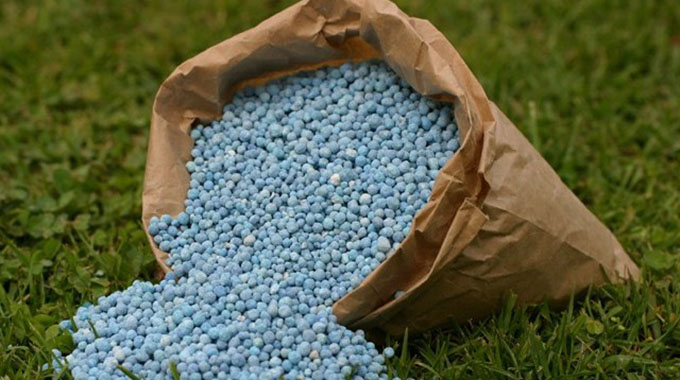
In a statement following the meeting, Comesa senior fisheries and livestock officer, Dr Yoseph Mamo, was quoted as saying that the low fertiliser usage was due to the high costs of inputs, low supply and a lack of infrastructure to produce the commodity in the region.
He emphasised the need for a harmonised regional policy that will help facilitate fertiliser agribusinesses, having a joint procurement system for agro inputs for member States and development of a viable regional industry through joint industrial parks.
“Despite this low usage, there is a positive turn from 2020, as demand for nitrogen fertiliser has increased the fastest in Africa compared with other regions,” said Dr Mano.
“This shows that there is a huge gap to be used as an opportunity to create jobs and businesses.”
The dialogue platform was organised by the African Fertiliser Agribusiness Partnership (AFAP) in collaboration with Comesa’s specialised agency, the Alliance for Commodity Trade in Eastern and Southern Africa (ACTESA).
AFAP chief executive officer, Mr Micheal Sudarkasa, said they organised the Public Private Dialogues (PPDs) as consultations between governments and the private sector to identify and resolve policy and regulatory constraints to the commercial supply of fertiliser within the region.
The dialogue was part of AFAP’s response to multiple adverse events including Covid-19 that have impacted global supply chains giving rise to fertiliser shortages, escalated fuel prices and inflationary food prices.
“The PPDs will meaningfully contribute to the crafting of an Action Plan during the upcoming African Union’s June 2023 African Fertiliser and Soil Health Summit,” said Mr Sudarkasa.



 Online Reporter