Lloyd Makonya
Correspondent
AS Harare enters the final stretch of preparations to host the 25th Common Market for Eastern and Southern Africa (COMESA) Summit from October 19 to 22, the focus should extend beyond the diplomatic engagements to the commercial relationships that can emerge from bringing regional leaders, investors, entrepreneurs and policymakers together.
There is a simple, but important distinction between hosting a regional summit and becoming a regional business destination. The former brings people together for dialogue, while the latter creates lasting economic relationships, investment flows and opportunities for businesses to grow beyond national borders.
For Zimbabwe, the opportunity lies in turning the COMESA spotlight into commerce at a time the newly minted Economic Development and Investment Promotion Minister, Dr Kudakwashe Tagwirei is still settling in his chair.
The 19th COMESA Business Forum, scheduled for October 20 at the Harare International Conference Centre, will provide a particularly important platform for this ambition.
Bringing together businesses, investors, financial institutions and policymakers, the forum is intended to strengthen regional trade, unlock investment opportunities and advance industrialisation.
A multisectoral exhibition running from October 19 to 21 will provide another opportunity for companies to showcase their products, technologies and services to regional and international audiences.
These engagements matter because business expansion often begins with a connection. A manufacturer meets a distributor, an exporter identifies a buyer, an entrepreneur finds a potential investor, or a tourism operator establishes a relationship with a regional travel agent.
Zimbabwean businesses must approach these platforms with more than brochures and business cards. They need clearly defined products, competitive pricing, reliable production capacity, appropriate certification and the ability to fulfil orders consistently.
Regional buyers may be attracted by a well-presented product, but sustained business depends on quality, trust, delivery and competitive terms.
The scale of the opportunity is considerable.
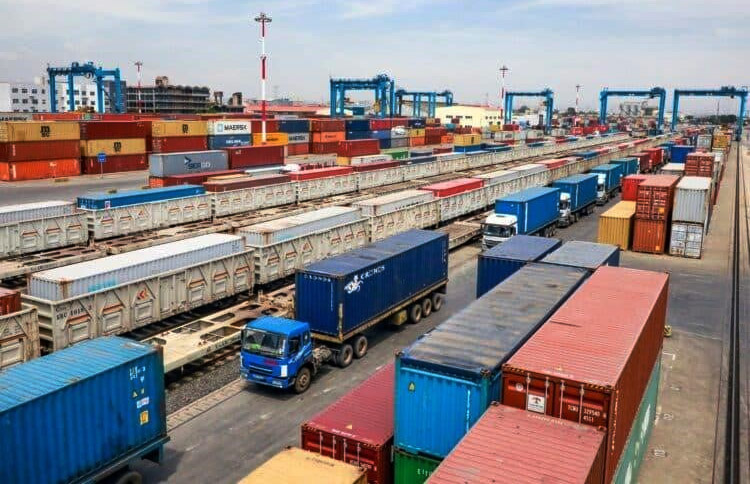
ZimTrade has highlighted that COMESA provides access to a regional market of more than 640 million people, with a combined gross domestic product of approximately US$1 trillion.
For Zimbabwean businesses seeking to expand beyond the domestic market, this represents a substantial pool of potential customers and commercial partners.
Yet the size of a market should not be confused with guaranteed demand. Businesses must identify where their products have a competitive advantage, understand the requirements of their target markets and develop the capacity to serve customers beyond Zimbabwe’s borders.
This is where commerce must become a deliberate national business strategy rather than an activity concentrated around summit week.
Agriculture and agro-processing offer one avenue. Zimbabwean producers can explore regional markets for processed foods, horticultural products, packaged agricultural goods and other products that meet buyers’ requirements.
Mining and manufacturing offer opportunities to supply processed materials, industrial inputs and finished products.
Technology firms and professional service providers can also explore partnerships across the region, particularly as digitalisation becomes increasingly important to trade and industrial development.
Tourism should not be overlooked. The presence of regional delegates and business leaders offers an opportunity to showcase Zimbabwe’s tourism experiences, hospitality services and investment potential. However, the longer-term objective should be to build relationships with regional tour operators, travel agencies and corporate clients that continue generating business after the delegates return home.
For small and medium-sized enterprises, participation in regional commerce can be challenging. Finance, transport costs, market information, certification requirements and limited production capacity can prevent otherwise promising businesses from fulfilling export orders. Access to a regional market is meaningful only when enterprises have the practical means to enter and compete in it.
This makes the role of trade-support institutions, financial institutions, business associations and government agencies particularly important. They must help businesses identify opportunities, understand export procedures, access financing and navigate the requirements of regional markets. Equally, digital trade systems and more efficient border procedures can reduce the costs and delays that undermine competitiveness.
The summit’s emphasis on inclusive industrialisation, investment and regional integration therefore has direct implications for the private sector. Regional integration must be visible not only in policy declarations but also in the everyday operations of companies trading across borders.
For Zimbabwe, the measure of success should ultimately be whether the connections made in Harare translate into tangible commercial outcomes. Businesses should maintain contact with prospective buyers, document commitments, establish delivery timelines and track the commercial results of their participation. Business associations and trade-promotion institutions can help sustain these relationships by connecting enterprises with verified opportunities and monitoring progress beyond the event.
Hosting COMESA provides Zimbabwe with a valuable platform to present itself as a place to do business. But reputation is built over time, through reliable products, predictable business processes, quality services and the ability to honour commercial commitments.
COMESA: Turning regional connections into business