Sharon Jiyamwa
Herald reporter
Zimbabwe has called on member states of the Common Market for Eastern and Southern Africa (COMESA) to harness their shared cultural heritage to promote regional integration, tourism, trade and industrial development.
Speaking at a cultural dinner dance held on the sidelines of the COMESA Summit in Zimbabwe, Foreign Affairs and International Trade Minister Professor Amon Murwira said cultural identity and indigenous knowledge were important foundations for sustainable economic development and African self-reliance.
He said Africa’s liberation struggle was not only about political independence but also restoring indigenous beliefs, languages, food and cultural values that had been undermined during colonial rule.
“First, you remove them from their beliefs and spirituality. Second, you move them from their food and say that food is not sophisticated,” Professor Murwira said.
“They remove you from your culture and language, then it is complete. You begin to doubt yourself.”
Professor Murwira said Africa needed to reclaim its heritage and use its natural resources and indigenous knowledge to create economic opportunities.
He said Zimbabwe’s foreign policy, guided by the Constitution, promoted regional and Pan-African economic and political integration, while the State was also mandated to preserve and promote indigenous knowledge systems, cultural values and heritage.
He said cultural cooperation complemented COMESA’s objectives of promoting sustainable economic development, trade and regional solidarity.
“Political integration remains incomplete without sovereign economic development, and a region cannot claim true sovereignty if it cannot feed its citizens and add value to its critical mineral endowment as well as agricultural resources,” he said.
Professor Murwira urged member states to strengthen cooperation in infrastructure development, digital trade facilitation, industrialisation and investment promotion.
He said regional integration should benefit ordinary citizens, including small-scale producers, artisans and businesses seeking access to wider markets.
The minister also highlighted heritage-based industrialisation, using locally available resources to develop products and create wealth.
Using marula wine as an example, he said communities could transform indigenous fruits into commercial products through innovation and value addition.
“This is what we call heritage-based industrialisation. If you want to beat poverty, take from the tree that is next to your home. Trees grow; just have stewardship over them and you can be rich from that wealth,” he said.
COMESA Secretary-General Ms Chileshe Mpundu Kapwepwe said cultural heritage could strengthen regional markets by connecting communities, businesses and tourism destinations.
She said tourism generated demand for accommodation, transport, local food and products, creating opportunities for small businesses and employment, particularly for women and young people.
Ms Kapwepwe said COMESA was developing a sustainable tourism framework to connect destinations across the region, improve their visibility and position them as competitive and sustainable tourism offerings.
She said creative industries, including music, film, fashion, design, crafts and visual arts, also had the potential to generate economic opportunities through regional partnerships and digital platforms.
“Together, we can turn our shared heritage into shared prosperity, our cultural diversity into a competitive advantage, and our borders into bridges connecting people, business and destinations,” she said.
Tourism and Hospitality Industry Minister Barbara Rwodzi said culture and tourism were inseparable, adding that shared meals and cultural experiences helped strengthen relationships among African countries.
She cited the Kavango-Zambezi Transfrontier Conservation Area (KAZA), which brings together Zimbabwe, Zambia, Botswana, Namibia and Angola, as an example of regional cooperation built around shared natural resources.
Minister Rwodzi said wildlife migration across national borders demonstrated the importance of cooperation, while the KAZA UniVisa had made it easier for international tourists to visit participating countries.
She said Zimbabwe and Zambia should jointly market Victoria Falls as a shared natural attraction rather than compete over its ownership.
“Zimbabwe is a world of wonders, and the wonders start with us, the people of Zimbabwe,” she said, describing the country’s hospitality and resilience as important tourism assets.
Minister Rwodzi said Zimbabwe recorded 1,8 million tourist arrivals in 2025, up from 1,6 million in 2024, representing a 10 percent increase.
She added that domestic tourism rose from five million trips in 2025 to approximately 6,4 million in the second quarter of 2026, representing a 27 percent increase.
Tourism investment also increased significantly, with US$132 million recorded in the first half of 2026, compared with US$40 million during the corresponding period in 2025.
Minister Rwodzi said the figures demonstrated growing confidence in Zimbabwe’s tourism sector and called on regional partners to strengthen cross-border tourism and investment.
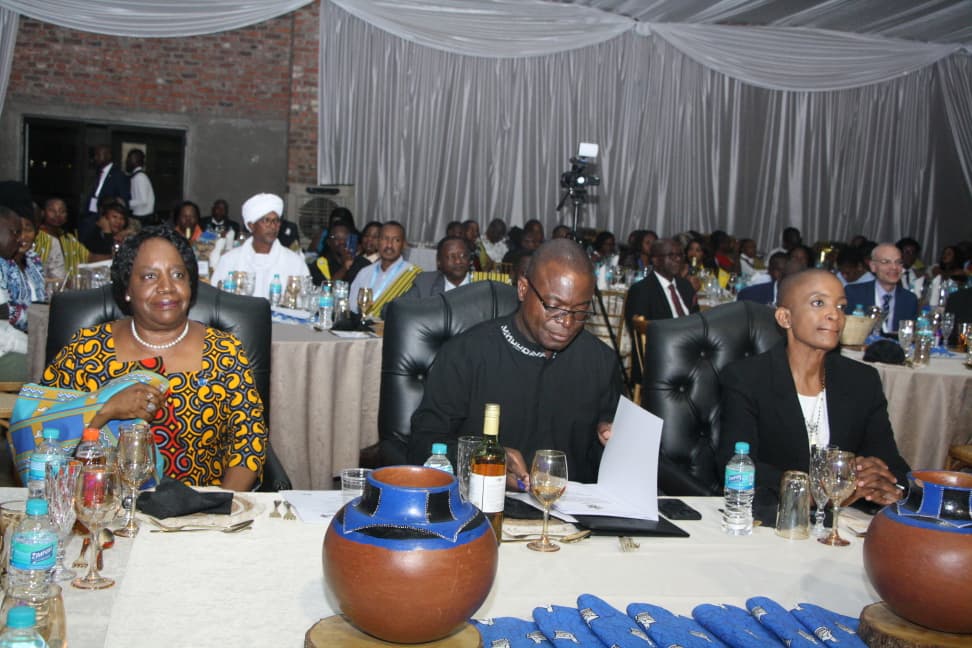
The cultural dinner and dance formed part of activities associated with the COMESA Summit, providing a platform for delegates to celebrate the region’s diverse cultural traditions while exploring opportunities for closer economic cooperation.