Ivan Zhakata
Herald Correspondent
ZIMBABWE has drilled 142 boreholes at correctional facilities and another 231 through the Zimbabwe Republic Police (ZRP) to improve water supplies and sanitation for inmates and suspects in police holding cells.
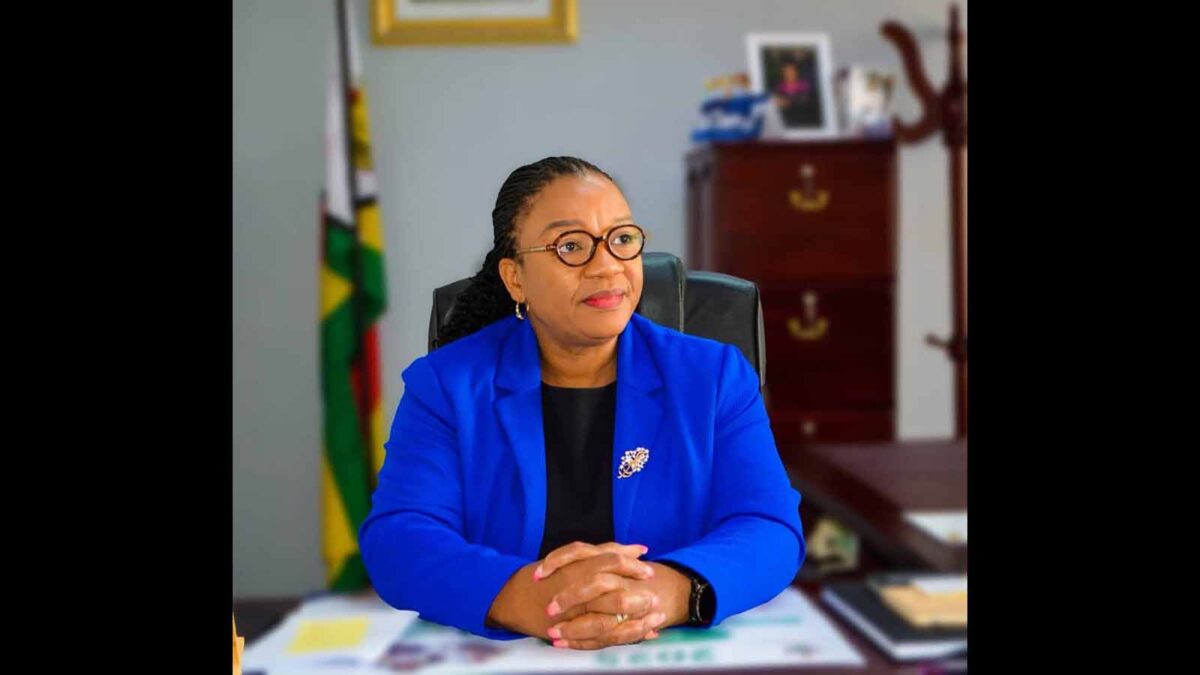
Permanent Secretary in the Ministry of Justice, Legal and Parliamentary Affairs, Mrs Vimbai Nyemba said the interventions were part of Government efforts to address water shortages and improve the living conditions of people deprived of their liberty.
In an intervention during the 89th Ordinary Session of the African Commission on Human and Peoples’ Rights in Dakar, Senegal, Mrs Nyemba said access to safe water and basic sanitation was essential to protecting the health and dignity of prisoners.
“Access to safe water and basic sanitation is fundamental to the health and dignity of persons deprived of their liberty. It is closely tied to the rights protected under Articles 4 and 5 of the African Charter and standards in the Nelson Mandela Rules,” she said.
Mrs Nyemba welcomed the March 2026 visit by the Special Rapporteur on Prisons, Conditions of Detention and Policing in Africa and the subsequent report, which found that general hygiene conditions in the facilities visited were acceptable despite congestion.
Mrs Nyemba said the interiors and surrounding areas appeared clean and that inmates showed no visible signs of fatigue or suffering.
However, she raised concerns over water shortages, with inmates reportedly storing water in their cells for use when needed.
“The Government accepts this observation in the constructive spirit in which it was made,” Mrs Nyemba said.
She said the Government was implementing measures to improve water supply, sanitation and hygiene at correctional facilities and police holding cells.
“Water infrastructure is being upgraded, with 142 boreholes having been drilled at correctional facilities to secure a reliable supply of safe drinking water for inmates, and to support hygiene and sanitation,” she said.
Mrs Nyemba said the ZRP had drilled 231 boreholes to supplement existing water supplies and improve sanitation in police holding cells.
Government is also constructing modern kitchens fitted with fuel-efficient pots and washing sinks at selected prison facilities to address open-air cooking and unsanitary food handling.
Targeted renovations are underway at specialised facilities, including Mlondolozi Prison, to improve space, ventilation, natural lighting, water supply and sanitation for inmates receiving mental health care.
Mrs Nyemba said the Zimbabwe Prisons and Correctional Service has also launched pilot projects to manufacture chlorine disinfectant on-site using basic ingredients.
The initiative is expected to reduce reliance on expensive commercial products while ensuring a reliable supply of essential materials for sanitation.
“Zimbabwe remains committed to implementing the Special Rapporteur’s recommendations and to constructive engagement with the Commission,” she said.
She called for continued guidance and the exchange of experiences with other African countries and partners on practical, affordable and sustainable water and sanitation solutions for correctional facilities.
Mrs Nyemba also congratulated the Commission on the launch of its Newsletter on Human Rights and Policing and described it as a useful tool for sharing information and good practices among member states.