Online Reporter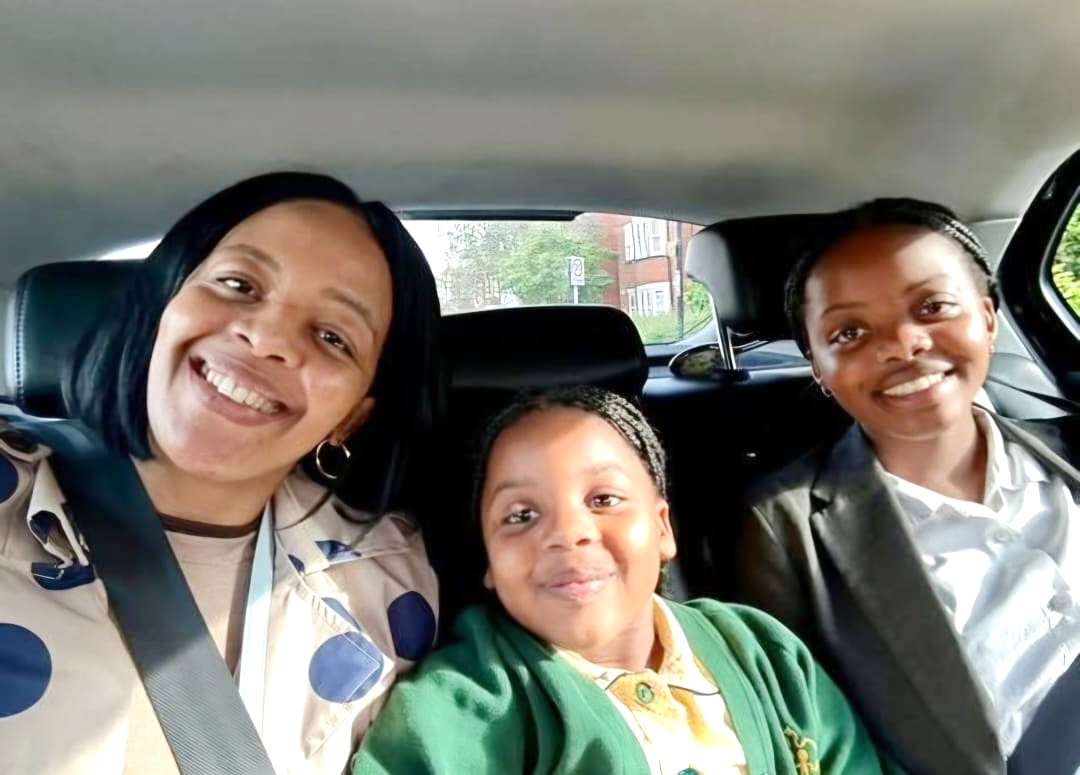
THREE coffins.
A mother.
Two daughters.
Add a question that should haunt every home, church, community and institution: How many more women and children must die before we treat gender-based violence as the national emergency it is?
The deaths of Nothabo Tshuma, 42, and her daughters Natalie, 15, and five-year-old Nala have left two families shattered and a community struggling to comprehend such devastating loss.
Their families have refused to allow the three graves at Luveve Cemetery to become the final chapter. They want the deaths to fight GBV.
That call deserves to become a national battle cry.
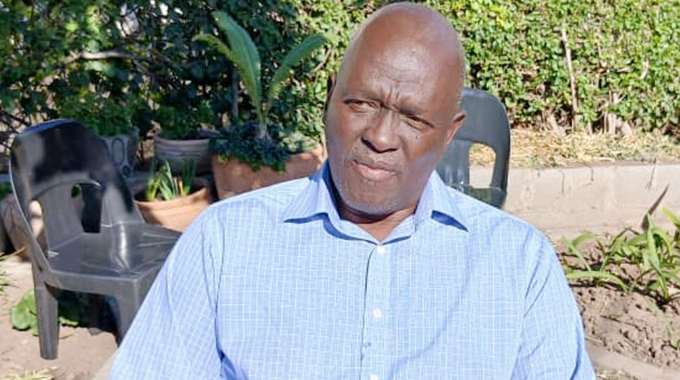
The family spokesperson, Leon Leroy Khumalo, delivered a message that went beyond mourning. He urged society to recognise warning signs, listen when people say they are afraid and create safe spaces where victims can seek help.
That is where the fight against GBV must begin.
We cannot keep treating violence in homes as a private family matter until it ends in a coffin.
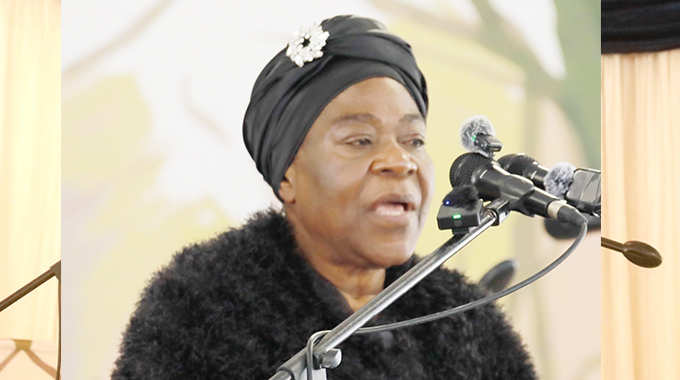
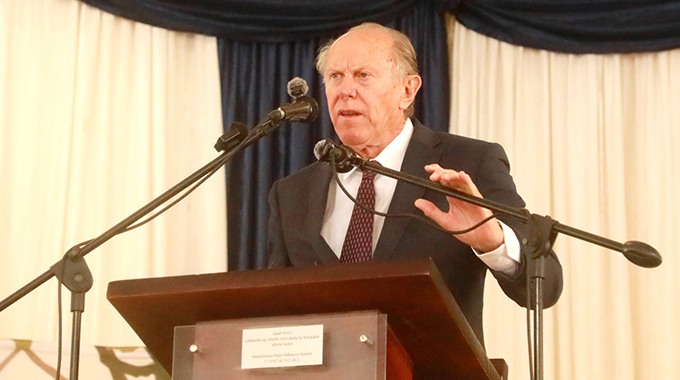
Minister of State for Bulawayo Provincial Affairs and Devolution Judith Ncube’s words at the funeral were equally sobering.
“Marriage is supposed to be little heaven on earth but our homes are hell,” she said. Those words should not be allowed to disappear after the funeral.
Because if homes have become places where women and children live in fear, then society has failed in one of its most basic responsibilities: keeping its people safe.
Love is not control. Love is not intimidation. Love is not threats.
Love is certainly not violence.
Children must grow up understanding this. They must learn that being in a relationship does not give anyone ownership over another human being.
Parents must listen when children or relatives speak about fear.
Friends must stop dismissing troubling behaviour as “couple issues”.
Churches must stop preaching about preserving marriages at all costs while ignoring the suffering happening inside those marriages.
Communities must learn to intervene before the police tape goes up.
Mayor David Coltart captured the enormity of the tragedy when he spoke about the unimaginable pain of burying children and grandchildren. But sympathy after death is not enough.
We need action before death.
The tragedy of Nothabo, Natalie and Nala should therefore challenge every Zimbabwean to ask what they can do differently.
Can we recognise the warning signs? Can we believe victims?
Can we provide somewhere safe to go? Can we report abuse instead of looking away?
Can we teach our children that violence has no place in love?
The Khumalo and Magonya families have given us a painful but powerful challenge.
Let these three deaths become more than a funeral story.
Let their memory force conversations that are uncomfortable but necessary.
Let their names be remembered whenever someone finds the courage to speak.
Let another woman escape.
Let another child be protected.
Let another family act before it is too late. Three coffins are enough.
Listen. Speak up. Act.