Online Reporter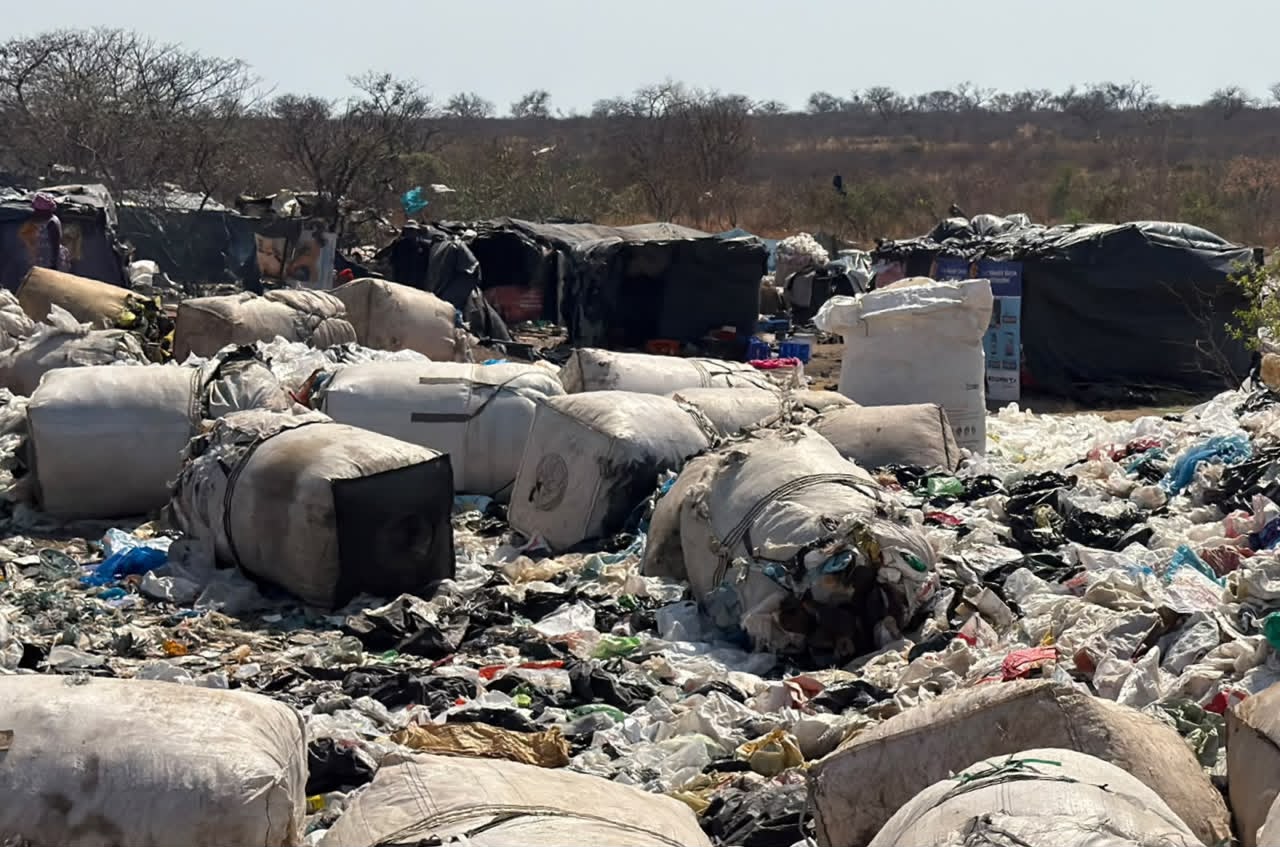
THERE is something deeply disturbing about a city dump becoming a home.
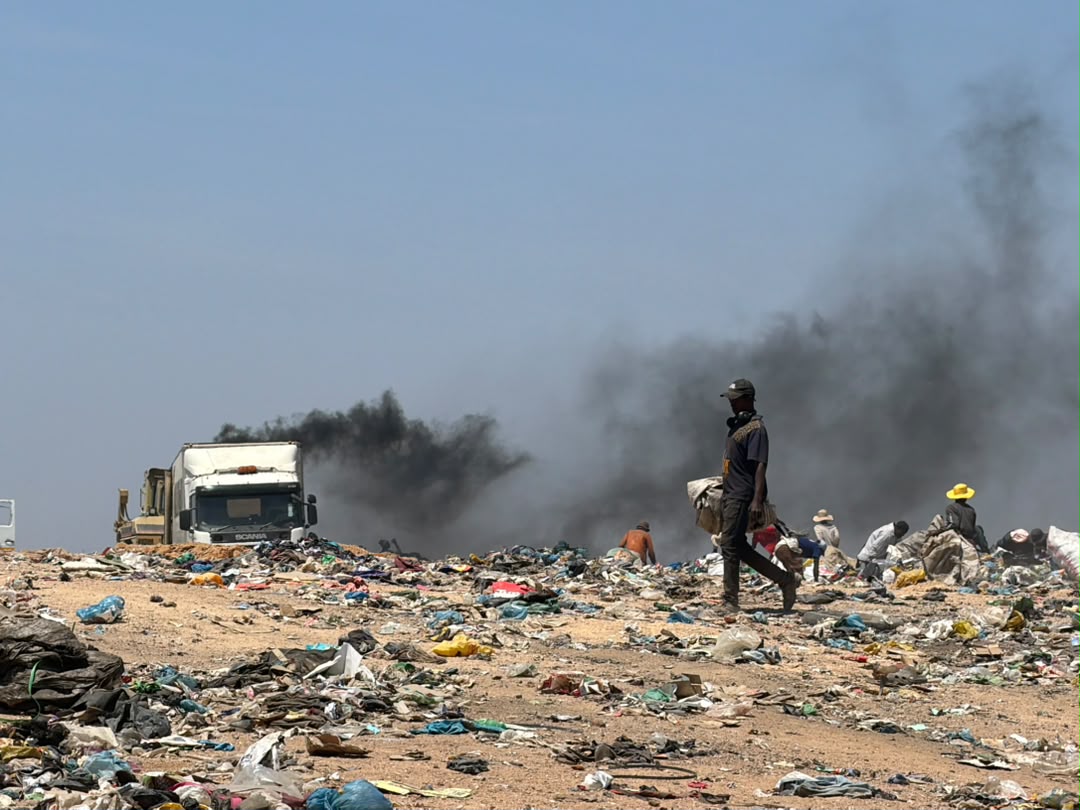
Ngozi Mine was created to take Bulawayo’s rubbish, not to become a settlement for families, a workplace for children or a source of drinking water for people with nowhere else to turn.
Yet that is the picture emerging from the latest concerns raised by the Zimbabwe National Organisation of Residents Associations (ZNOART), which says more than 1 000 people are now living in makeshift structures around the dumpsite.
If the figures are accurate, Bulawayo is facing a crisis that can no longer be dismissed as simply a problem of refuse collection.
This is a human crisis.
It is also an environmental crisis.
And, most importantly, it is a test of the city’s conscience.
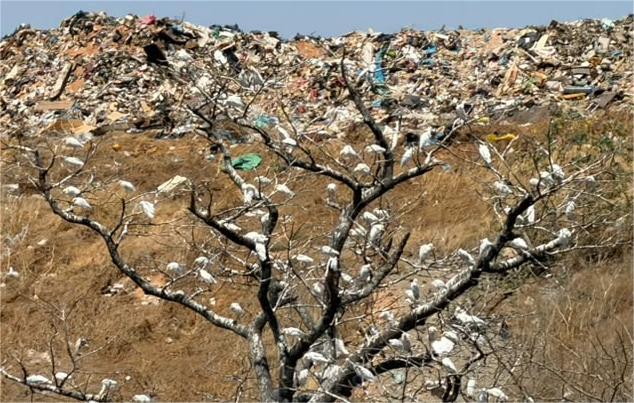
For years, residents have complained about smoke from Ngozi Mine. Now there are renewed concerns about open and underground burning, leachate, poor waste management and people surviving without access to safe water.
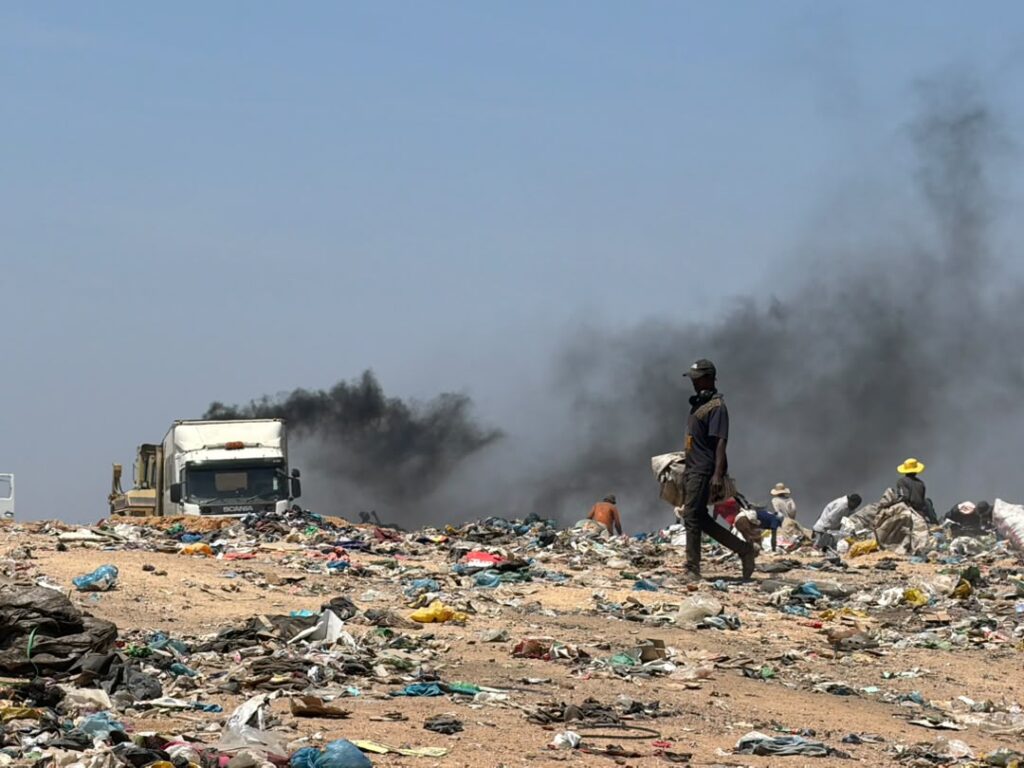
The sight of women fetching water from a disused dam and children growing up around mountains of waste should be enough to force urgent action. Nobody should have to choose between hunger and exposure to an unsafe environment.
Nobody should have to live beside a landfill because they have nowhere else to go.
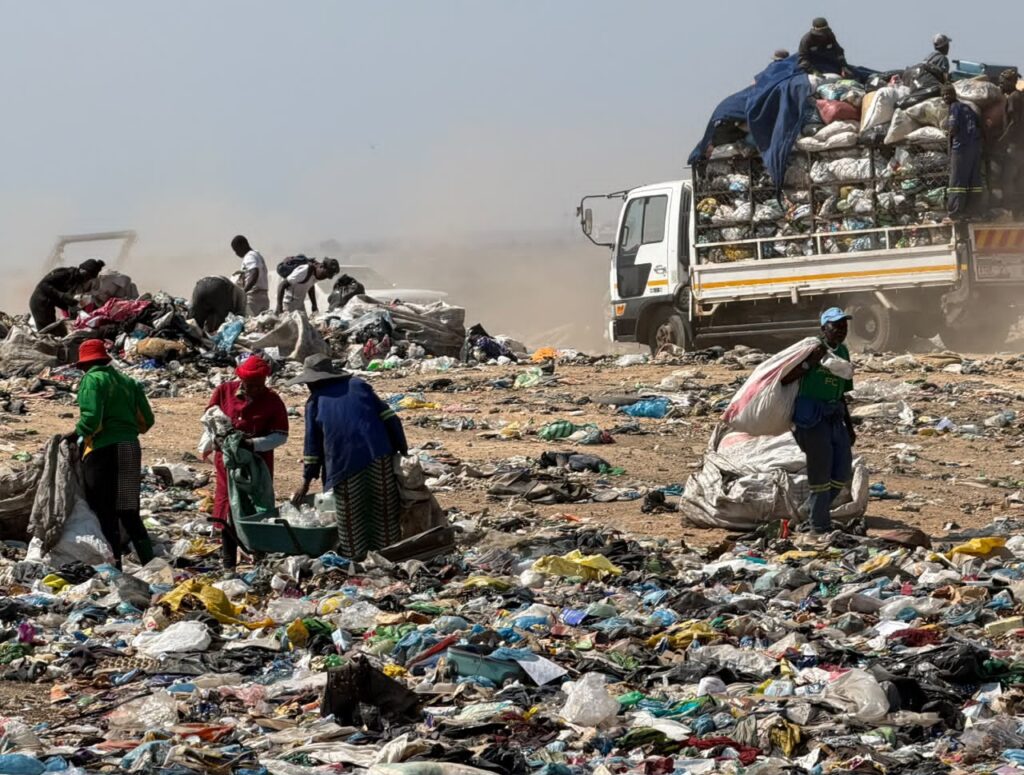
Nobody should have to scavenge through rubbish without protective clothing simply to put food on the table.
But this is not a problem that Bulawayo City Council can solve with speeches, meetings and promises alone.
The directive by Local Government and Public Works Minister Daniel Garwe for council to engage Geo Pomona Waste Management is a welcome development, but what residents need now is movement from discussions to implementation.
Council must be transparent about what it intends to do, how much it will cost and how long residents should expect to wait.
Any proposed public-private partnership must deliver a cleaner and safer Ngozi Mine while
protecting the livelihoods and dignity of the people who currently depend on the dumpsite.
The waste pickers cannot simply be chased away when a new waste management system arrives.
The families living around the dump cannot simply be forgotten.
And the surrounding communities cannot continue carrying the environmental burden of a city that depends on Ngozi Mine to dispose of its waste.
Bulawayo needs a modern waste management system, one that prioritises waste reduction, recycling, safe disposal and, where viable, waste-to-energy initiatives.
But it also needs something more fundamental: accountability and urgency. Ngozi Mine has reportedly outlived the lifespan for which it was designed.
That should never have been allowed to become normal.
The city now has an opportunity to turn a decades-old environmental problem into a model for responsible waste management.
But the starting point must be the people.
Before we talk about tonnes of rubbish, recycling plants and investment figures, we must remember
that behind the waste are human beings.
For them, Ngozi Mine is not just a dumpsite.
It is home.
And that should shame us into action.


 Bongani Ndlovu