Online Reporter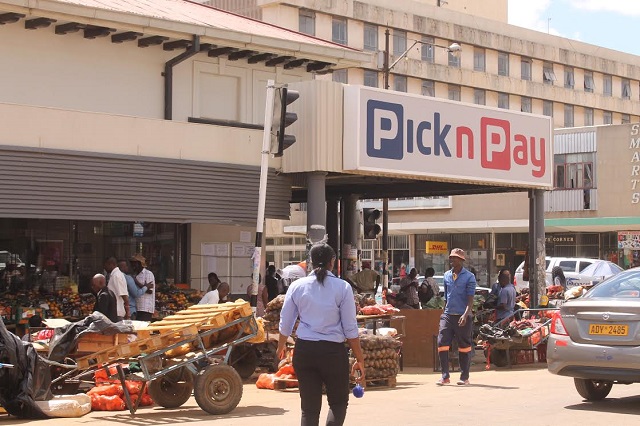
THE heart of Bulawayo, once a vibrant commercial hub, is now facing a staggering public health crisis as illegal vendors have transformed the city’s pavements into makeshift living spaces.
This worrying trend highlights urban mismanagement, exposing the urgent need for comprehensive solutions to restore dignity, safety and hygiene to the city.
As reported elsewhere in this publication, the scene along Jason Moyo Street is not just a visual blight but a serious health hazard.
With at least 95 vendors sleeping on pavements, the area has become a chaotic blend of commerce and makeshift living.
The vendors, many from outside Bulawayo, are caught in a desperate situation, citing a lack of affordable accommodation as the primary reason for their precarious living conditions.
This scenario brings to light the broader socio-economic realities faced by many, where the struggle for survival often forces individuals into informal economies that lack regulation and oversight.
The testimonies from vendors reveal a painful irony: while they strive to make a living by selling fresh produce, they inadvertently contribute to unsanitary conditions that could lead to disease outbreaks.
The stench of human waste and inadequate sanitation facilities paint a grim picture of urban life where survival takes precedence over public health.
The situation is compounded by the fact that many vendors are unaware of the Khami Clinic, the designated centre for medical clearance and hygiene training.
This lack of awareness underscores a significant gap in communication and education about health regulations and support services.
The Bulawayo City Council’s response, or lack thereof, warrants scrutiny.
Mayor David Coltart’s acknowledgment of the chaos is noted, yet reliance on the Zimbabwe Republic Police (ZRP) to enforce laws without the necessary powers for municipal police raises concerns.
It reflects a systemic failure to address the issues that stem from informal trading.
The call for a co-ordinated response with the Minister of State for Bulawayo Provincial Affairs, Judith Ncube indicates an understanding of the need for a multifaceted approach, but action must follow rhetoric.
The involvement of space barons — politically connected individuals profiting from the informal vendor situation — adds another layer of complexity.
These individuals exploit the vulnerabilities of the vendors, charging exorbitant fees for stall space while contributing nothing to the city’s infrastructure or public services.
This exploitation not only perpetuates informality but also undermines legitimate businesses that are struggling to survive amid the chaos.
Moreover, the Bulawayo Vendors and Traders Association (BVTA) has rightly highlighted the inadequacy of toilet facilities in the marketplace.
The alarming reports of vendors resorting to relieving themselves in sanitary lanes reflect a failure of urban planning and public health infrastructure.
The notion that vendors feel they can act with impunity due to the lawlessness of their surroundings is distressing.
It fosters a climate of insecurity that not only affects the vendors but also the broader community, as crime and illicit activities gain a foothold in these chaotic spaces.
The statistics provided by the Bulawayo City Council are telling: while there are only 2 331 officially registered vendors, the actual number is nearly four times that.
This discrepancy highlights the urgent need for better regulatory frameworks that can accommodate the realities of informal trading while ensuring public health standards are upheld.
It is essential to recognise that informal trading is not inherently negative; it is often a lifeline for many individuals.
However, without appropriate oversight and support, the system becomes a breeding ground for health hazards and criminal activities.
What is clear is that immediate action is required to address the public health crisis unfolding in Bulawayo’s city centre.
Stakeholders, including local government, health authorities, and community organisations, must collaborate to develop a comprehensive strategy that addresses the needs of vendors while prioritising public health.
This could involve creating designated vending zones with adequate facilities, increasing public awareness about health regulations and ensuring that vendors have access to essential services like sanitation and medical training.
The situation in Bulawayo is a stark reminder of the challenges faced by many urban centres grappling with informal economies.
The plight of the vendors along Jason Moyo Street is not merely a local issue but a reflection of broader socio-economic trends.
Addressing this crisis requires a commitment to innovative solutions that empower vendors, enhance public health and restore order to the urban landscape.
As Bulawayo navigates this complex issue, it is imperative that the city learns from these challenges to build a more sustainable and inclusive future for all its residents.