Online Reporter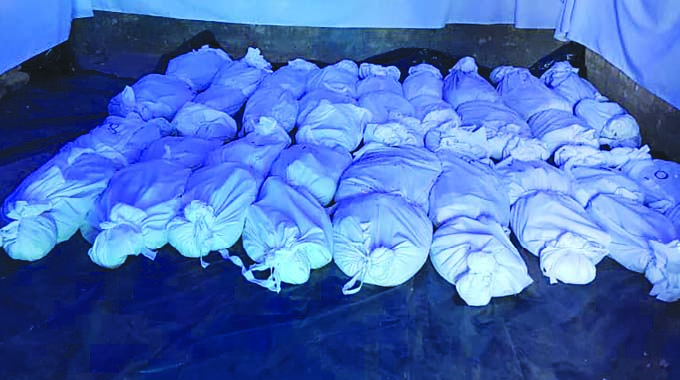
Richard Muponde, Zimpapers Politics Hub
AS Zimbabwe prepares to commemorate Heroes Day and Defence Forces Day on 11 and 12 August, respectively, I found myself grappling with ghosts, not just of the past, but of the present, embodied by the silent, tireless sacrifice of the Fallen Heroes Trust of Zimbabwe (FHTZ).
For one bone-chilling week, I immersed myself in their mission: to exhume and rebury Zimbabwe People’s Revolutionary Army (ZPRA) freedom fighters who perished during the liberation struggle and now lie forgotten in shallow graves across the country’s forests and bushes.
The venue was Sanyati Rest Camp in the farming area under Chief Wozhele, born Kefas Mahule Chikwata, on the banks of Munyati River.
This is no ordinary work.
It is a grim yet sacred undertaking.
It’s not just about bones.
It’s about Zimbabwe’s very soul, a soul we honour every August.
A journey begins
The FHTZ extended an invitation for me to join them on their next mission.
It turned into a life-altering experience.
On Sunday, 22 June, I joined the FHTZ team as we left Harare for Hurungwe.
Our first stop was an unassuming homestead, home to a young couple who graciously hosted the volunteers, most of them spirit mediums and self-funded patriots.
No allowance. No corporate sponsor.
Just battered satchels, threadbare blankets and a shared sense of duty.
They were there to dig up the bones of Zimbabwe’s freedom, quite literally.
I silently patted my pocket, already drained after leaving on a Sunday when offices were closed — no chance to process any formal travel claims.
Spirit and sacrifice
That night, we waited for Cde Cephas.
He didn’t arrive in flesh but rather through the trembling body of a woman, a spirit medium wrapped in blue cloth.
Cde Cephas was a former ZPRA commander, poisoned with eight others in 1979.
Now, his spirit guides the living to locate the dead ZPRA cadres scattered in unmarked graves from Guruve, Hurungwe, Sanyati and Gutu to Mwenezi.
By Monday, we were in Kadoma for necessary paperwork, with a quick detour to Chinhoyi to pick up donations.
With nothing but breakfast to sustain us all day, we pressed on to Sanyati, arriving around 10pm.
The next day, we brought food, but only just.
We feasted on sadza from local hosts, then turned our attention to preparing accommodation.
We stayed in a decrepit three-room cottage that once served as a torture site for Rhodesian soldiers.
The rooms were split — one for men, one for women and one eerily designated as a morgue.
I would sleep on the very floor where tortured fighters likely took their final breaths.
Haunted nights and hollow stomachs
My nights were long and restless.
I shared a room with the chief exhumer, Mr Friday Mhande, a man whose hands have unearthed the secrets of mass graves of liberation fighters at Chibondo, in Mt Darwin. Sleep was a torment.
The stifling air, the dark, the whispers of history, all conspired to deny me rest.
One night I even messaged my boss begging to return early.
Yet I stayed.
Each day began with rituals and ended with pungwes (night vigils).
Consultations were held with Chief Wozhele and other local spirit mediums.
The living channelled the dead.
Volunteers, some of whom hold prestigious jobs in cities, endured the cold floors and missed meals without a single complaint.
Their sacrifice echoed the very lives they were working to honour — ZPRA cadres who fought not for money but for a free Zimbabwe.
Uncovering horror
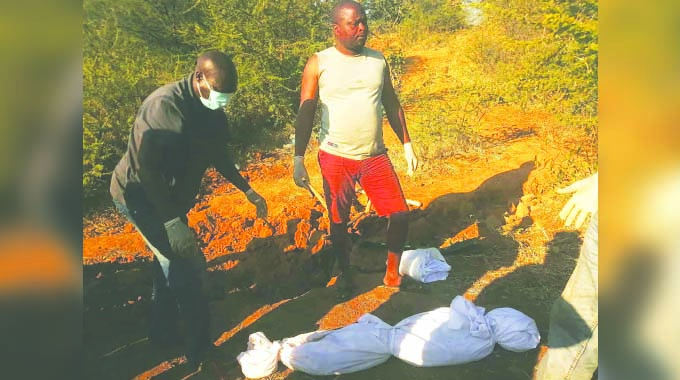
Exhumations began on Sunday.
The first body was that of Cde Themba Ncube, bones still wrapped in tattered undergarments, a ring clinging stubbornly to chemically burned fingers.
Then came the dismembered remains of Cdes Mandebvu and Zaire, their bodies hacked, burnt and buried in shallow ground near the Munyati River.
Each discovery was a gut punch.
Families, many still haunted, came forward with chilling confessions.
One spoke of flocks of birds haunting their homestead, believed to be restless spirits of the betrayed.
Some elders admitted their ancestors had collaborated with Rhodesians, leading to these deaths.
One such collaborator reportedly died recently after mysteriously falling from a bicycle, buried just two weeks before our arrival.
Karma, it seems, remembers.
Living in a war zone again
The conditions were brutal.
One uncertain meal a day, freezing nights, haunted lodgings and the constant weight of spiritual intrusion.
I even fell into a trance one night, waking to find myself in agony, surrounded by applauding mediums who claimed I had “helped” ease a comrade’s pain.
Whether psychological or paranormal, the experience was real enough to rattle my bones.
The self-sacrifice of the FHTZ team was humbling.
Volunteers shared whatever they had, sometimes just a cup of porridge or a dry blanket. The Zimbabwe National Army’s engineering unit, present on site, shared their rations with us after seeing the situation.
Without their kindness, I might have collapsed.
By Thursday, 23 ZPRA cadres had been exhumed, but there are thousands more, a fact that weighs heavily on FHTZ chairperson Dr Arthur Makanda.
Call for support
“We are self-funding,” Dr Makanda said, weariness etched into his face.
“We use contributions from our members; not much, just enough for food, fuel, and sometimes bedding if we are lucky.”
He added that repeated requests for support had hit a brick wall.
“They always say they don’t have funds. But how can we honour our fallen heroes without institutional support?”
There is no legislation or formal budget line for exhuming and re-interring Zimbabwe’s liberation fighters.
The Trust fears that relying on outside donors may come with ritualistic baggage, and so they prefer clean Government financing.
“We don’t want to take money from sources that could compromise the spiritual integrity of this work,” Dr Makanda said.
“This is sacred. This is national.”
As Zimbabwe readies itself for Heroes Day and Defence Forces Day commemorations, one cannot help but see the cruel irony.
We gather annually to pay tribute yet forget that some of our heroes lie in unmarked, shallow graves, their spirits restless, and their stories unfinished.
The struggle of the FHTZ members, men and women sleeping in haunted rooms, working without pay, and eating once a day, mirrors the selflessness of those they seek to recover.
These are modern freedom fighters, carrying on a war of memory and dignity.
My personal reckoning
I left Sanyati heart heavy, body worn but spirit forever changed.
Born at a freedom fighters’ base in Chiwakira Hills in Dewedzo in Rusape, named Pamberi neHondo by freedom fighters, a name that appears on my national ID, I knew I had to return with my employers’ blessings.
This mission is mine, too.
I am a child of the struggle. How could I not stand with those who continue to honour its legacy?
The story of Zimbabwe’s liberation did not end in 1980.
It lives on in the hands that dig, the spirits that speak and the souls that hunger, not just for food, but for recognition.
This is my testimony of a week with Zimbabwe’s forgotten warriors, and the living who carry their burden.
Let us not celebrate them in August and forget them in September.
Let this be the year we remember, truly remember and act.
If ever there was a cause that deserved our collective support, surely this is it.