Online Reporter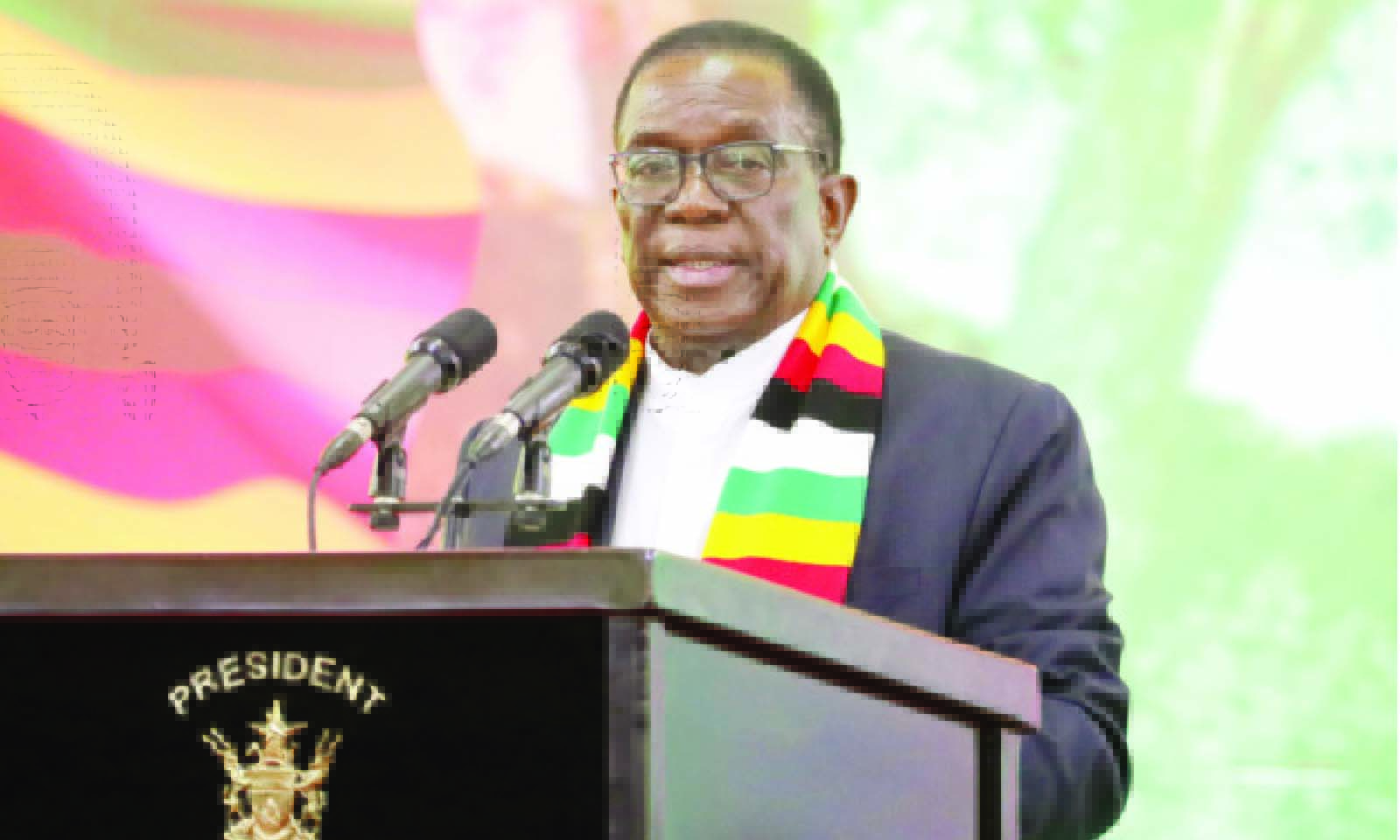
PRESIDENT Mnangagwa’s recent speech at State House in Harare, while hosting his former classmates from the 1975 University of Zambia law degree class, underscores a critical and timely call for Africa to redefine its relationship with the Global North and assert economic independence.
As we reported yesterday, President Mnangagwa called on Africa to reject the “horse-and-rider” dynamic perpetuated by the Global North and strive to reset international relations, ensuring the continent becomes the master of its destiny.
His emphasis on rejecting the “horse-and-rider” dynamic is a powerful metaphor for the need to dismantle the remnants of neo-colonialism that still influence the continent’s economic landscape.
“While we managed to win political emancipation on the continent, much more must be done to realise sustainable economic independence. Our continent continues to grapple with skewed economic relations. These stem from the Global North, where some countries believe they have an inalienable right to keep us in perpetual subjugation.
“This will never be allowed to continue. Africa must confidently assert her standing in the comity of nations. Relations between the North and South must be reset. We reject the “horse-and-rider” relationship. We are masters of our own destiny. Africa will not fail to deliver economic independence and shared prosperity for our countries and continent, for the benefit of our people. We shall prevail, no matter the challenges and dangers,” President Mnangagwa said.
To achieve the vision President Mnangagwa outlines, Africa must focus on several strategic areas, including economic integration, diversification and industrialisation, education and skill development, support for local businesses, efficient public policies, and regional co-operation.
The African Continental Free Trade Area (AfCFTA) is a cornerstone for economic independence. By fostering intra-African trade, the AfCFTA can reduce the continent’s reliance on external markets and create a robust internal market. This integration can lead to economies of scale, increased industrial output, and job creation.
It is extremely worrying that Africa’s economic structure is still being dominated by the export of raw materials. Shifting towards manufacturing and industrialisation can add value to these resources within the continent. This transformation requires investment in infrastructure, technology, and human capital.
We all know that a well-educated and skilled workforce is essential for economic growth. Investing in education, particularly in STEM (Science, Technology, Engineering, and Mathematics) fields, can drive innovation and productivity. Additionally, vocational training can equip the youth with practical skills needed in various industries.
Encouraging the growth of local enterprises, especially in agriculture, agribusiness, and energy, can reduce dependency on imports and promote self-sufficiency. Policies that support small and medium-sized enterprises (SMEs) can stimulate economic activity and create employment.
Implementing effective public policies that address structural weaknesses and promote economic transformation is crucial. This includes creating a conducive environment for business, ensuring political stability, and combating corruption.
We cannot overemphasise that strengthening regional co-operation can enhance security and economic stability. Countries working together can share resources, knowledge, and best practices, leading to collective growth and development.
President Mnangagwa’s call to action is a reminder that Africa’s path to economic independence requires unity, determination, and strategic planning. By focusing on these key areas, the continent can build a future where it is not only politically independent but also economically self-sufficient and prosperous.