Online Reporter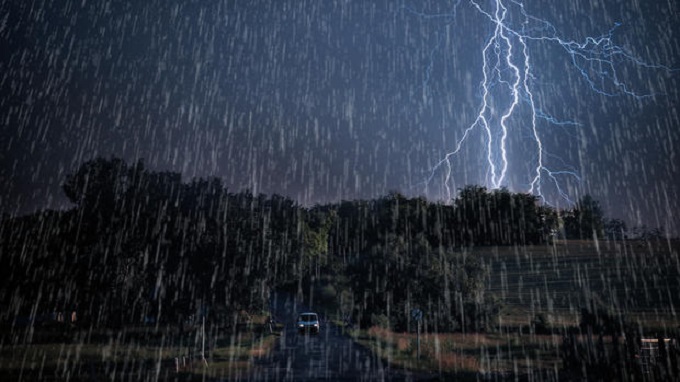
WE celebrated recently when the Meteorological Services Department (MSD) forecast normal to above normal rainfall for most of the country across the forthcoming farming season.
In the next few weeks, the rains will start falling, and farmers will spring into more earnest action. They, the Government, banks, and input suppliers started preparing for the next season the moment the last grain from the 2024-2025 season was picked.
However, as we report elsewhere today, preparing for the rainy season is not as simple as buying inputs, digging Pfumvudza/Intwasa holes, servicing one’s tractor, or carving out a new yoke.
It, too, is about anticipating weather-related risks such as floods, cyclones, storms, and so on. This ensures that we aren’t caught unawares when those adversities occur, as we would already have a plan to lessen their impacts.
On Wednesday, the Civil Protection Unit (CPU) hosted a workshop in Bulawayo, bringing together multiple stakeholders to share intelligence on how the season is likely to progress, the possible challenges, and how they plan to prevent the preventable and effectively respond to those they cannot prevent.
CPU director, Mr Nathan Nkomo, said the MSD has warned of nine cyclones hitting southern Africa, with six likely to affect SADC countries.
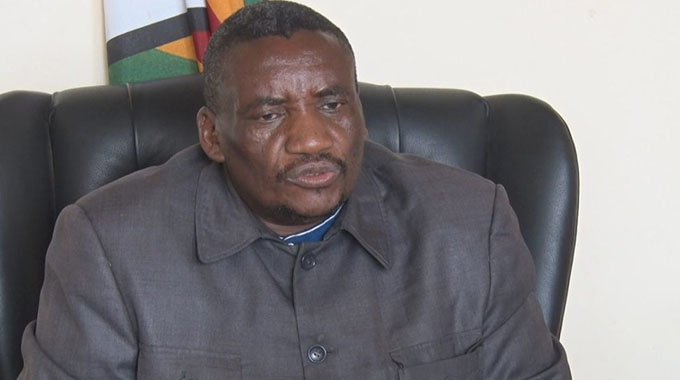
“One of the presentations at the workshop was from MSD, which, together with regional weather forecasters, predicted a total of nine cyclones to affect parts of the southern region of the continent, but only six are predicted to be felt in the SADC region,” he said.
“Cyclones typically affect Zimbabwe between February and March when the country receives the highest amount of rain, so the Minister of Local Government and Public Works has directed CPU to activate all its disaster management system from the national level down to the grassroots level. All line ministries that are responsible for disaster management are also in sync with the CPU’s multi-contingency plan for the 2025/26 rainfall season.”
Six cyclones is quite a large number of possible disasters, which is why we commend the CPU for bringing everyone together to be ready for them. And these are only cyclones; there can be floods, landslides, and storms as well, given the normal to above normal forecast.
We hope that the workshop came up with a robust plan of action if these challenges indeed come to pass. We urge the CPU and its partners to continue gathering more intelligence and refining their countermeasures as the season progresses.
At the same time, we implore the department to open lines of communication with the people on the ground. The people must be advised in good time of the kind of weather-related risks that could hit them, and the steps that they must take at their level to prepare for the phenomena, so that their impacts are lessened.
Hopefully, what has been projected as a great wet season will, indeed, yield another bumper harvest for the country, with all of us safe from any negative weather-related incidents that it may bring along.