Vusumuzi Dube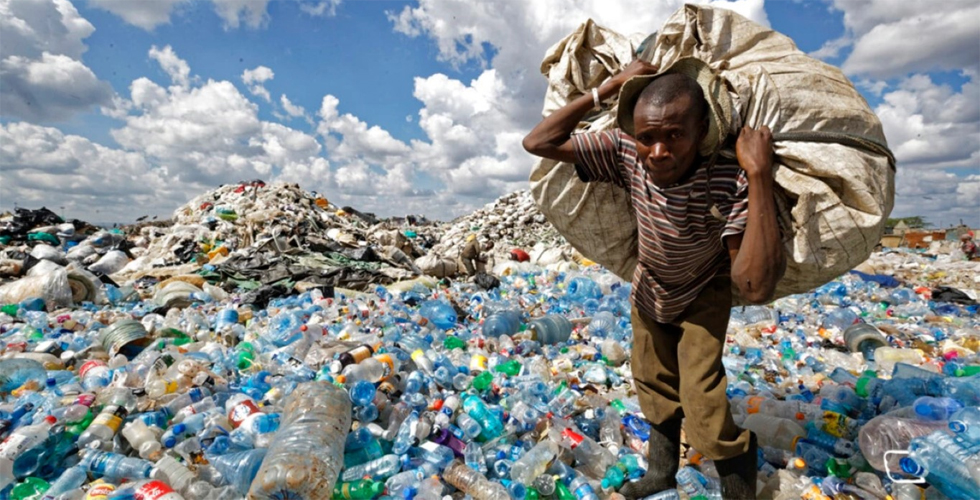
BULAWAYO once wore its cleanliness like a badge of honour. For decades, it was proudly known as Zimbabwe’s cleanest city — orderly, well-drained and disciplined in its approach to urban management. Today, that reputation lies submerged under blocked drains, stagnant water and filth that snakes through streets and residential areas, turning what should be a functioning drainage system into a public menace.
Across the city, ageing storm-water drains — many of them constructed decades ago — are now choked with litter, sand and raw sewage. During the rainy season, even moderate downpours result in streets flooding within minutes. Pools of dirty water linger long after the rain has stopped, emitting foul smells and creating breeding grounds for mosquitoes and disease-causing bacteria. What should be invisible underground infrastructure has become an ugly and dangerous feature of daily life.
The situation, as residents have repeatedly pointed out, is no longer just an inconvenience; it is a serious health hazard. Overflowing drains mix storm water with sewage, exposing communities to the risk of waterborne diseases such as cholera, typhoid and dysentery. Children wade through contaminated water on their way to school, vendors conduct business beside flooding drains, and homeowners watch helplessly as dirty water invades their yards and, in some cases, their houses. This is an unacceptable reality for a major city.
There is also the growing danger of urban flooding. Blocked drains reduce the city’s ability to channel excess rainwater away from residential and commercial areas. As climate change brings more intense and unpredictable rainfall, Bulawayo’s fragile drainage system is increasingly failing to cope. Without intervention, the city risks catastrophic flooding that could damage roads, homes, businesses and already strained public infrastructure — setting development back by years.
While littering by residents contributes to the problem, it would be dishonest to place the blame solely on the public. The primary failure lies in poor maintenance, chronic underinvestment and a lack of long-term planning by the local authority. Many drains have not been properly desilted or rehabilitated for years. Some sections of the system are obsolete, undersized or collapsing with age. Routine maintenance has been replaced by reactive, short-term fixes that offer temporary relief before the next downpour exposes the same weaknesses.
Bulawayo City Council must appreciate that this is not a cosmetic issue that can be postponed until finances improve. Drainage is essential infrastructure — as critical as water supply, roads and refuse collection. Continued inaction not only endangers health and safety but also erodes public confidence in local governance. A city that cannot manage its waste water sends a troubling message about its capacity to manage growth and development.
What is needed now is urgent and decisive action coupled with a permanent, sustainable solution. In the short term, the council must prioritise the comprehensive cleaning and desilting of existing drains across the city, particularly in flood-prone areas. This should be done systematically, not as emergency responses after disasters strike. Law enforcement against illegal dumping must also be strengthened, alongside public awareness campaigns to rebuild a culture of cleanliness.
In the longer term, Bulawayo requires a modern drainage master plan. This means assessing the current system, upgrading old infrastructure, expanding drainage capacity to meet current and future needs, and designing systems that can withstand heavier rainfall. Partnerships with central Government, the private sector and international development partners may be necessary, but the initiative must come from the council itself.
Bulawayo’s fall from being Zimbabwe’s cleanest city to one struggling with filth-filled drains is a stark reminder that cities decline when basic services are neglected. This trajectory is not inevitable. With political will, sound planning and sustained investment, the city can reclaim its standards and protect residents from preventable health and flooding risks. The time to act is now — before the next heavy rain turns neglect into disaster.


 Online Reporter