Vusumuzi Dube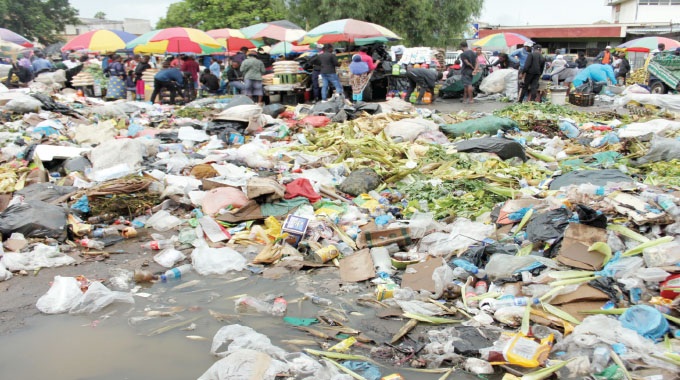
John Mupa, [email protected]
BULAWAYO, the City of Kings, once renowned for its pristine streets, is today grappling with a crisis far deeper than aesthetics. A city whose name once evoked order and progress is now a mosaic of neglect, its previously clean avenues marred by a pervasive and unsettling stench. This is not merely a story about litter; it is an exposé arguing that Bulawayo’s mounting refuse reflects a widespread, systemic collapse in financial literacy and civic responsibility.
The adage “your financial literacy is in your garbage” resonates with chilling accuracy in Bulawayo. Residents appear increasingly reluctant to confront their waste, a reluctance that points to a deeper aversion to accountability. We do not visit our garbage because we cannot stand the smell — the miasma of collective neglect. But that odour is more than an assault on the senses; it symbolises lost opportunities, mismanaged resources and a society drifting from its own well-being.
Littering in the Central Business District (CBD) is no longer a minor inconvenience; it is a stark sign of collective illiteracy — a visible declaration that financial well-being is “stinking in our garbage”. When refuse spills into public spaces, it amounts to a public confession of disengagement from urban life.
Consider the reality that some residents cannot account for the number of meals they consume daily — not through forgetfulness but through an inability to account for their litter. Discarded wrappers, plastic bottles and food scraps are everywhere: in public spaces, spilling out of homes and clogging drainage channels. This is not just about tidiness; it reflects a fundamental failure to track, manage and take responsibility for consumption and its by-products. If we cannot account for our own waste, how can we account for our finances, resources and future?
The irony is stark. Citizens expect the City Council to deliver clean streets and efficient waste management. Yet the revenue the council collects is increasingly consumed by the task of clearing “OUR” litter — the waste so carelessly discarded. It is a cycle in which irresponsibility funds remediation, a financial sink hole driven by civic shortcomings. The council becomes a reactive clean-up crew rather than a proactive development authority, with resources diverted from infrastructure to chasing refuse.
Even emissions — invisible pollutants — mirror a form of littering. Do we need to be in the congested CBD for every transaction? Vendors and customers who live in the same suburbs still make unnecessary trips into the city centre, adding to traffic, pollution and waste. This unnecessary movement — an “emission of presence” — highlights a lack of strategic thinking and failure to optimise resources and reduce the environmental footprint. Decentralised, empowered local economic hubs could ease CBD pressure and reduce the overall “litter” of movement and waste.
Bulawayo’s population has grown from about 400 000 in the 1980s to just over 682 000 today. But can this increase alone explain the avalanche of litter? Or has a national culture eroded — a once cherished ethos of cleanliness now fading? Many recall primary school clean-ups, fanning out across grounds and chanting “amaphepha asiwafuni” — “we do not want litter, it’s bad for the environment.” It was more than a chore; it was an early lesson in civic pride, environmental stewardship and shared responsibility.
Where has that spirit gone? Can residents of Bulawayo rediscover a second love for their city and reignite the cleanliness ethic that once defined it?
Littering in a former industrial hub once synonymous with productivity and order is more than an eyesore. It signals damaging idleness — not only of hands that fail to dispose of waste correctly, but of minds that fail to grasp the links between behaviour, environment and financial well-being. It points to a city, perhaps a nation, forgetting the fundamentals of foresight, accountability and collective investment in the future.
The shift from beacon of cleanliness to a landscape of refuse is not only about municipal decline; it is a mirror of deeper social malaise. Garbage on streets, choking drains and polluting air is the tangible face of an intangible decay in civic pride, personal responsibility and, ultimately, financial literacy. When we litter, we discard not just waste, but potential, prosperity and the foundations of a functional city.
Bulawayo stands at a critical juncture. The stench is a wake-up call — a reminder that the city’s future risks being buried under its own refuse. Reclaiming former standards will require more than new waste strategies or increased council funding. It demands a cultural reset and a return to values that made the city shine. The spirit of “amaphepha asiwafuni” must be revived as a guiding principle for every citizen.
This is a plea for renewed civic pride, individual accountability and recognition that the environment and economy are inseparable. Our financial literacy is indeed in our garbage — and until we face that truth and take responsibility for every discarded item, Bulawayo will continue to smell of lost potential. It is time for a second love for the city — one that delivers clean streets, a healthy environment and a financially literate citizenry ready to build a prosperous future, one properly disposed item at a time. The idleness fuelling this decay must give way to purpose, for Bulawayo’s social fabric and economic prospects depend on it.
*John Mupa is a Mpopoma High School alumni and a holder of an MPhil FS, MBA and ACCA.


 Online Reporter