Sidumisile Mabena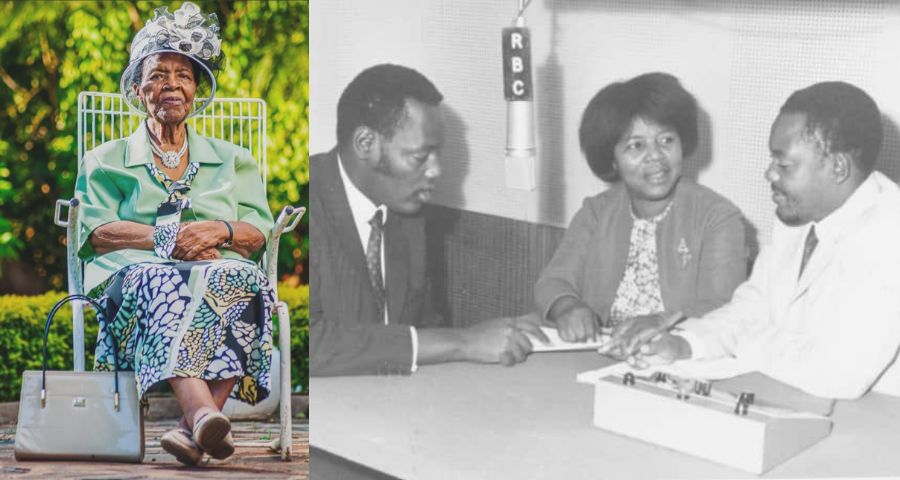
Andile Tshuma, [email protected]
AS Zimbabwe marks Women’s Month and counts down to Independence Day, it feels only fitting to pause and honour the women whose quiet courage and determined service shaped the nation long before majority rule. Among them stands Abbie Dube Tebele, whose life, beginning in 1926 in a modest Mtshabezi village, would one day ripple far beyond its humble origins.
No one could have known then that the young girl would grow into a groundbreaking voice for black women at the Rhodesia Broadcasting Corporation in the 1960s, or that she would later help chart new ground for Brethren in Christ missions in Mpopoma and the heart of Bulawayo.
One of the rare female voices on radio at the time, Gogo Abbie — now affectionately known simply as “Gogo” — reflects on her century of life with gratitude, grace and a deep sense of purpose.
Part of that purpose now stands on the threshold of fulfilment as the Brethren in Christ Church-run University of Matobo prepares to establish the Mtshabezi Mission Hospital Nursing Training School — an initiative long envisioned by the Hope for Mtshabezi Trust, a project she heavily supported.
Through this trust, she welcomed medical missionaries from across the globe, helping turn Mtshabezi Mission Hospital into a centre of specialised care that once drew patients from across Zimbabwe and beyond.
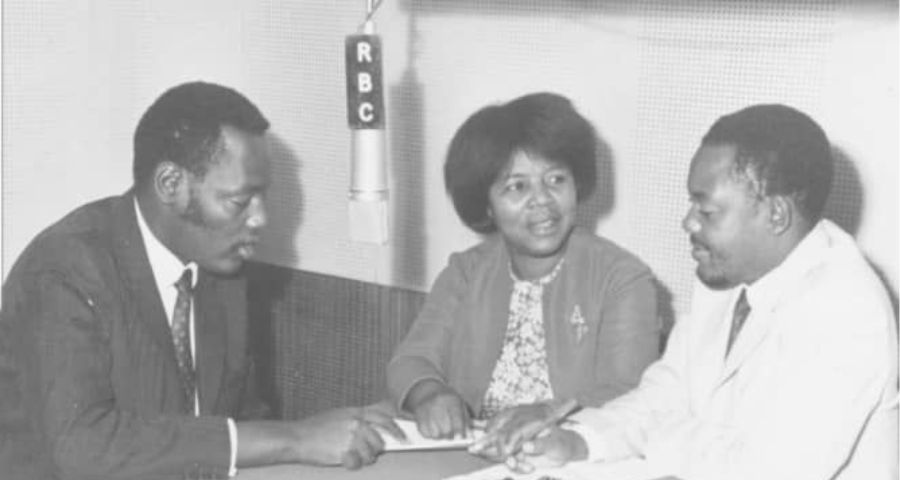
In the 1960s, during an era when the airwaves were dominated almost entirely by white voices, Gogo Abbie stepped into the Rhodesia Broadcasting Corporation studios as one of the few African women granted space behind the microphone.
Today, at 100, she looks back on a life that has touched countless communities through education, broadcasting, faith work, family leadership, business and philanthropy — all roles she somehow juggled with quiet sophistication.
For many Zimbabweans growing up under colonial rule, her voice on radio became a familiar and steady presence. It was more than broadcasting — it was a whisper of progress. At a time when opportunities for black women were painfully limited, she managed to plant her influence in the media while simultaneously dedicating herself to advancing education, strengthening communities and nurturing women’s empowerment.
Her work drifted far beyond radio studios, taking root in missions, charity initiatives and the health programmes she helped champion in Mtshabezi and Bulawayo.
Her story mirrors that of many Zimbabwean women whose contributions were often made in silence — yet whose impact shaped homes, classrooms, congregations and communities.
When she recently celebrated her 100th birthday, generations of the Dube and Moyo families gathered alongside friends and admirers from across the country to honour a woman whose century of life has woven through broadcasting booths, church corridors and the humble homes of the communities she served.
It was a celebration not just of longevity, but of a life marked by faith, dignity and service.
Born when opportunities for women were scarce, she built a legacy that now stretches far beyond her own family line.
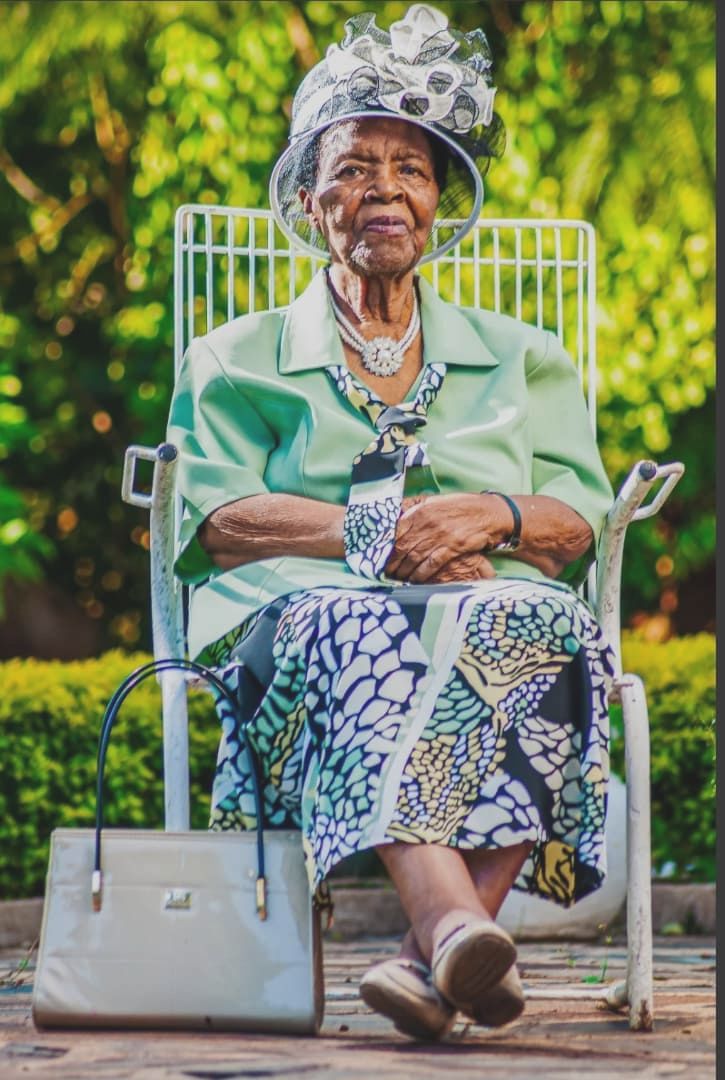
Her journey into Bulawayo in the 1950s placed her alongside missionaries establishing a church presence in Mpopoma. She moved from home to home, helping to lay the foundations of the Brethren in Christ Church in the suburb. Her leadership later extended to the establishment of the Brethren in Christ Central Church, where she served faithfully for many years.
Brethren in Christ Central Pastor Ndabezinhle Nyathi said her influence within the church remains deeply felt.
“We are honoured to have been blessed with such a hardworking and humble woman who has walked with God and brought many to the faith through her actions. She has often worked quietly behind the scenes but effectively in advancing the mission of the church. She has been a fountain of knowledge about our church heritage,” he said.
A pioneering voice on radio
Her work in broadcasting amplified her reach even further. When she joined the Zimbabwe Broadcasting Corporation (then the Rhodesia Broadcasting Corporation) in 1968 as a part-time contributor at Montrose Studios, she immediately stood out as one of the very few isiNdebele speaking women on air. Programmes such as Isikhathi Sabafazi, Abancane Qha, Isikhathi Sezigulane and Inhlupho Zanamuhla became household staples.
Long before women’s empowerment became common public discourse, Gogo Abbie was already crafting a space where women could be heard, supported and uplifted. Through Isikhathi Sabafazi (Women’s Time), she guided conversations rooted in everyday realities — family well being, health, parenting, community responsibility and the dignity of womanhood. Her warmth and insight turned the show into a lifeline for many women navigating work, home and societal expectations.
Her authenticity earned her the affectionate name uGogo weNhlupho Zanamuhla. Beyond presenting, she mentored rising broadcasters.
Retired broadcaster Nonceba Mnkandla remembers her as a woman committed to uplifting others: “At that time, there were very few women on radio. Gogo Abbie encouraged us to speak with confidence and to understand that the microphone could be used to educate and uplift women. She believed women had stories worth telling and that radio could give them that platform . . .”
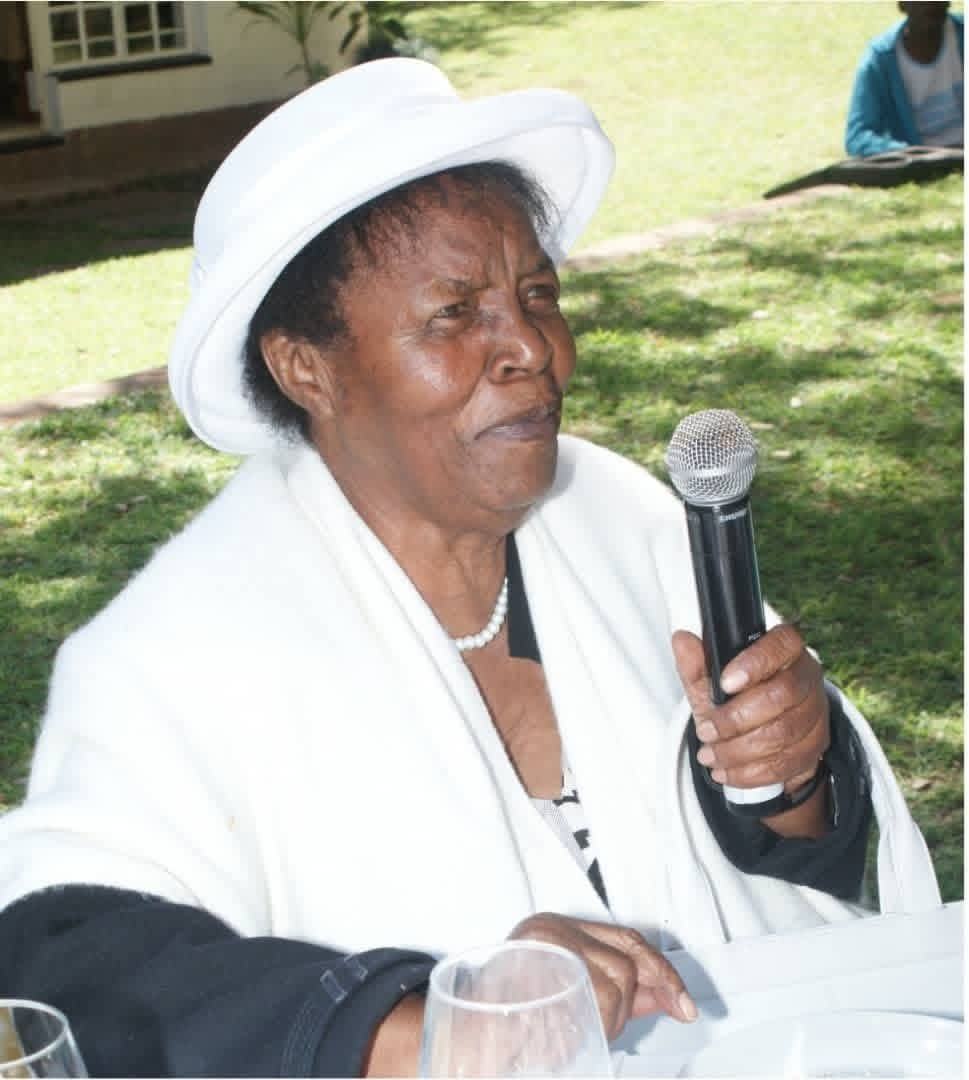
Another pioneer, writer and retired broadcaster Barbara Makhalisa Nkala, said: “She was a trailblazer. When we picked up the microphone, we already knew her voice and her work.”
Retired broadcaster Luke Mkandla echoed these sentiments: “She was disciplined and respected audiences. She taught us that radio was not just about speaking, but about serving the community and making sure people learnt something from every programme.”
Service beyond the airwaves
Her devotion to community was not confined to church or radio. In 2005, she helped found the Hope for Mtshabezi Trust to support Mtshabezi Mission Hospital and nearby rural communities.
Through this trust, outreach programmes brought health services to people who otherwise struggled to access care, and medical missionaries were drawn to the mission to strengthen local health programmes. Even in her retirement, she continued to attend outreach activities and encourage others to carry the work forward.
The heart of the family
To her family, however, her greatest legacy lives in the warmth she poured into her home. Her eldest daughter, Jerelyne Ndlovu, described her as a woman whose love radiated far beyond her immediate family.
“Umama was loving not just to the family or us but to everyone. Her secret has always been in her kitchen, healthy traditional foods and regular exercise, even in her later years,” she said.
Widowed young in 1970 after the passing of her husband, Lazarus Dube, she continued raising her family with quiet resilience.
A brother’s tribute
At the celebration, 94-year-old businessman and philanthropist Johnson Majele Sibanda — her late sister’s husband — spoke with affection about his sister-in-law.
“She was a wonderful sister to my late wife . . . as a family we always admired her discipline, kindness and deep faith.”
A life that touched generations
As celebrations drew to a close, many reflected on a woman who has shaped Zimbabwean society in multiple ways: a broadcaster who educated, a church leader who built congregations, a mentor who empowered young women in media, a philanthropist who strengthened healthcare and a family matriarch whose home was a haven.
In honour of her milestone, corporates such as United Refineries, Schweppes Zimbabwe and Fortwell Wholesalers donated goods to Ekuphumuleni Geriatric Nursing Home, a cause dear to her heart. Her birthday request was touching in its simplicity: a good cup of tea.
At 100 years old, Gogo Abbie’s story is not just longevity — it is a tapestry woven with service, resilience and faith. She continues to live quietly in her Morningside home, surrounded by her loving family.
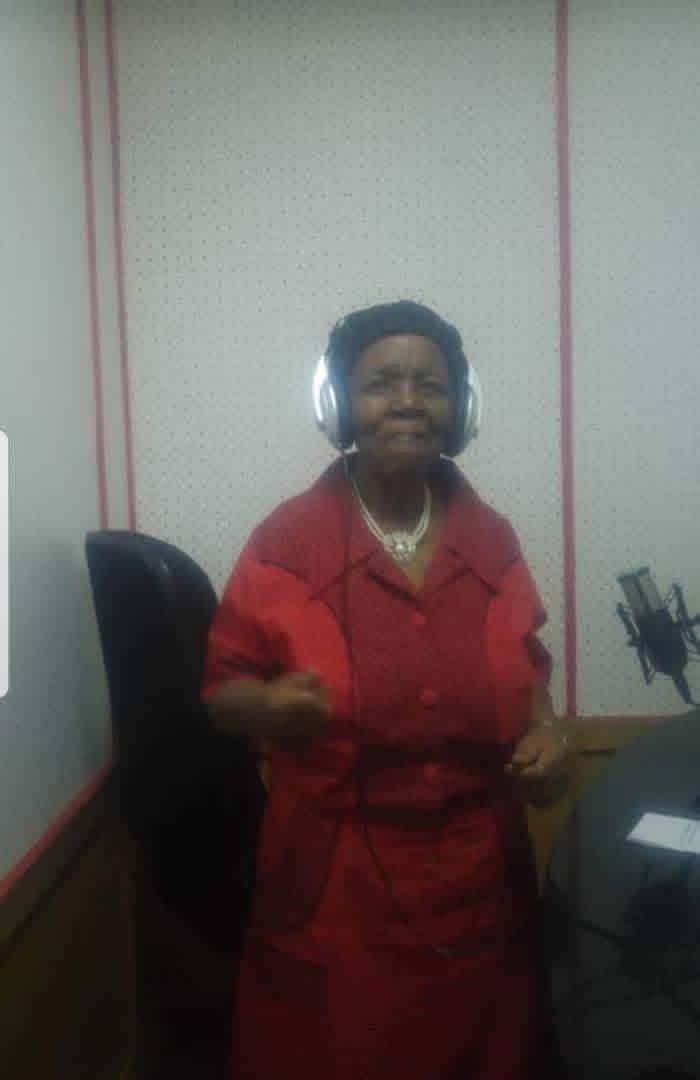
As Zimbabwe celebrates Women’s Month and prepares to mark Independence Day, the life of Abbie Dube Tebele stands as a reminder that nation-building is often carried out by individuals whose service stretches across generations. From the Rhodesia Broadcasting Corporation microphone to the mission fields of Mtshabezi, from church pews to community clinics, her century-long journey remains a testament to the enduring power of purpose.
Her voice may no longer echo across the airwaves, but it continues to resonate in the lives she touched — lighting the path for generations of Zimbabwean women to lead, to serve and to dream beyond the limits of their time.


 Online Reporter