Chronicle Editor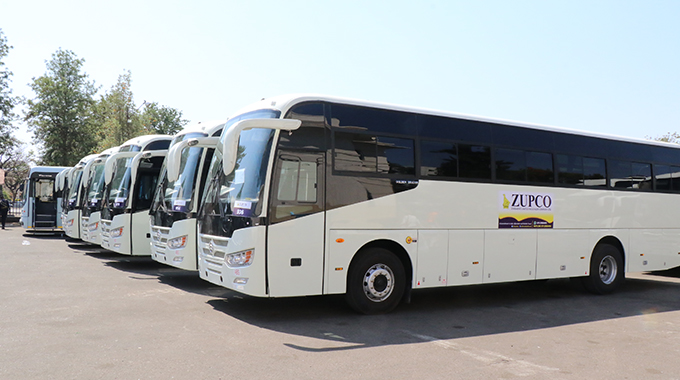
THE transport sector is a very important economic driver in any country. It drives the economy by ensuring that the commuting public — especially the working class, move from their homes to the various work stations in town and generally from one point to another. The need for it to be efficient can therefore never be over-emphasised.
The local urban transport system has, however, always been fraught with controversies, fears and drama with the commuting public calling for tight measures to deal with transport operators particularly private ones commonly known as imitshova and of late the mushrooming of illegal ones that have earned the moniker, mshikashikas.
While the imitshova are the traditional registered kombi operators, the mishikashika are a new kid on the block with the famous Honda Fit the favourite vehicle.
The bone of contention from the commuting public that has always emerged and spoken of in pitched voices is that public transport operators lack customer care and basic decorum in dealing with their clients who are the passengers. The commuters have always accused the transport operators of coming up with unpredictable fares, failure to stick to the routes, poor maintenance of vehicles, recklessness by the kombi crews, some of whom are said to be unlicensed.
Members of the public are obviously also not happy with constant harassment from the crews particularly by conductors commonly referred to as owindi who are fond of using obscene language on their passengers. As for the mshikashikas they have become epicentres of violence and criminality as time and again, some unsuspecting members of the public have lost a number of valuables as they have been victims of robberies after boarding them.
Against such a background it is the wish of the commuting public that there should be a proper regulated transport system where commuters would travel under safe and comfortable conditions.
Their cries have not fallen on deaf ears as the Government in the past few years has taken deliberate efforts to capacitate the country’s transport parastatal, the Zimbabwe United Passenger Company (Zupco), which operates both urban and long distance routes in the country.
Only on Friday, our sister paper, Chronicle reported that Zupco is set to procure 550 buses including electric models and has invited bids for fleet supply from domestic and international companies as it moves to boost the public transport system.
The move has been welcomed by commuters who view the adequate capacitation of Zupco as critical in enhancing smooth and cost-effective public transport across the country.
Bulawayo United Residents’ Association (Bura) chairperson, Cde Winos Dube was quoted as saying the development was a bold and welcome move by the Government as it will ease traffic congestion in cities as well as assist in stabilising transport fares.
“This has been long overdue and it’s a welcome move. We pray and hope this is not just talk. The buses will be affordable and will push these illegal death traps we call mshikashikas out of business.”
On his part, the Minister of Finance, Economic Development and Investment Promotion, Professor Mthuli Ncube, is on record as saying urban areas need a robust and efficient public transport system.
Announcing the 2024 National Budget, Prof Ncube said Treasury was committing to procure 1 000 buses over the next two years with the first batch of 250 expected to be delivered in the first quarter of this year.
Having large buses on our urban routes will go a long way in providing greater comfort to the commuting public and safety. However, that does not mean that our wish is to see the death of the kombi business. Our message to the kombi operators is that they need a lot of image cleaning to win back the confidence of the commuters.
They should school their crews of customer care services instead of treating people who are bringing bread on their tables like trash. It is our hope therefore that there is going to be an improvement in the provision of safe and reliable transport services mindful of the opening of schools that always come with increased pressure.


 Online Reporter