Online Reporter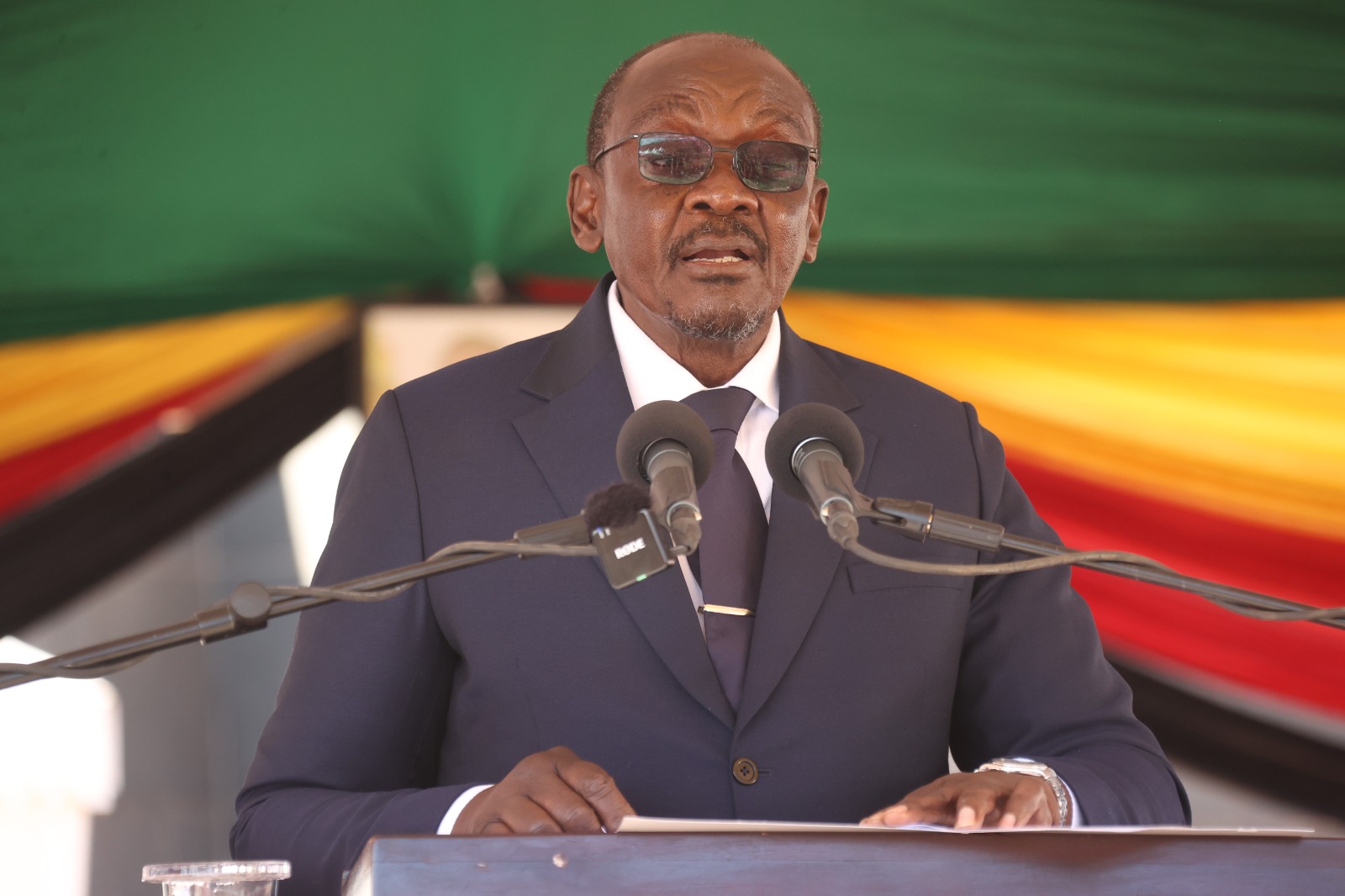
THE success of any nation is not measured solely by the policies it drafts, the infrastructure it builds or the ambitions it sets for the future. It is measured by the people entrusted with turning those plans into reality. In Zimbabwe, that responsibility rests heavily on the shoulders of civil servants, the often unsung men and women who ensure Government programmes move from paper to practice.
The recently concluded Inter-Ministerial Sports and Arts Festival in Gwanda offered more than entertainment and competition. It served as a timely reminder that civil servants remain the backbone of national development and are central to the country’s quest to achieve Vision 2030.
Vice President Kembo Mohadi was correct in emphasising that national aspirations can only be achieved through a diligent, healthy and productive public service. Government may formulate the most brilliant policies, but without capable and motivated personnel to implement them, those policies will remain little more than good intentions. Civil servants are the bridge between Government objectives and the ordinary citizen.
They are the teachers shaping future generations, the healthcare workers saving lives, the agricultural extension officers supporting food security and the administrators ensuring public services reach communities.
It is therefore encouraging that Government continues to recognise the importance of investing not only in systems and institutions but also in the people who make those systems work. The theme of this year’s festival, “Healthy Nation, Productive Workforce”, speaks directly to a reality that is increasingly understood across the world. Productivity and efficiency cannot be divorced from employee wellbeing. A workforce that is physically fit, mentally healthy and motivated is far more capable of delivering quality services than one weighed down by stress, burnout and poor morale.
The significance of the festival extends beyond sport and recreation. It promotes something equally important: unity within Government. Too often, ministries and departments can operate in silos, focusing narrowly on their own mandates. Yet national development requires collaboration. Roads, healthcare, education, agriculture, industry and public service delivery are interconnected. Progress in one area often depends on cooperation in another.
The interactions witnessed in Gwanda, where officials from different ministries competed, socialised and shared experiences, help build relationships that can translate into stronger cooperation long after the sporting contests have ended. Such connections strengthen the Whole-of-Government approach that Zimbabwe urgently needs to accelerate development.
Equally noteworthy is the inclusion of arts and culture alongside sport. Development is not merely about economic growth and infrastructure projects. It is also about preserving national identity, celebrating diversity and promoting social cohesion. The cultural performances showcased in Gwanda highlighted the richness of Zimbabwe’s heritage while fostering pride and unity among participants from different provinces and backgrounds.
The festival also delivered economic benefits to the host community. Visitors filled accommodation facilities, supported local businesses and brought activity to the town. This demonstrates how national events can contribute to local economic growth while fostering national integration.
As Zimbabwe pushes forward with the National Development Strategy 2 and Vision 2030, the country must continue creating opportunities that strengthen the public service. A motivated civil service is not a luxury but a necessity.
The quality of Government service delivery, investor confidence and national progress all depend on the competence, dedication and wellbeing of public servants.
The medals handed out in Gwanda will eventually gather dust in display cabinets. What should endure is the lesson the festival reinforced: that Zimbabwe’s development agenda ultimately depends on people.
When civil servants are healthy, united, motivated and empowered, the nation is better positioned to achieve its aspirations. They are not merely implementers of policy. They are the engine room of national development, and investing in them is investing in Zimbabwe’s future.