Online Reporter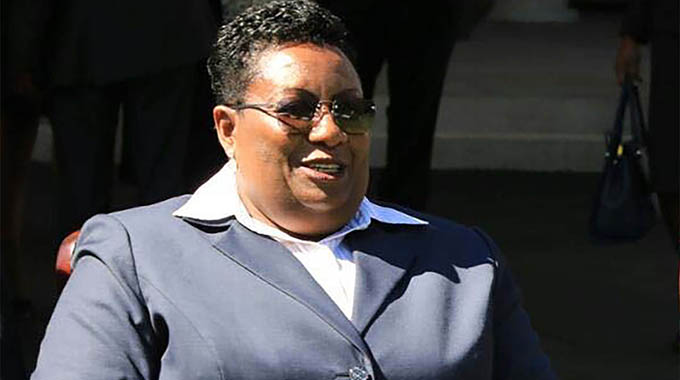
THE announcement by Prosecutor-General Loyce Matanda-Moyo that seven prosecutors are facing trial on corruption charges marks a watershed moment in Zimbabwe’s justice system.
It is a bold declaration that the era of impunity within the judiciary is being challenged, and that the fight against corruption is no longer selective or symbolic — it is substantive.
But the sheer number of prosecutors implicated must deeply worry the justice system. It suggests that corruption may not be isolated, but systemic — raising urgent questions about oversight, culture and accountability within prosecutorial ranks.
For decades, the public has watched with growing disillusionment as the justice system, once revered as the final arbiter of fairness, became increasingly tainted by allegations of bribery, favouritism and abuse of office.
The courts, which should serve as sanctuaries of truth and justice, have too often been perceived as transactional spaces where outcomes can be bought and manipulated. This perception has not only undermined public confidence but has also emboldened criminality and weakened the rule of law.
The decision to prosecute the seven prosecutors is not just about individual accountability — it is about institutional renewal. Prosecutors hold immense power in the justice chain. They decide who gets charged, what charges are laid and how cases are pursued.
When such power is corrupted, the entire legal process is compromised. Victims are denied justice, innocent people may be wrongfully prosecuted, and the guilty walk free. It is a betrayal of the very principles upon which the legal system is built.
What makes this development particularly significant is the message it sends: there are no sacred cows.
The fight against corruption must be blind to rank, role and reputation. Whether one is a junior clerk or a senior magistrate, the law must apply equally. This is the essence of justice — not just in theory, but in practice.
However, this moment must not be allowed to pass as a mere headline. It must mark the beginning of a deeper, more sustained reform process aimed at restoring integrity to Zimbabwe’s justice system.
Prosecuting corrupt officials is a necessary step, but it is not sufficient on its own. The system requires transformation at its core. Institutional transparency must be prioritised, with recruitment, promotion and disciplinary procedures conducted openly and based on merit.
The days of nepotism and interference must be brought to an end. Ethical training and oversight should be embedded into the professional development of all judicial officers and independent bodies must be empowered to investigate misconduct without fear or favour.
Equally important is the protection of whistle-blowers — those who dare to expose corruption must be shielded from retaliation, not punished for their courage. A culture of silence only serves to entrench wrongdoing.
Public engagement is also vital; citizens must be educated about their rights and the workings of the justice system so they can hold it accountable. An informed public is a powerful deterrent to abuse.
Finally, digital reforms should be embraced to enhance transparency and efficiency. Technology can be used to track case progress, manage evidence and monitor judicial decisions, reducing opportunities for manipulation and increasing public trust.
These reforms, taken together, can help rebuild a justice system that truly serves the people and upholds the rule of law.
The fight against corruption in the courts is not just a legal imperative — it is a moral one. It is about restoring faith in the institutions that underpin democracy and social order. It is about ensuring that justice is not a privilege for the powerful but a right for all.