Online Reporter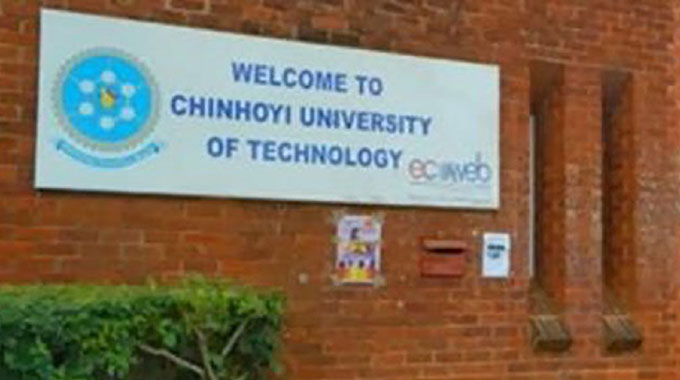
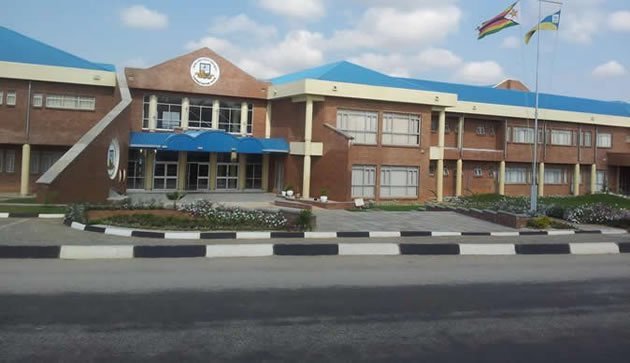
ZIMBABWE could soon celebrate another innovation breakthrough, by students from one of its institutions of higher learning. Chinhoyi University of Technology (CUT) has made headway in the development and possible mass production of antivenom. This development raises hope for a locally produced antivenom that will reduce snakebite deaths.
The antivenom being developed by CUT is a polyvalent (potent against many toxins) herbal-based formula, unlike the serum-based antivenom that is specific to a snake type. This herbal-based formula taps into Zimbabwe’s traditional heritage that evolved through history to treat snake bites.
The new antivenom will offer treatment to snake bites, to neutralise its effect whether the venom targets the nervous system (neurotoxic), blood and cardiovascular system (Haemotoxic), cells at the bite site (cytotoxic) and muscle tissue (myotoxic).

Extensive research is underway at CUT Innovation Hub to develop the antivenom, which at the moment is being imported from India and often runs out. The country is recording deaths from snake bites, which could be prevented with adequate stocks of antivenom.
Since January this year, the country has recorded nine deaths from snake bites and over 2 300 snake bites across the country.
CUT lecturer, Mr Takura Gozho, said preliminary results of the ongoing research were very positive and encouraging.
He said the herbal-based formula that the university is developing neutralises the different effects of venom thereby addressing the problem of administering a wrong type of antivenom.
“The challenge with available antivenom is that it is serum-based and responds to a specific snake bite, for instance, the antivenom for a black mamba cannot work for a puff adder bite. That is why health workers demand to know the type or description of the snake before administering the antivenom,” said Gozho.
He said administering the right antivenom is at the moment dependent on the health workers’ knowledge of the different types of snakes. The local production of antivenom will address the challenge of efficacy of imported antivenom and the high costs, which puts it beyond the ordinary people.
A single dose of imported antivenom costs around US$700 hence most victims of snake bites are forced to seek treatment at public health institutions where the antivenom is affordable.
What is happening at our universities and colleges is very encouraging because they are responding to the Government’s call for them to produce tangible goods and services that address challenges facing communities.
At the just-ended Zimbabwe International Trade Fair (ZITF), it was announced that the Midlands State University (MSU), working jointly with the Ministry of Transport and Infrastructural Development and the Research Council of Zimbabwe (RCZ) had produced a coal tar for road construction, which is a substitute for bitumen, which the country is importing.
The tar, which is made of crude oil from Hwange coking ovens and recycled chrysotile from Shabanie-Mashava mines costs U$0,70 per litre, compared to US$2,50 per litre for imported bitumen. This is a confirmation that our institutions of higher learning are now churning out graduates that meet societal demands and this is as it should be.