Online Reporter
The recent findings from Dr Loveness Ndebele’s study, presented during a mental health awareness campaign in Bulawayo, have unveiled a serious public health crisis that is gripping the region.
With one in three men and one in five women reported as drug abusers, the implications of these statistics extend far beyond individual health, calling into question the very fabric of our communities.
The sheer prevalence of substance abuse in Bulawayo is alarming. The study, which sampled 1 000 youths, indicates that this is not merely a problem of a few individuals but a widespread issue affecting various demographic groups across gender and religion.
The fact that 63,5 percent of participants identified as Christians from traditional denominations such as Baptist and Roman Catholic is particularly striking.
This highlights a significant disconnect between religious affiliation and substance use, suggesting that no one is immune to this crisis, regardless of their moral or spiritual convictions.
Dr Ndebele’s insights into the misuse of not just illicit drugs but also alcohol and high-caffeine drinks are critical.
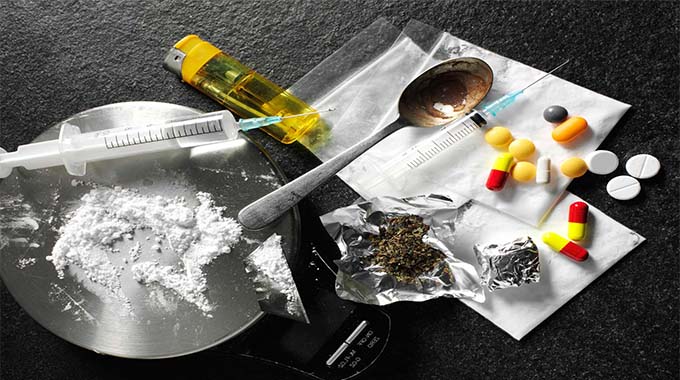
Many may underestimate the impact of these substances, believing that because they are legal, they pose no real threat.
However, the reality is that alcohol can be just as damaging as illicit drugs, contributing to cognitive decline and emotional instability.
It is essential to broaden our understanding of substance abuse to include these often-overlooked substances.
The gender disparities highlighted in the study raise important questions about societal norms and pressures. While the statistics indicate a higher rate of drug abuse among men, the fact that one in five women is also affected is particularly concerning.
This suggests that women may be increasingly turning to substances as coping mechanisms in a society that often places unique pressures on them — whether through family dynamics, professional expectations, or societal roles.
Dr Ndebele’s comments on the growing misuse of energy drinks among students is also a critical point. Young people, under immense pressure to perform academically, are turning to high-caffeine products, potentially jeopardising their mental health.
This cycle of caffeine abuse leading to disrupted sleep patterns and subsequent cognitive decline is a clear indication that solutions must address these underlying societal pressures.
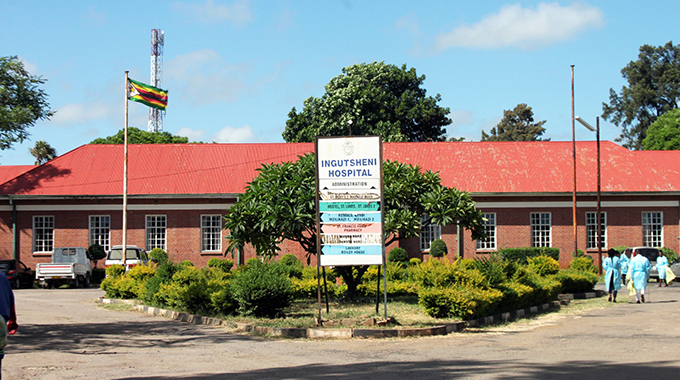
At the forefront of addressing this crisis is Ingutsheni Central Hospital, which is grappling with an overwhelming influx of patients suffering from substance-related disorders. Dr Nemache Mawere’s assertion that 70 to 80 percent of admissions are related to substance abuse paints a stark picture of the demand for mental health services in Zimbabwe.
The hospital’s status as the only accessible facility for treatment underscores the urgent need for more resources and support systems to combat this crisis effectively.
While the Government’s crackdown on drug peddlers and the proposed establishment of the Zimbabwe Drug and Substance Agency are commendable steps, they must be part of a larger, co-ordinated effort. This includes education, community-based interventions, and rehabilitation programmes that not only address the symptoms of substance abuse but also the root causes.
The alarming rise in intravenous drug use is particularly concerning. This trend could lead to a public health emergency, with implications for infectious diseases such as HIV and hepatitis. To prevent this from escalating, urgent action is required. Community outreach, education, and accessible treatment options must be prioritized to deter individuals from engaging in such high-risk behaviours.
Moreover, it’s essential to foster an environment where discussing mental health and substance abuse is destigmatised. Many individuals may feel ashamed to seek help due to societal judgments, particularly within conservative religious communities. Encouraging open dialogues in these spaces can pave the way for greater awareness and understanding of the issues at hand.
Bulawayo’s drug crisis is a complex issue that requires a multifaceted approach. The findings of Dr. Ndebele’s study serve as a clarion call for immediate action.
By understanding the demographic trends, addressing the societal pressures leading to substance abuse, and enhancing mental health services, we can begin to turn the tide on this crisis.
We must recognise that substance abuse is not merely a personal failing but a widespread societal issue that affects all facets of life.
Only through collective effort — spanning families, communities, and Government — can we hope to create a healthier, more resilient Bulawayo for future generations. The time for action is now; the stakes are too high to ignore this urgent crisis any longer.