Online Reporter
THE tragic case of a man who killed his uncle, only to later be “saved” by his deafness, is one that forces society to confront uncomfortable but necessary questions about justice, disability, and the complexities of human behaviour.
It is a story that does not lend itself to easy conclusions, because it sits at the intersection of crime, vulnerability, and the limits of our legal and social systems.
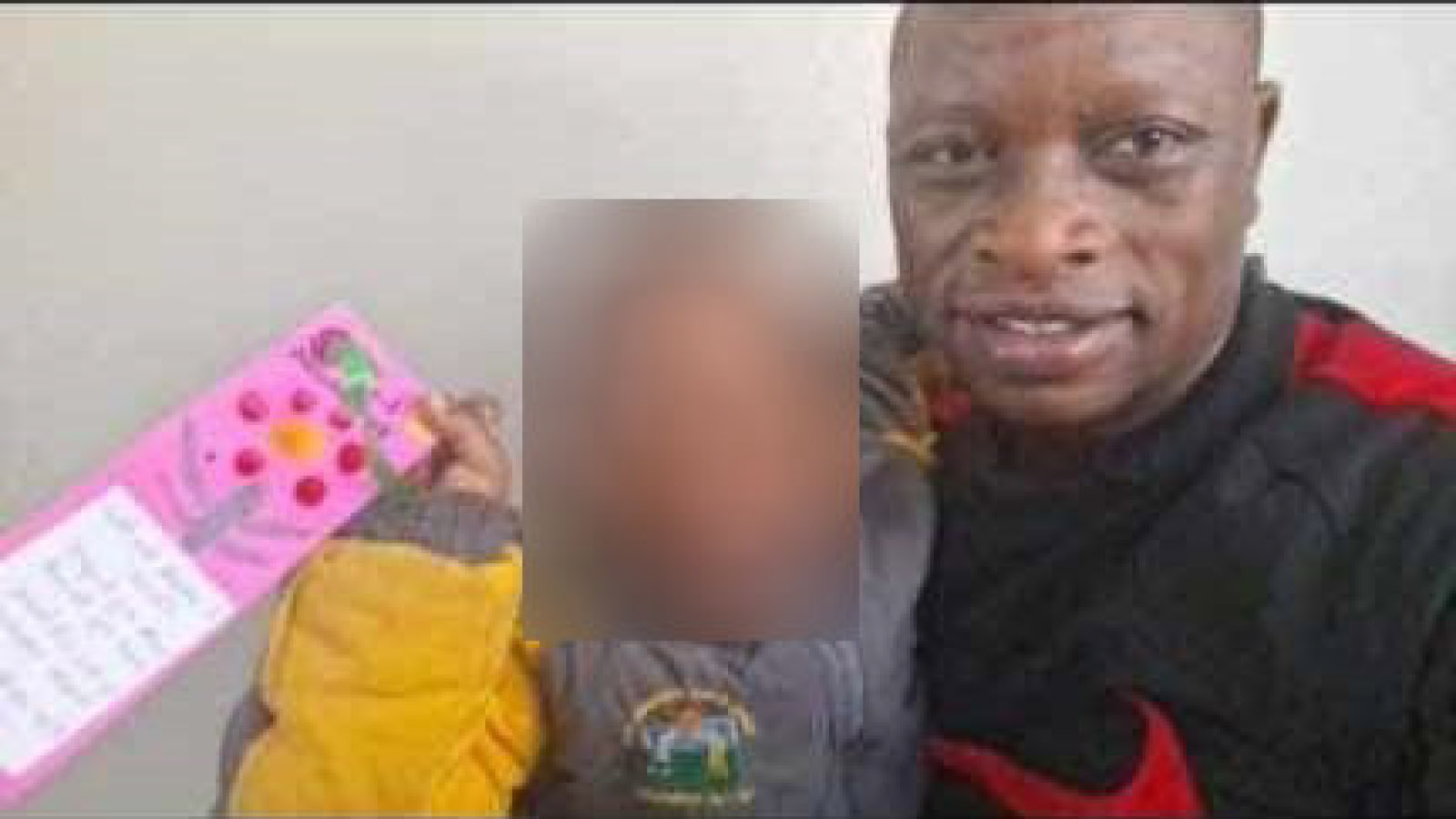
Fanuel Masora, a deaf and mute, attacked and killed his 71-year-old uncle, Magijo Masora, in January 2024.
He was charged with murder but was cleared of the charge and ended up being convicted of culpable homicide. At the heart of the matter is a violent act that cannot be ignored or excused.
Taking a life is one of the gravest offences any person can commit, and the pain inflicted on the victim’s family is irreversible.
The uncle in this case lost his life in circumstances that involved anger, conflict, or breakdowns in communication.
That loss deserves recognition and respect, and it is important that conversations around the case do not overshadow the victim or reduce the seriousness of the crime.
However, what made this case particularly complex is the role of the perpetrator’s deafness. Deafness is not simply a physical condition.
It can profoundly affect how individuals interact with the world, especially in societies where support systems are limited.
Communication barriers can lead to misunderstandings, frustration, isolation, and, in some cases, heightened tensions in already volatile situations.
If the accused was unable to fully hear, process, or communicate during the events leading up to the crime, it raised legitimate questions about intent, awareness, and responsibility.
The legal system is often designed with a “one-size-fits-all” approach, yet cases like this expose its limitations.
When a person with a disability is involved, particularly one that affects communication, courts must tread carefully.
Was the accused fully aware of his actions? Did he understand the consequences?
Was there adequate interpretation or support during investigations and trial proceedings? These are not technicalities—they are fundamental to ensuring justice is both fair and humane.
In some cases, a person’s disability can mitigate their culpability, not because the law excuses the crime, but because it recognises that circumstances may have impaired judgment or understanding.
It is not that deafness justified the act, but rather that it may have influenced how the law assessed his level of responsibility or the punishment imposed.
At the same time, this case should serve as a wake-up call about how society treats people with disabilities.
Too often, individuals who are deaf or hard of hearing are left without proper access to education, mental health services, and conflict-resolution tools.
They may struggle to express emotions or seek help, leading to situations where tensions escalate unnecessarily.
Preventing such tragedies requires investment in inclusive systems—sign language education, community awareness, and accessible support services.
It also highlights the importance of family dynamics. Conflicts within families can become dangerous when communication breaks down.