Vusumuzi Dube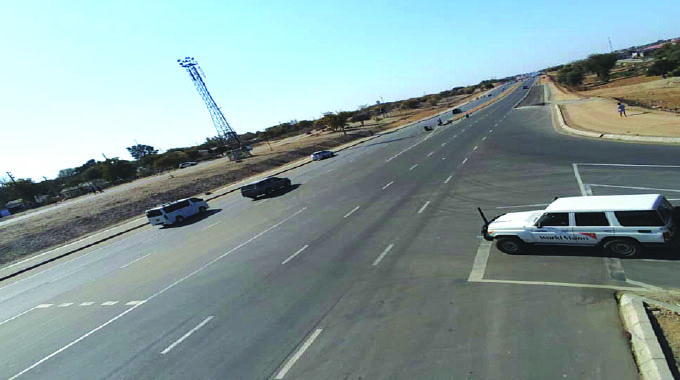
SINCE its introduction in 2018, the devolution fund has transformed infrastructure and livelihoods across the country in a dramatic way.
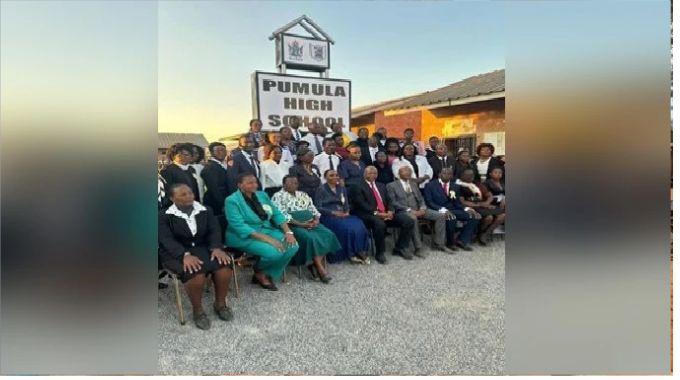
Thousands of schools, clinics, roads, bridges, irrigation schemes and the like are being built. As a result, the public’s access to health care and education has been boosted.
Roads are generally now navigable, while food security has been enhanced.
Because the devolution programme is a bottom-up initiative, communities have been empowered to determine the projects they want to be worked on in their areas.
They are involved in their implementation as well, instead of the old, paternalistic and disempowering model under which bureaucrats prioritised projects that had to be done, where and when.
This year, the Government will disburse ZiG14bn, equivalent to $518m, to all local authorities across the country under the devolution agenda.
About ZiG29bn ($926m) and ZiG36bn ($1,3bn) are earmarked for next year and 2028, respectively.
Harare will get ZiG669m ($24,8m) this year, Bulawayo (ZiG153m/ $5,7m), Manicaland (ZiG1,4bn/$51,9m), Mashonaland Central (ZiG1,4bn/$51,9m), Mashonaland East (ZiG1,4bn/$51,9m), Mashonaland West (ZiG1,8b/$66,7m), Matabeleland North, Masvingo and Matabeleland South (ZiG1,2bn/$44,4m each), Midlands (ZiG1,7bn/$63m).
This year’s allocation raises national spending on devolution to 4,83 percent of total Government revenue, just below the five percent threshold that the constitution mandates.
These are big sums of money which will keep the momentum going, if, as has been the case over the past eight years and as we expect, the money is used efficiently.
Our people and their leaderships at the grassroots must continue taking the devolution programme as theirs; they must continue driving it, for it exists to transform their lives and areas infrastructurally, socially and commercially.
Local authorities must play their role in linking the grassroots to the central government and vice versa.
They must come up with timely reports of what is happening on the ground, the sums of money used, and how much more of their budgets must be disbursed.
Indeed, the devolution fund has performed wonders across the country, lifting some pressure off council budgets.
However, councils must appreciate that the fund is not meant to supplant their budgets and other normal funding options.
Therefore, they must continue working with funding partners such as banks, non-governmental organisations and others for support while looking to their internal financing mechanisms as well to implement projects.
The devolution fund must be one of many revenue streams that keep local authorities going.
At the Central Government level, we note the consistency in disbursements since 2018 and the commitment as enunciated in the Treasury’s 2026 Infrastructure Investment Programme, to increase the allocations over the next two years.
That is welcome, and we hope that by 2028, the total allocations will have reached the five percent of Government revenue that the Constitution mandates must be channelled into the devolution fund.



 Online Reporter