


 peter
peter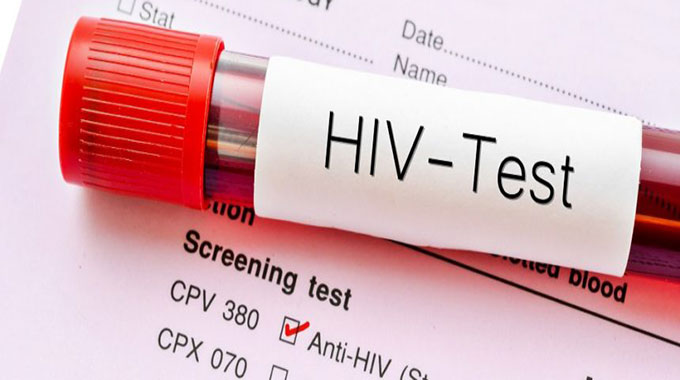
THE United Nations, through UNaids, says “the world can end Aids, with communities leading the way. Organisations of communities living with, at risk of, or affected by HIV are the frontline of progress in the HIV response. Communities connect people with person-centred public health services, build trust, innovate, monitor implementation of policies and services, and hold providers accountable.”
As the world marked World Aids Day on Friday, the global organisation urged authorities across the world to continue giving leadership in the fight against HIV/ Aids. The fight against the pandemic can be won if funding is availed to capacitate education and treatment programmes.
“This World Aids Day is more than a celebration of the achievements of communities; it is a call to action to enable and support communities in their leadership roles. World Aids Day 2023 will highlight that to unleash the full potential of community leadership to enable the end of Aids: Communities’ leadership roles need to be made core in all HIV plans and programmes and in their formulation, budgeting, implementation, monitoring and evaluation. Nothing about us without us. Communities’ leadership roles need to be fully and reliably funded to enable the required scale up, and be properly supported and remunerated.”
The good news in Zimbabwe is that milestones have been achieved in the fight against HIV/ Aids. In a speech to mark World Aids Day, President Mnangagwa said the country has managed to contain the pandemic and achieve the 95-95-95 Joint United Nations Programme (UNaids) targets on HIV/Aids, resulting in a reduction in infections and deaths. In addition, 99 percent of the 1,3 million HIV-positive people in the country are getting treatment.

“In December 2020, UNaids released a new set of ambitious targets calling for 95 percent of all people living with HIV to know their HIV status, 95 percent of all people with diagnosed HIV infection to receive sustained antiretroviral therapy, and 95 percent of all people receiving antiretroviral therapy to have viral suppression by 2025. Adopted by United Nations Member states in June 2021 as part of the new Political Declaration on HIV and Aids, these targets, combined with ambitious primary prevention targets and focused attention to supporting enablers, aim to bridge inequalities in treatment coverage and outcomes and accelerate HIV incidence reductions by focusing on progress in all sub-populations, age groups and geographic settings,” according to journals.plos.org.
President Mnangagwa also urged everyone to remain diligent and ensure that the virus is eradicated, adding that the country has been one of the best performers in the fight against HIV/Aids in the region and beyond.
“Over the past 10 years, Zimbabwe recorded the highest decline of 78 percent in the new infections in Eastern and Southern Africa. However, we should never be complacent, as doing so, may lead to resurgence. We have to redouble our efforts, mop up new infections and sharpen our focus on most at-risk groups. The enthusiasm and participation during the countrywide community engagement campaigns being undertaken by the First Lady, Amai Mnangagwa, complemented by other Community-Based Organisations, is encouraging.
The key messages on the importance of utilising HIV prevention services along with the importance of strong families, morally upright young people and an empowered society, remain critical to our intervention strategies. In addition to the progress we have recorded in HIV prevention, our country has increased the Anti-Retroviral Therapy coverage to 99 percent of the 1,3 million HIV-positive people,” said President Mnangagwa.
We congratulate the Government and the Ministry of Health and Child Care for a sterling job, together with the National Aids Council, which has been steadfast in the fight against the pandemic. Furthermore, we encourage fellow Zimbabweans to take heed of the message from the President to never let the guard down in the fight against HIV/Aids.


 Online Reporter