Chronicle Editor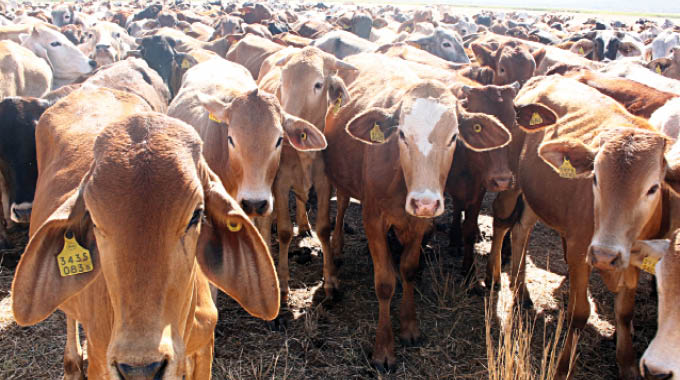
THE southern part of the country appears, as forecast in August, headed for an El Nino-induced below-normal to normal rainfall system.
The wet season started fairly well, but lately, the rains have been largely little and scattered. If the situation persists, which we pray it doesn’t, the negative forecast might come to pass. This suggests crop failure, dried up watering holes and inadequate pasture. Families will need to secure food out of the households for them to get by and livestock will likely suffer hunger and need feed supplementation.
Speaking about livestock, the likelihood of poor pastures this year reminds us once again the need for farmers in Masvingo, Midlands and Matabeleland provinces to rely less on pasture and move to grow fodder to feed their animals in the not-so-rainy days.
We, yesterday, reported on a prominent Matabeleland South farmer, Mr Obert Chinhamo’s cattle business at Esigodini and the fodder production arm that anchors it.
“Europe and America have severe weather conditions yet there is massive beef production,” he told us.
“It’s all because they have food bunkers for their livestock but back here, we still rely on our livestock going food hunting in the bush for survival. As a country, we can ensure food security for our livestock by taking fodder production seriously. It is a matter of fact, cheaper to produce food for our livestock than to buy from the shops.”
He added: “Whites never bought feed for their cattle, they produced their own and made money from livestock but we are doing the opposite. We do not have to lose our livestock to drought. I can safely declare that my cattle are safe from the El Nino effect because I have enough food from the fodder production project, something, that every livestock farmer, commercial or communal can and must do. For our communal farmers, they can apportion a small piece of their food crop-land and grow fodder for their livestock.”
Mr Chinhamo, a former commercial producer who more recently focused on Simmental stud breeding, has 50 hectares of land under various fodder crops which he uses to feed his herd, supplementing the range. His is, indeed a showpiece enterprise, which has hosted numerous delegations including ministers wishing to learn from it.
Our farmers, especially the communal ones, must learn from him. They, as he advises, must set aside portions of their fields to grow fodder to feed their animals when a drought hits pastures as might happen this year.
If farmers cannot do that individually, they can pool their resources together as a community to grow the supplementary feed, most preferably under irrigation.
We are particularly keen to get this message across to communal farmers because they produce up to 95 percent of locally-consumed beef and their animals feed exclusively on the veld. To these farmers, cattle are much more than just a symbol of wealth.



 Online Reporter