


 Vusumuzi Dube
THE year 2022 has probably witnessed a surge in blood-chilling stories of violence against women and girls as reported in the media.
As the 16 Days of Activism Against Gender Based Violence (GBV) came to an end yesterday, efforts to fight the scourge should not grind to a halt.

Now that we have heard that violence against women and girls is a vice that must be nipped in the bud, focus should be turned on what should the nation and the world do to protect these vulnerable groups.
As Zimbabwe continues to grapple with the socio-economic effects of the scourge of GBV, the time has come to stop the “cliches” and put in place solid and achievable solutions.
While public pronouncements by the authorities are welcome and instructive, some social misfits continue with the wayward ways as evidenced by the continued attacks on women and sadly hapless children.
Fresh in the minds of people is the case of the an eight-year-old girl from Bindura who was raped and impregnated by a gang of merciless boys. This came hot on the heels of the case of the nine-year-old girl from Tsholotsho who was violated by a 13-year-old relative and the two produced a child. While it has been passed off as amatope/mahumbwe where children imitate adult roles of being a mother or a father, the nation should not be blinded to the fact that a violation took place and inconvenienced a whole future of the girl.

It is heartbreaking to note that young children who are always assumed to be innocent and chaste have started exploring each other sexually at a time where they are supposed to be protecting each other as siblings.
While the law is expected to guide how such fragile matters like that of the Tsholotsho girl and the 13-year-old father of the baby will pan out, sexual rights and health rights need to be cascaded further into rural communities where the assumption is that the children there do not need these services.
Warnings from authorities around reprimanding perpetrators of GBV must be turned into concrete, legally enforceable policies. The 15-year jail sentence for rapists and perpetrators of sexual violence should be implemented.
These must graduate from being threats into legal instruments to assist the judiciary in curbing GBV.
Women and girls are dying at the hands of their intimate partners and we hasten to say one death is too many to fathom. Without sounding alarmist, cases of GBV may rise as the festive season nears with the same old stories that are an extension of migration problems surfacing.

Spouses are separated for lengthy periods and violence is the norm when our brothers across the Limpopo River return home to find their partners pregnant or involved in extramarital affairs. The media is always awash with stories of GBV where partners or the people they find their partners having affairs with are harmed.
It is important for the Government and all stakeholders to send a clear message to would be perpetrators that our society frowns at such deplorable behaviour. However, we must in our fight to end GBV remain alive to the possible abuse by “victims.”
Whatever legal infrastructure that will be put in place must also protect those that may find themselves in a web of half-truths as a result of concocted allegations and claims by the victims. Our police and justice system must not throw caution to the wind but investigate each case thoroughly and also make use of science to get to the bottom of the cases.

In the case of the nine-year-old Tsholotsho girl, DNA, exonerated her father who had been initially picked up as being the sole suspect in the matter, accused of having a hand in her abuse.
We call upon the Government to capacitate police’s Forensic Science Laboratory to enable them to collect as much evidence as possible from survivors of GBV. Reports have been made of the police not having rape kits leading to some cases growing short legs as evidence linking perpetrators to crimes cannot be collected and used in the court of law.
Commendable is the setting up One Stop Centres around the country in a bid to ensure timeous reportage and access to treatment for victims of GBV.
The centres house a police Victim Friendly Unit office, a medical officer, legal officers and counselling services. It is estimated that one in three women are victims of GBV in Zimbabwe making such services vital.
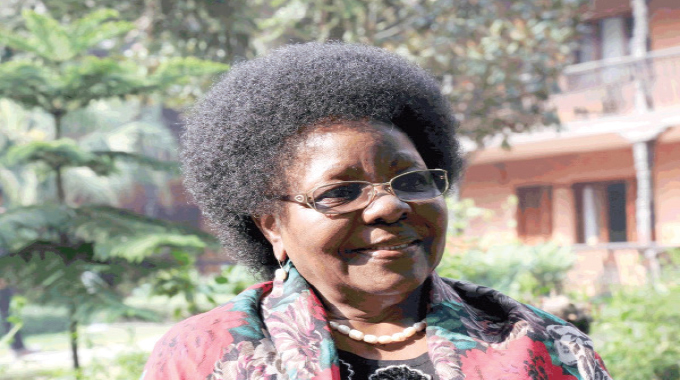
Minister of Women Affairs, Community, Small and Medium Enterprise Development Dr Sithembiso Nyoni said play centres for children were also available in case mothers bring their children when they flee from abusive relationships.
Dr Nyoni said she hopes these centers were not anyone’s home urging families to live together in harmony and solve the problems they have without harming each other. The 16 days must move to 365 days of activism against GBV as GBV does not occur in these 16 days alone but every other day.



 Bongani Ndlovu
 Online Reporter