Online Reporter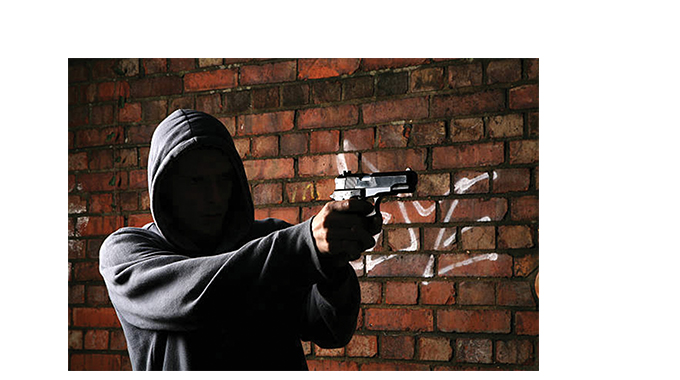
THERE is something deeply disturbing about the latest wave of violent incidents reported in and around Bulawayo.
Within days, armed robbers stormed a Cowdray Park home, five armed men raided an aluminium company, and a woman in Tegela was held at gunpoint and sexually assaulted during a robbery.
Then, in Hope Fountain, a family dispute turned into an axe attack.
Different places. Different circumstances. Different weapons.
But one frightening message: violence is creeping too close to home.
In Cowdray Park, a routine check on a parked Honda Fit turned into a nightmare when a man was confronted by two armed suspects, forced back into his home and made to lie down with two other occupants.
The robbers allegedly threatened to shoot them before ransacking the house and escaping with cash, phones and a sound bar.
The following day, an aluminium company was invaded by five armed men who pretended to be customers before producing pistols, tying up employees and stealing more than US$16 000 and 800 Chinese yuan.
And then came the Tegela case.
A 23-year-old woman was threatened at gunpoint, forced into a bedroom and sexually assaulted during the robbery attempt. The alleged attacker fled after she told him she was living with a sexually transmitted infection and taking antiretroviral medication. These are not just statistics for a police report.
Behind every case are terrified victims, traumatised families and communities wondering whether their homes and workplaces are still safe.
The most worrying feature is the apparent boldness of these criminals. The aluminium company suspects entered in broad daylight. The Tegela incident allegedly happened at about 2pm. This should destroy the comforting belief that robberies only happen under the cover of darkness.
Crime does not keep office hours.
That means security cannot either.
Businesses must examine their security systems, access controls, cash-handling procedures, CCTV protection and staff awareness. Keeping large amounts of cash at business premises is an invitation criminals may exploit.
Ordinary households also need to remain alert.
Know who is entering your home. Be cautious when strangers approach claiming to need assistance or pretending to be customers. Report suspicious activity. And where possible, improve lighting, gates, locks and other security measures.
However, security is not only about walls, cameras and alarms.
It is also about refusing to turn disagreements into violence.
The Hope Fountain axe case is a painful reminder that danger does not always arrive wearing a balaclava and carrying a pistol. Sometimes it starts with people who know each other, a disagreement and alcohol.
One argument escalated into an axe attack that could have ended in death.
Police spokesperson Inspector Nomalanga Msebele was right to urge people to seek “lawful and peaceful means” of resolving misunderstandings.
That message needs to be shouted from rooftops.
We cannot build safer communities while accepting violence as the first answer to anger.
At the same time, citizens must support law enforcement by providing information that can help bring suspects to justice. Inspector Msebele has repeatedly appealed for members of the public with information to report it to the nearest police station.
That cooperation matters, so does prevention.
Bulawayo must not wait for more victims before taking these incidents seriously.
Residents, businesses, community leaders, security companies and police must work together to make the city less attractive to criminals.
We should never become numb to stories of guns at homes, workers tied up at their workplaces, women terrorised in their own houses or family arguments ending in bloodshed.
Violence is not normal. Fear is not normal. And surrendering our communities to criminals is not an option.
The message from these cases should therefore be: stay alert, strengthen security, report suspicious activity, walk away from violence, and protect one another.
The safest Bulawayo will not be built by police alone.
It will be built by a community that refuses to look the other way.