RURAL industrialisation, as a practical policy, has to be built on processing and converting what farmers grow or can grow in the area where a factory or industrial plant is located and preferably also provide a foundation market for at least some of the primary products.
It becomes important for farmers and their processor to form tight links, the farmers growing precisely the varieties of the desired crops and in the required tonnages that the processor wants and the processor providing a lot of technical back up to the farmers.
This is how a lot of people can make reasonable incomes, and significantly better incomes, than if the farmers are just delivering crops to urban depots and the owner of the factory or processing plant is buying the same produce from those depots.
It is the close, tight and mutually beneficial relationship that creates the extra value.
A long-established example comes from northern France over the last few centuries where a low-value wine was produced until someone found that it was a good base for a sparkling wine once the technologies developed. Farmers and wineries in Champagne region now have one of the tightest possible relationships growing just three varieties of grape and selling into a guaranteed market and then seeing a very high-value luxury product shipped around the world, with everyone in the area taking a cut.
The other type of rural industrialisation is just a large addition of a refinery to a big mine, adding value and extra jobs at the mine. It is the agro-processing industry that makes everyone in an area better off.
The Second Republic has been pushing both forms of rural industrialisation, although mineral beneficiation is correctly seen as a mining policy to add value to our mineral wealth before it is sold while the agro-processing rural industry is seen as one of the drivers of rural development, increasing farm incomes as well as national wealth.
The Ministry of Higher and Tertiary Education, Innovation, Science and Technology Development has been developing this rural agro-industry. The first was that new plant in Rutenga processing the local wild fruit, mapfura or marula, once left largely to rot on the ground, but now being harvested and brought to market by local farmers, increasing their income while the rural factory increases the range of products made and sold in Zimbabwe.
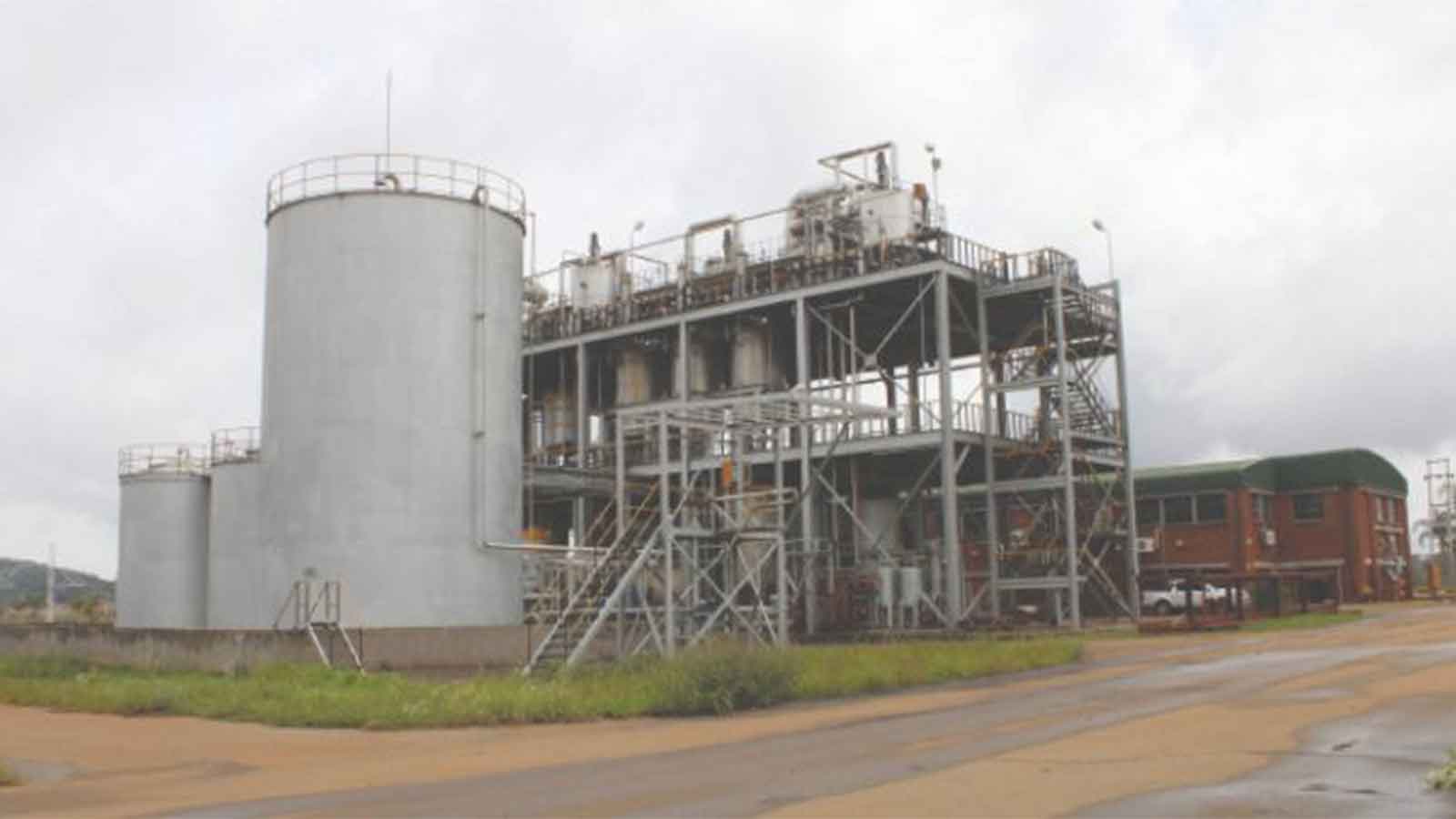
Now we have the Finealt Bioeconomy Industrial Park in Mutoko due to be commissioned by President Mnangagwa this week. Finealt is a company set up and owned by the Ministry, but as a company has enough independence to give it the required flexibility as well as a legal status for bank accounts and other purposes.
Quite a lot of work has been done already at the Mutoko site and a lot of what will be commissioned this week is the consolidation and expansion of all the pilot plants that were set up to test the waters and make sure that the local farmers could deliver the raw materials. The President will be commissioning a viable success, rather than a dream, and that fits into the new Zimbabwean policy of celebrating things on the ground, not on sheets of paper in a plan.
The core is a pair of processing plants, one for sunflower seed producing cooking oil and one for jatropha and other oils seen producing biodiesel. A third plant takes some of the sunflower oil and the glycerine waste from the biodiesel plant to make soap, good quality soap. A fourth plant is now being set up to convert sunflower waste into a reasonable stock-feed with the customers likely to be centred on the local chicken and cattle farmers.
One extra source of income and one reason for affordable pricing of local products is removing most of the transport costs until the high-value products are shipped out. In a sense, it is a bit like the mineral policy, except that the local beneficiation is very local and immediately benefits the producers of what economists call feedstock and what most people think of as the extra local crops.
The whole complex has to be integrated into the farming communities to even work, let alone be viable, but the farmers get a new double source of guaranteed income and some useful by-products, so this integration is a workable development path that raises everyone’s income and develops the area as value is added at the farm end, rather than the city end.
This is the primary benefit. There are secondary national benefits. More local cooking oil and soap will cut imports of these products, since Zimbabwe is not self-sufficient.
Biodiesel, like petrol ethanol blends, cuts imports and makes Zimbabwe more fuel secure, with the substitution of some fossil fuels with biofuels also helping to reduce our carbon footprint, an increasingly important point in the warming world.
The sponsoring ministry sees the industrial park as a template for other areas, although presumably the sort of crops that the local farmers will grow or harvest will depend on the climate and location of each plant. But the central idea of a swathe of modest-sized processing centres across the agricultural belts is the essential driver of rural development, bringing in whole communities of rural people and making them better off.